Hoya verticillata var. verticillata
Summary
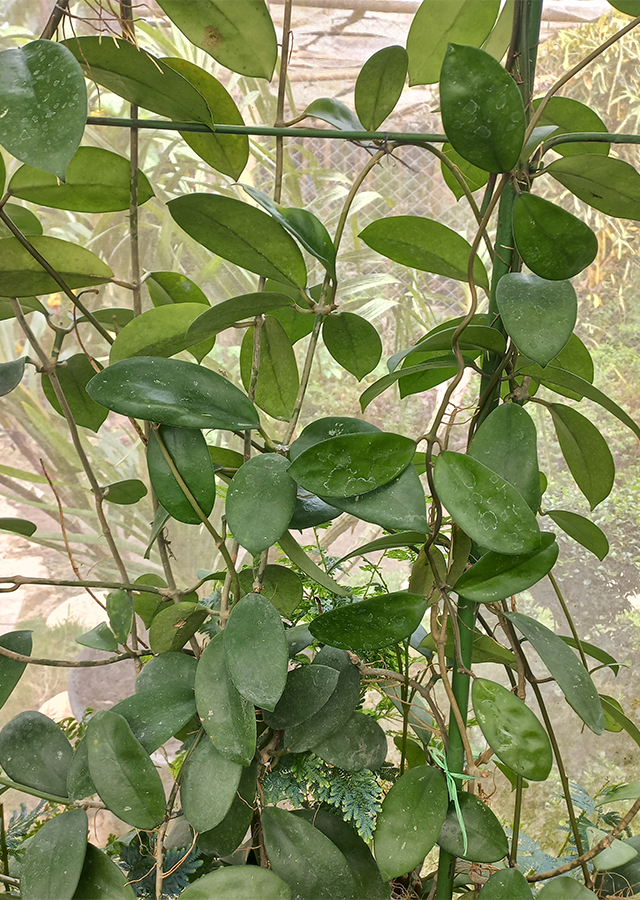
Kapal-kapal (Hoya verticillata var. verticillata) is an epiphytic climbing plant from the Apocynaceae family distributed from Brunei to Thailand. Its clustered, strongly fragrant flowers make it a favorite ornamental. The Chakma people traditionally use its leaf extract to relieve body pain and fever, while the Rema-Kalenga community uses it for jaundice.
Agroecology
Kapal-kapal can be found growing especially in dipterocarp forest as an epiphyte on tree branches or on rocks, vertical cliffs, mossy mountain peaks, coastlines, mangrove forest, and along riverbanks or lakes, at elevations from sea level up to about 900 m asl. This species prefers fairly humid areas and a partially shaded position, and requires high temperatures, with the lowest winter temperature at 15°C, and regular watering in summer.
Morphology
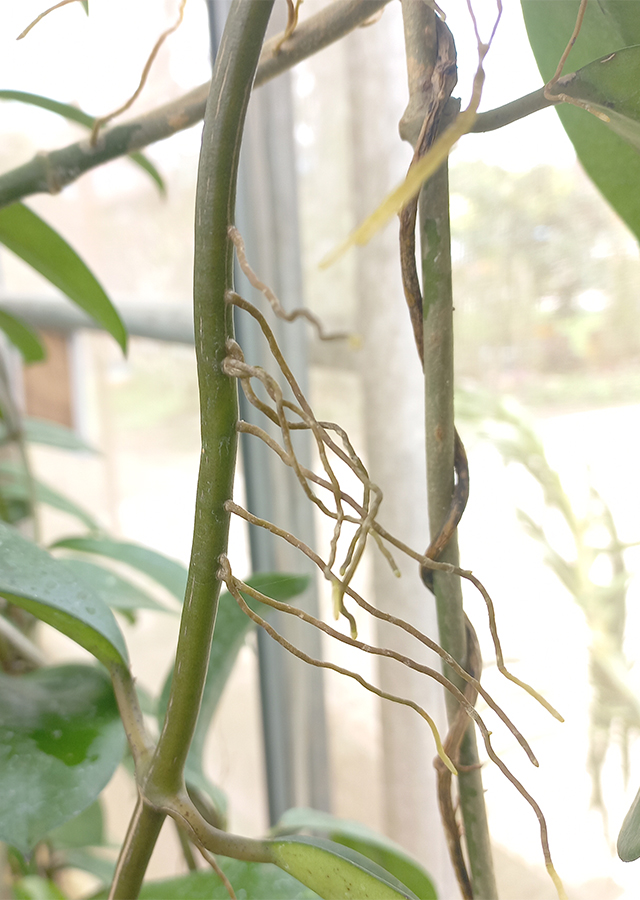
- Stem sturdy or slender, hairless, with tendrils.
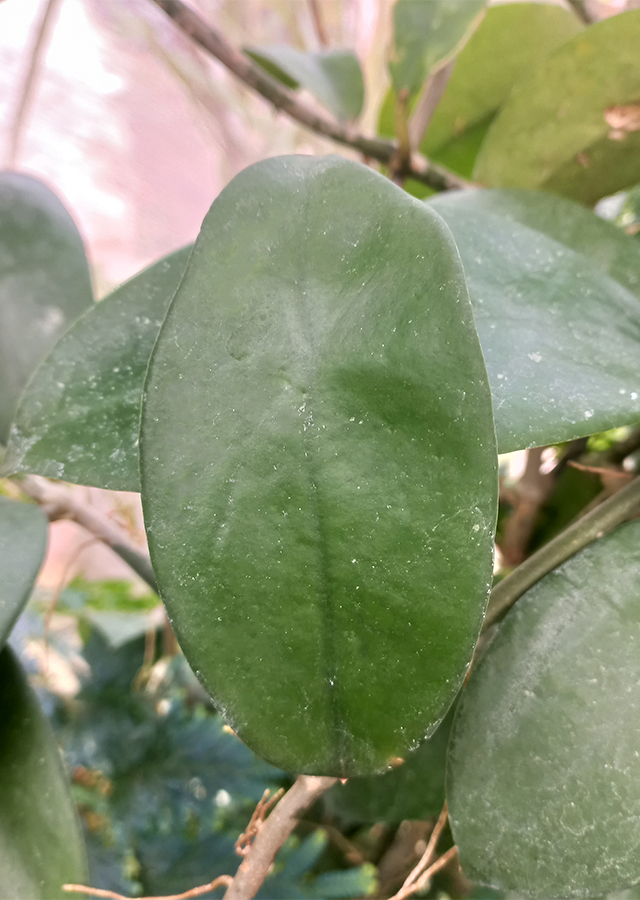
- Leaves opposite, highly variable in size and shape, ovate-elliptic to oblong, with a tapering apex and entire margins, thick, fleshy, hairless, green.
- Flowers have a creamy white corolla with 5 triangular-ovate lobes, with a pointed tip, margins entire and curving backward (revolute), folding inward while still in bud, with a pink color at the base. There is an additional crown or corona located inside the corolla ring, star-shaped, compact and glossy with a thick waxy coating. Inflorescence an umbel in the leaf axil, clustered, producing up to 40 flowers. The flowers give off a strong aroma.
- Fruit a follicle, 10-18 cm long and 0.4 cm in diameter, containing many seeds.
- Seeds more than 20 per fruit, needle-shaped, equipped with fine hairs that aid wind dispersal.
Cultivation
Propagation is generative (seed) and vegetative (stem cuttings).
Chemical Content
Triterpenic 3,4-seco acid 3,4-secolup-20(29)-en-3-oic acid, lupeol, lupenone, tannins, flavonoids, saponins, androstanoids, sesquiterpenes, phenolic compounds, dihydrocanaric acid.
Benefits
Reduces body pain and lowers fever, treats jaundice, constipation, diabetes. Has antioxidant, antirheumatic, antibacterial, antinociceptive (pain-relieving), and anticancer activity.
Local Names
Daun pitis.
Traditional Recipes
The following recipes reflect traditional knowledge passed down through generations, not a substitute for professional medical diagnosis or advice. Consult a healthcare provider before use.
1. Jaundice
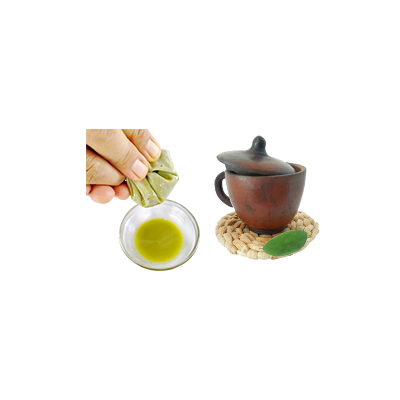
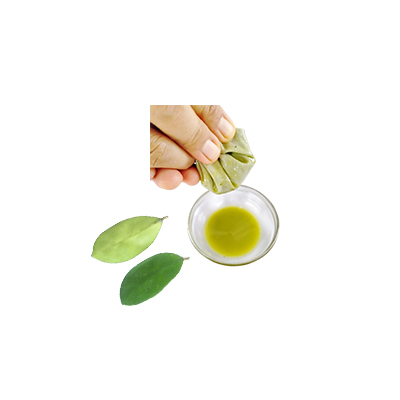
- Prepare an adequate amount of fresh kapal-kapal leaves and wash until clean.
- Grind until it becomes a paste.
- Squeeze the leaf paste and take the liquid.
- Drink.
2. Fever
- Prepare an adequate amount of fresh kapal-kapal leaves and wash until clean.
- Grind until it becomes a paste.
- Squeeze the leaf paste and take the liquid.
- Apply to the whole body to reduce fever.
Reference Sources
- Royal Botanic Gardens. 2021. Plants of the World Online: Hoya verticillata var. verticillata. https://powo.science.kew.org/taxon/urn:lsid:ipni.org:names:77173117-1. 18-12-2021.
- Flora Fauna Web. 2021. Hoya verticillata (Vahl) G.Don. https://www.nparks.gov.sg/florafaunaweb/flora/1/4/1418. 18-12-2021.
- Monaco Nature Encyclopedia. Hoya vertilicillata. https://www.monaconatureencyclopedia.com/hoya-verticillata-2/?lang=en. 18-12-2021.
- Tania U. H., Hassan Md. R., Eshita N. J., Akhter R., Shahriar M. 2016. Evaluation of In vitro Antioxidant and In vivo Pharmacological
Activity of Leaf Extracts of Hoya parasitica (Wall.). Journal of Applied Pharmaceutical Science Vol. 6 (05): 163-170. DOI: 10.7324/JAPS.2016.60526. - Reza M. S. H. et. al. 2007. Phytochemical, Antibacterial and Antinoceptive Studies of Hoya parasitica. Journal of Pharmacology and Toxicology 2(8): 753-756.
- Rahayu S., Fakhrurrozi Y., Putra H. F. 2018. Hoya species of Belitung Island, Indonesia, utilization and conservation. Biodiversitas 19 (2): 369-376.