Hydrangea macrophylla (Thunb.) Ser.
Summary
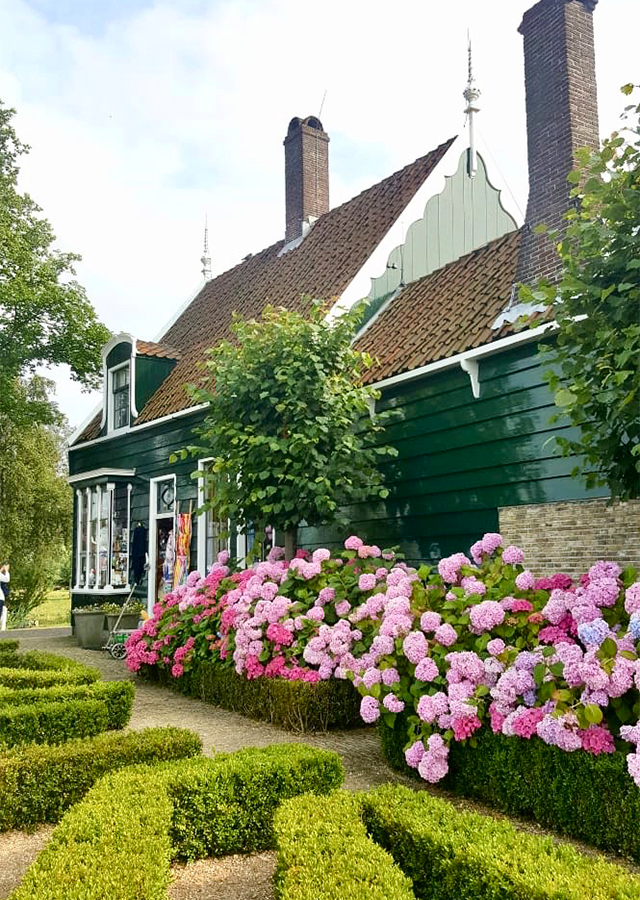
Hydrangea (Hydrangea macrophylla) is a flowering shrub 0.5-1 meter tall of the Hydrangeaceae family, most of whose species are native to Japan and China, though also found in North and South America. Besides adorning gardens and yards, its young leaves can be processed into tea or eaten as a vegetable after cooking. In traditional medicine, hydrangea is used to address malaria, fever, and urinary tract disorders.
Agroecology
Grows ideally in tropical and subtropical highland regions (500-1,500 m above sea level), in a cool climate with an optimum temperature of 18 ºC, acidic soil pH (pH 4.5). Favors clay soil texture and shaded environmental conditions, but is also tolerant of full sun.
Morphology
- Roots fibrous, brownish.
- Stem erect, strong, woody, green.
- Leaves simple, stalked, positioned in opposite crosswise pairs. Blade broad and thick, ovate, pointed tip and base, toothed margins, pinnate venation, dark green upper surface and yellowish-green underside.
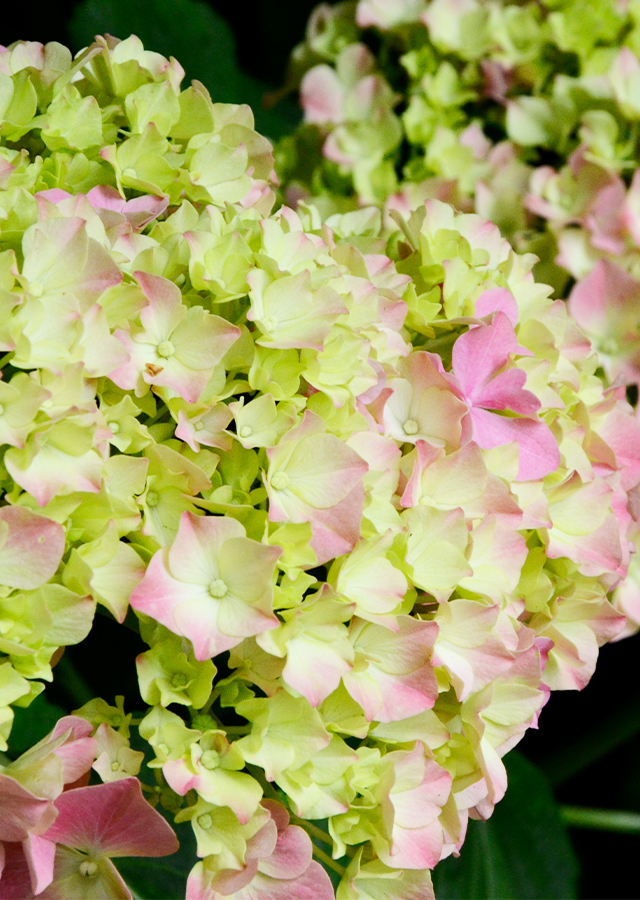
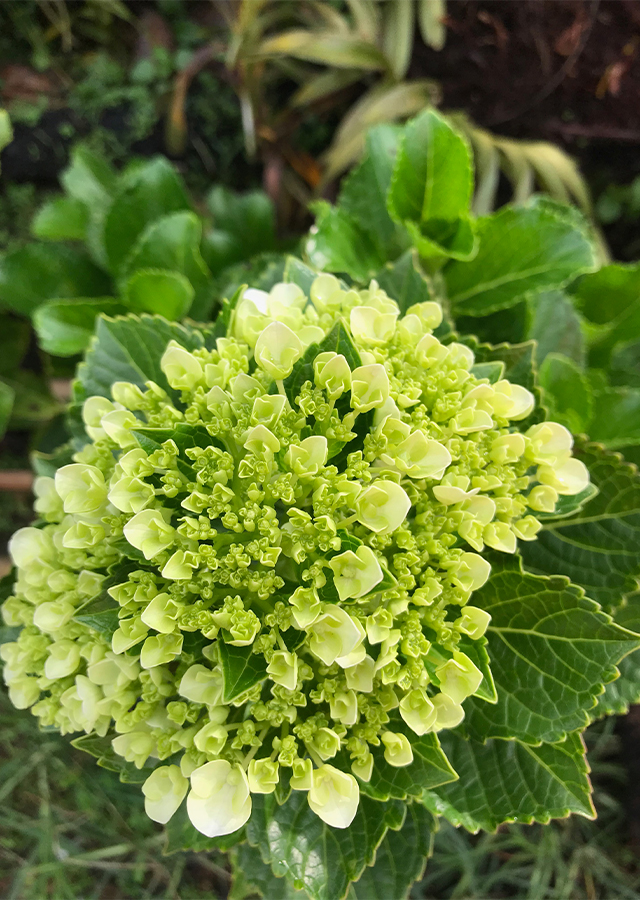
- Flowers compound, emerging from the stalk tip, forming a rounded cluster up to 20 cm in diameter. Green (bud), turning white, then light blue or pink when in bloom.
Cultivation
- Generative propagation (by seed) and vegetative propagation (stem cuttings, shoot cuttings).
- For stem cuttings, select a stem 15 cm long, without flowers, that is new growth.
Chemical Content
Isocoumarin, secoiridoid glucosides, phyllodulcin, polyphenols, flavonoids, triterpenoids/steroids, anthraquinones, zeorin, betulinic acid, uridine, thymidine, adenosine, nicotinamide, methyl pyroglutamate, hydrangenol.
Benefits
Treats diarrhea, malaria, diabetes, hair loss, fever, anxiety, sore throat; has anticancer and anti-inflammatory activity; addresses urinary tract infections, enlarged prostate, and kidney stones.
Simplisia
- Pick fresh, non-rotten leaves.
- Wash thoroughly, then drain.
- Slice the leaves, then sun-dry in shade for several days until the moisture content does not exceed 10%.
- Once dry, store in a clean container.
Local Names
Bunga tiga bulan (Malay), Bunga masamba (South Sulawesi), Kembang bokor.
Traditional Recipes
The following recipes reflect traditional knowledge passed down through generations, not a substitute for professional medical diagnosis or advice. Consult a healthcare provider before use.
1. Diabetes
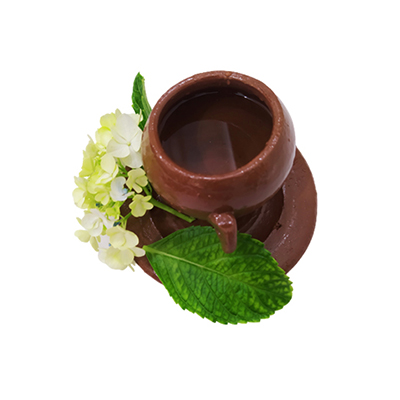
- Prepare a sufficient amount of dried hydrangea leaf powder.
- Boil with 1 cup of hot water.
- Strain and drink.
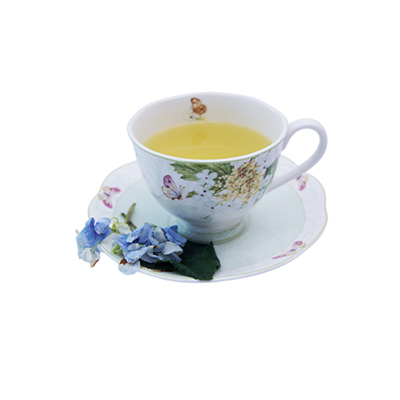
2. Malaria
- Take 10 g hydrangea leaves, 15 g billygoat weed leaves, and ½ papaya leaf.
- Wash thoroughly, then boil in 500 ml of water until reduced to 250 ml.
- Once cool, strain and drink the liquid all at once.
- Do this regularly.
Reference Sources
- PFAF. (No date). Hydrangea macrophylla. https://pfaf.org/user/Plant.aspxLatinName=Hydrangea+macrophylla. 09-01-2021
- Natural Medicinal Herbs. (No date). Hydrangea macrophylla. http://naturalmedicinalherbs.net/herbs/h/hydrangea-macrophylla.php. 31-08-2020
- ResearchGate. (No date). Chemical constituents and bioactivities of plants of the genus Hydrangea https://www.researchgate.net/publication/287627821_Chemical_constituents_and_bioactivities_of_plants_of_the_genus_Hydrangea 31-08-2020
- StuartXchange. (2014). Philippine Medicinal Plants. Hydrangea macrophylla (Thunb.) Ser.MOPHEADS http://www.stuartxchange.com/Hydrangea.html. 17-03-2021.
- WebMD. (No date). HYDRANGEA. https://www.webmd.com/vitamins/ai/ingredientmono663/hydrangea. 31-08-2020
- Remaja Kerokhanian Sapta Darma Sragen. 2014. Daftar Tanaman Obat Indonesia. Sragen 191
- GlobinMed. Global Information Hub On Integrated Medicine. (Diabetes). https://www.globinmed.com/index.php?option=com_content&view=article&id=104057:hydrangea-macrophylla&catid=135&Itemid=141 26-06-2020
- ReseaGate. Chemical constituents from Hydrangea macrophylla. https://www.researchgate.net/publication/237000975_Chemical_constituents_from_Hydrangea_macrophylla 20-01-2021