Hymenocallis littoralis (Jacq.) Salisb.
Summary
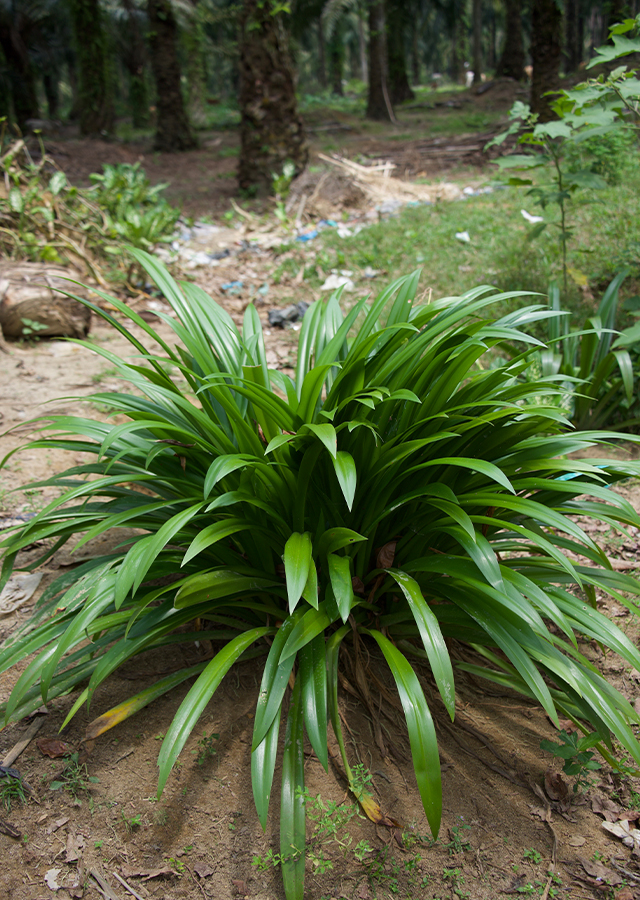
Bakung putih (Hymenocallis littoralis) is a herb 1-2 meters tall of the Amaryllidaceae family, originating from India, Southeast Asia, and northwestern Australia. Since ancient times, communities in Indonesia and the Malay Peninsula have used it as an antidote for poisoned arrow wounds. Bakung putih is also traditionally believed to relieve rheumatism and boils, and help ease childbirth.
Agroecology
Widely found near coasts, lowlands up to elevations of 700 m above sea level, especially in places with moist, humus-rich soil, riverbanks, around lakes, and forest edges. Grows under full sunlight or partial shade.
Morphology
- Roots differentiated into a layered bulb, 5-10 cm diameter.
- Stem pseudostem, upright, soft, greenish-white.
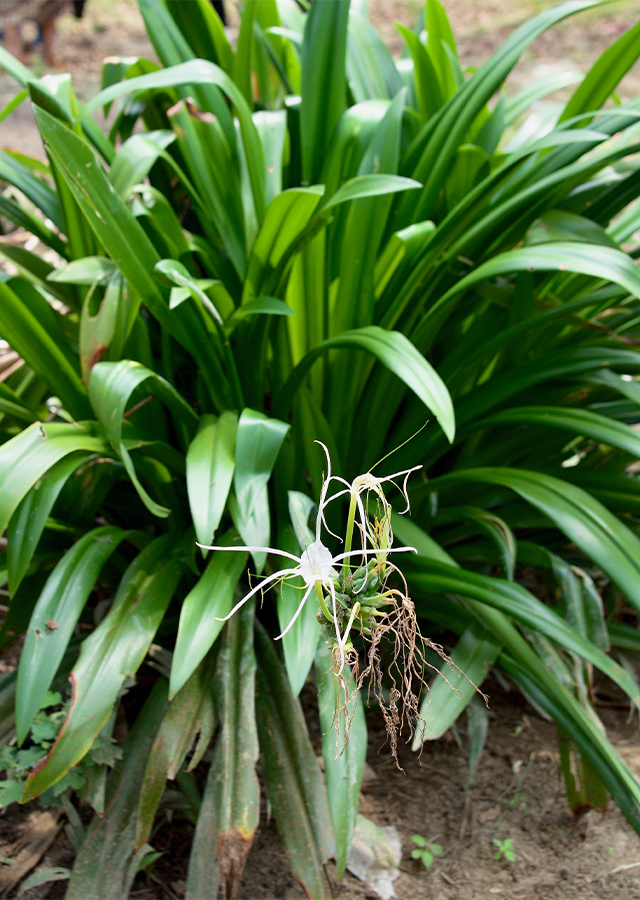
- Leaves single lance-shaped, 30-80 cm long, 4-8 cm wide, parallel venation, green, fleshy (carnosus), thick and watery.
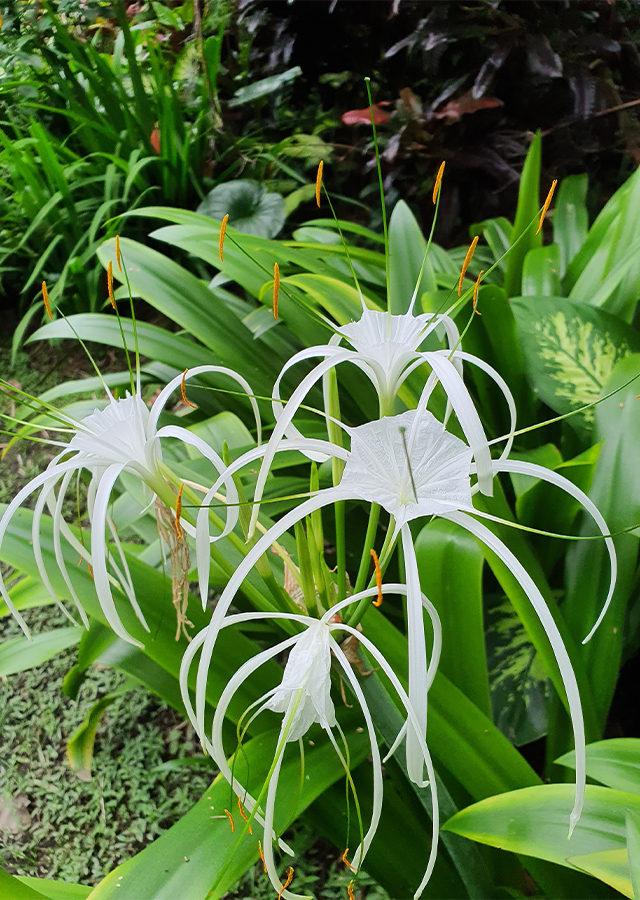
- Flowers compound, perfect, emerging from leaf axils, umbrella-shaped, the base of the petals close together forming a funnel with the loose tip ribbon-shaped, petals attached to the stamen stalk, white in color, long pistil.
- Fruit a capsule, 3-chambered, fleshy, splits laterally, 1-2 cm long, green in color.
- Seeds round and flat, skin coated with mucus.
Cultivation
Propagated vegetatively (separating the bulb from the parent plant), generatively (seed).
Chemical Content
Alkaloids (hymenolitatine, 11-hydroxyvittatine, 8-O-demethylmaritidine), trispheridine, tazettine, narciclasine, lycoricidine, flavonoids (quercetin 3'-O-glucoside, rutin), pancratistatin.
Benefits
Treats acne, rheumatism, skin inflammation, boils, ulcers, whooping cough, worm remedy, eases childbirth.
Simplisia
- Wash the leaves and clean off dirt thoroughly.
- Cut the leaves into small pieces. Then dry in an oven at 40 °C.
- Pound the dried leaves until they become a coarse powder.
- Store the dried material in a clean, airtight container/plastic.
Local Names
Bahong (Batak), Bakung (Malay), Bawang hutan, Bawang tembaga, Kajang-kajang (Palembang), Semur (Bangka), Bakueng (Minangkabau).
Traditional Recipes
The following recipes reflect traditional knowledge passed down through generations, not a substitute for professional medical diagnosis or advice. Consult a healthcare provider before use.
1. Rheumatism, Skin Inflammation, Boils and Ulcers
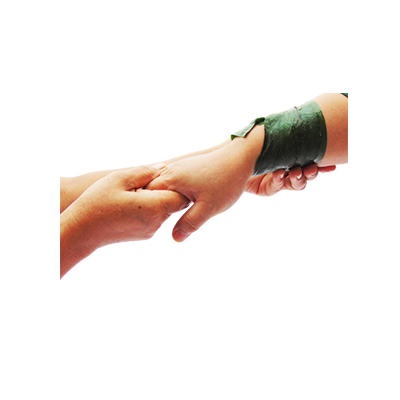
- Prepare 2 fresh bakung leaves, heat over low fire, then crumple.
- Apply to the affected area.
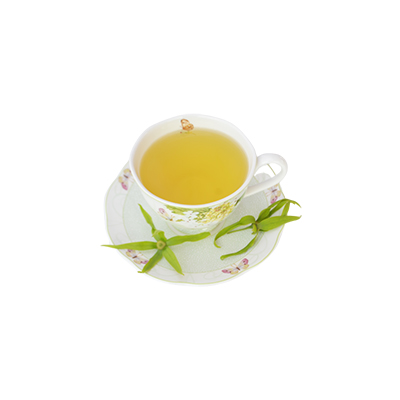
2. Whooping Cough
- Prepare 10 g bakung bulb, 15 g mandarin orange peel, 15 g kenanga flower, 500 ml water.
- Boil until it boils and the water is reduced to 250 ml then strain.
- Drink while warm regularly.
Reference Sources
- House Plant Expert. (No date). GROWING BEACH SPIDER LILIES. https://www.houseplantsexpert.com/beach-spiderlily.html 09-04-2021
- Pl@nt Use. (2016). Hymenocallis littoralis (PROSEA). https://uses.plantnet-project.org/en/Hymenocallis_littoralis_(PROSEA). 09-04-021
- Stuart Xchange. (2019). Philippine Medicinal Plant. Hymenocallis littoralis. http://www.stuartxchange.org/SpiderLily. 09-04-2021
- ThePlantList. A working list of all plant species.Hymenocallis littoralis (Jacq.) Salisb. http://www.theplantlist.org/tpl1.1/record/kew-278844 11-01-2021
- ReseachGate. Chemical Constituents from Hymenocallis littoralis.https://www.researchgate.net/publication/310385994_Chemical_Constituents_from_Hymenocallis_littoralis 11-01-2021
- ReseachGate. Phytochemical and biological investigation of Hymenocallis littoralis SALISB. https://www.researchgate.net/publication/5559673_Phytochemical_and_biological_investigation_of_Hymenocallis_littoralis_SALISB 11-01-2021
- Sulasmi Eko Sri. 2012. IDENTIFIKASI TUMBUHAN BAKUNGAN (Hymenocallis litthoralis). Univ. Neg. Malang. https://dokumen.tips/documents/identifikasi-tumbuhan-bakungan-hymenocallis-littoralis.html 11-01-2021.
- Kurdi A. 2010. Tanaman herbal Indonesia: (Rematik, Radang Kulit, Bisul dan Borok).
- Arif hariana dkk. 2015. Batuk rejan: Kitab Resep Herbal Penebar Swadaya