Imperata cylindrica (L.) P.Beauv.
Summary
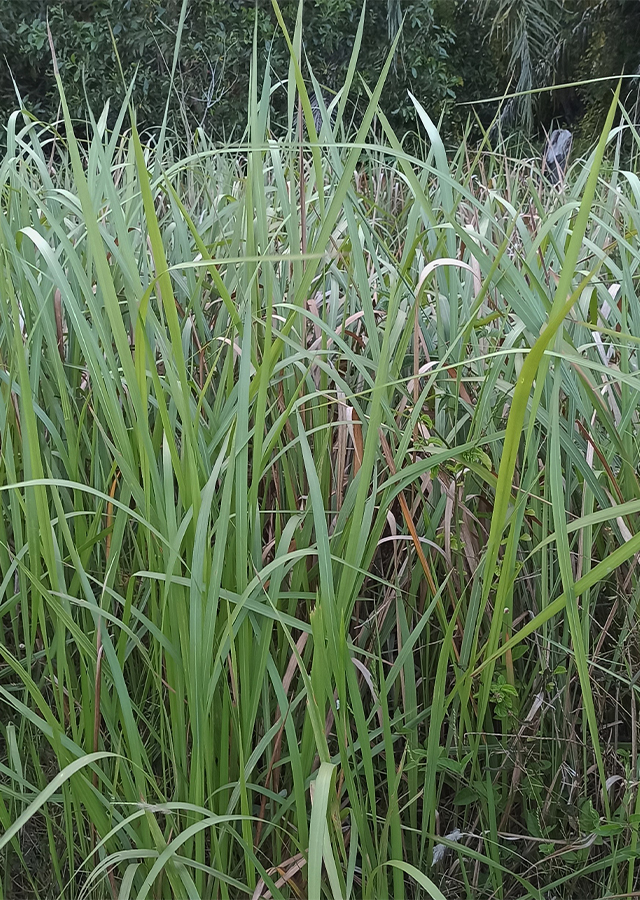
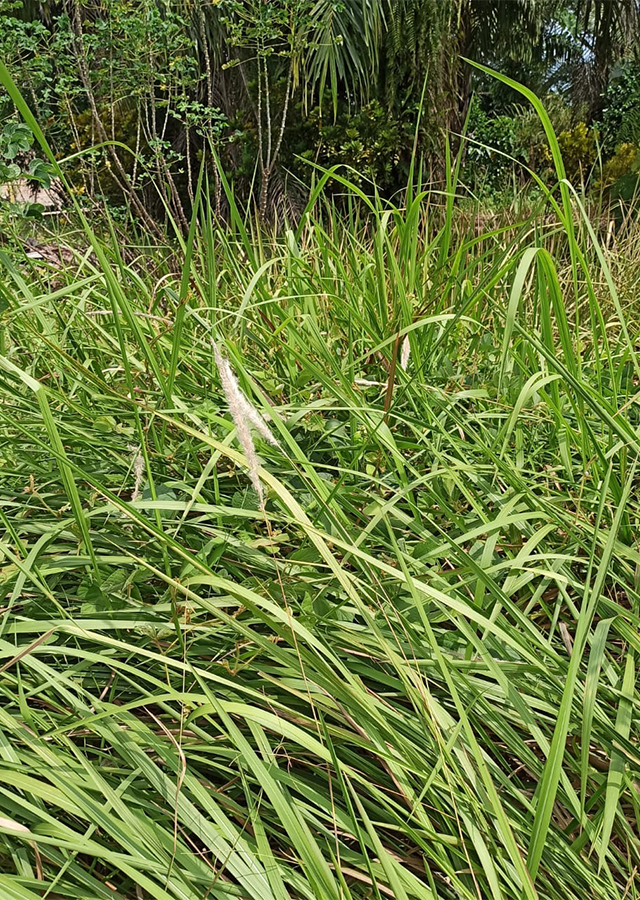
Alang-alang (Imperata cylindrica) is a herb up to 120 cm tall of the Poaceae family, a plant native to Southeast Asia distributed throughout tropical and subtropical regions. Although generally considered a weed, its root serves as a natural erosion control and bioherbicide, while its young shoots can be cooked. Alang-alang root is traditionally believed to dissolve kidney stones and relieve hepatitis.
Agroecology
This plant lives in tropical to subtropical regions. Grows very well in areas at elevations up to 2,000 m above sea level, temperature 20-40 °C, rainfall 500-3,500 mm/year, pH 4-7.5, in full sun to somewhat shaded conditions.
Morphology
- Roots hard, forming a creeping, jointed rhizome.
- Stem short, rising above ground and flowering, partly purplish-red.
- Leaves line-shaped (long ribbon) lance-shaped with a tapering tip, base clasping and gutter-shaped, 12-80 cm long.
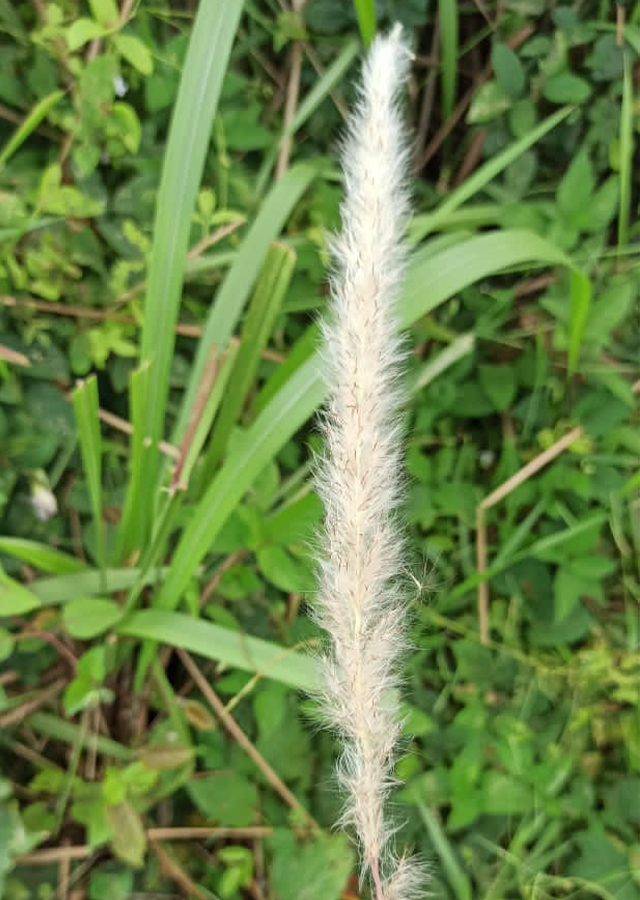
- Flowers compound panicle-shaped, 6-28 cm long, spikelets with long white hairs, 1 cm in size.
Cultivation
- Propagated by seed and rhizome. Alang-alang's very light seeds can spread to other places carried by wind.
- The rhizome roots are able to build a sturdy network underground and their shoots will occasionally push upward growing a new generation.
Chemical Content
Mannitol, glucose, sucrose, citric acid, malic acid, cylindrin, fernenol, coixol, arundoin, arundoin, semiarenol, silicic acid.
Benefits
Treats kidney stones, kidney infection, hepatitis, urinary stones, difficulty urinating, vaginal discharge.
Simplisia
- Separate alang-alang root from dirt and wash thoroughly with running water.
- Dry at 40 °C for 5-7 days until a moisture content of 8% is obtained. Once dry, grind with a blender then sift.
- Store in a sterile, airtight container.
Local Names
Eurih (Sunda), Ambengan, Halalang (Minangkabau), Lalang (Madura and Bali), Jih (Gayo), Kusu-kusu (Manado), Wusu (Sumba).
Traditional Recipes
The following recipes reflect traditional knowledge passed down through generations, not a substitute for professional medical diagnosis or advice. Consult a healthcare provider before use.
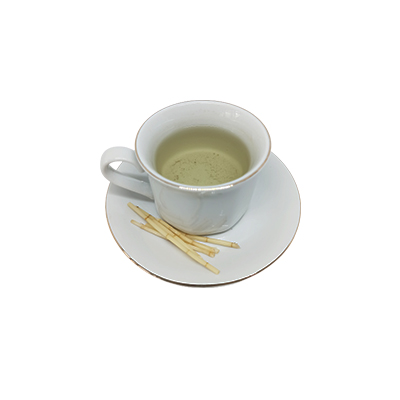
1. Diuretic
- Wash ± 10 g fresh alang-alang root thoroughly.
- Boil with 3 glasses of water, until only 1 glass of water remains then strain.
- Drink the strained liquid all at once.
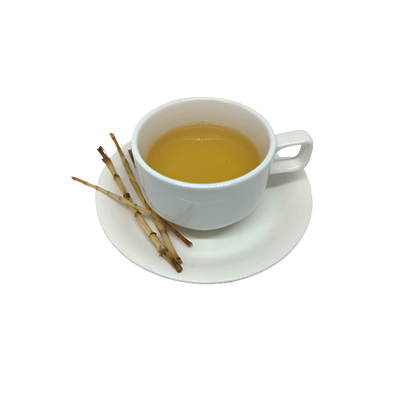
2. Hepatitis
- Take 60 g of dried alang-alang root.
- Boil with 3 glasses of water until it boils and the water is reduced to 1 glass.
- Drink twice a day.
Reference Sources
- Tropical Plants Database, Ken Fern. tropical.theferns.info. Imperata cylindrica. http://tropical.theferns.info/viewtropical.php?id=Imperata+cylindrica 15-01-2021
- Referensi Asosiasi Herbalisnusantara (pusat pelatihan dan pengobatan herbal indonesia). Download 699 ebook tanaman obat indonesia, herbalisnusantara.com (Peluruh air seni ). 30-10-2020
- Deherba.com. Alang-alang: Penggunaan, Pengolahan dan Efek Sampung (Hepatitis). https://www.deherba.com/info-tanaman-alang-alang.html 30-10-2020