Inga edulis Mart.
Summary
Inga edulis or ice cream bean tree is native to Central and South America, especially the Amazon, and is popular in South America for its edible fruit tasting similar to ice cream and rich in vitamin A, calcium, and protein. Amazon natives use it as a source of firewood, a shade plant, and an ingredient for the alcoholic drink cachiri, while its nitrogen-fixing ability also enriches the soil for surrounding plants. Traditionally, the ice cream bean tree is also used to address cough, dysentery, and mouth sores.
Agroecology
Ice cream bean tree is a tropical plant of hot, moist lowlands, which can also be found at elevations up to 2,200 m asl. Its habitat is found growing in river floodplains, riparian upland forests, adjacent rainforests, moist, wet, or sometimes somewhat dry forests, or in open places. In Peru, this species is found growing in thickets and forested swamps at elevations of 110-540 m asl. Ice cream bean tree or I. edulis can grow best in areas where the mean annual daytime temperature is in the range of 23-30°C, but can tolerate 18-35°C. Mature plants can die at -2°C or lower, while new growth will be damaged at 0°C. Mean annual rainfall is in the range of 1,200-2,500 mm, but tolerates 640-4,000 mm. Optimal growth of I. edulis requires a sunny position or full sun exposure, but also succeeds in dappled shade. Thrives in all soil types within a pH range of 4-8. This species can handle some waterlogging for 2-3 months each year and is also highly resistant to short drought periods.
Morphology
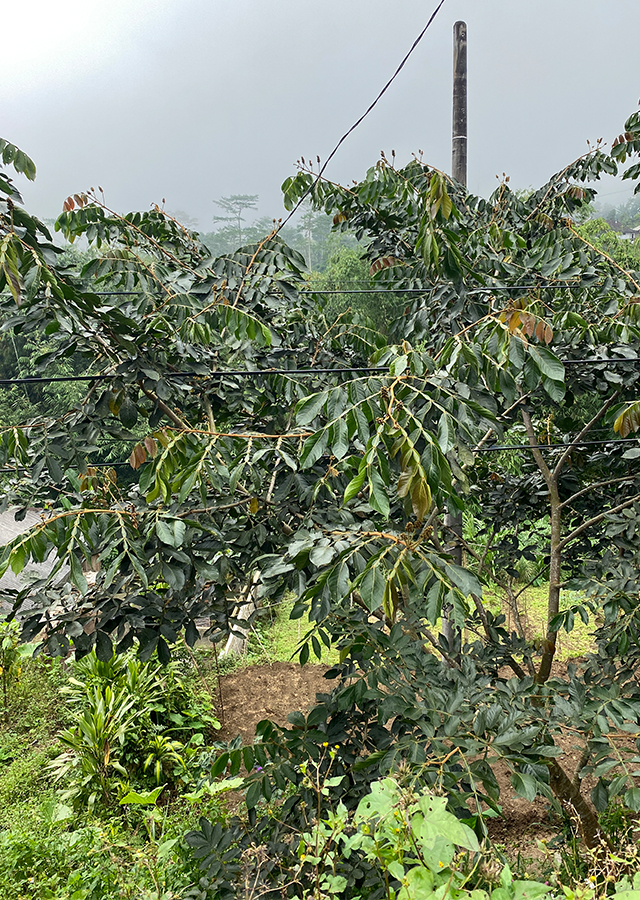
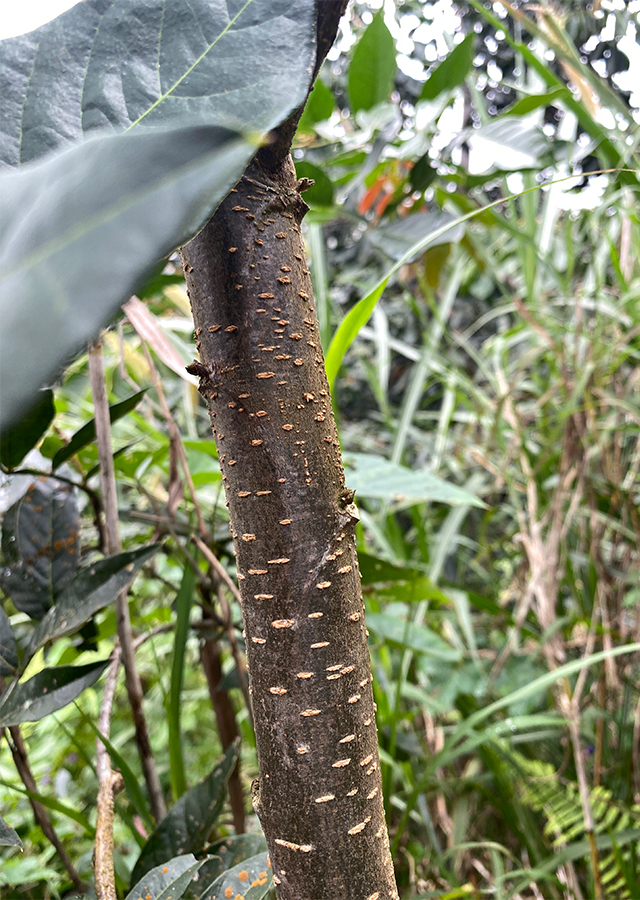
- Trunk cylindrical, often wrinkled, often branching near the base. The branches form a wide, flat, and fairly dense canopy. Bark pale gray and smooth, with pale elongated lenticels. Young twigs and stems angular in cross-section and covered with fine short brown hairs.
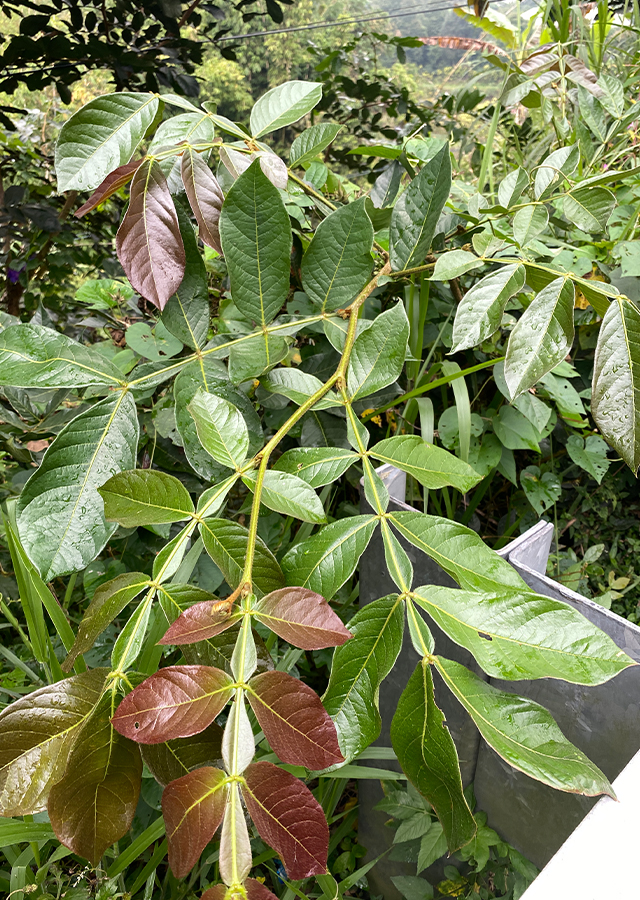
- Leaves alternate, pinnate, about 10-30 cm long, with 4-6 pairs of opposite leaflets, oval shaped, dark green, membranous, somewhat puberulent. The terminal pair of leaflets is larger than the basal pair. Between each leaflet there are large nectar glands (2 to 3 mm) on the leaf rachis. The leaflets and rachis are covered with dense, short, coarse brown hair.
- Flowers usually fragrant, with a calyx tube with 5 lobes (4 to 9 mm long), a corolla tube with 5 lobes (13 to 25 mm long), and a large number of white stamens up to 4.5 cm, fused into a tube at the base.
- Fruit a pod, cylindrical with longitudinal ribs or grooves, which can be straight, curved, or often spirally twisted, yellowish brown to green in color. Inside the pod are green seeds covered by sweet, cotton-like white pulp.
- Seeds ovoid shaped, number varying, 10-20 seeds, purplish black to olive colored.
Cultivation
- Propagation is done through seed.
- Seed germinates within 2-3 days (germination rate 95 to 100%). Move seedlings into individual containers when they have 4-6 leaves, and after 4-5 months old the plant is ready to be planted in an open field or garden.
Chemical Content
Flavonoids (5,7,3',4'-tetrahydroxy-3-methoxyflavone; 6,3',4'-trihydroxyaurone and 5,7,4'-trihydroxy-6,8-dimethylflavanone, gallic acid, catechin, epicatechin, myricetin-3-O-α-L-rhamnopyranoside, quercetin-3-O-α-L-glucopyranoside, quercetin-3-O-α-L-rhamnopyranoside).
Benefits
Relieves cough and mouth sores, helps heal lip sores from herpes, maintains eye health, helps with weight loss, good for muscle health (building body muscle), maintains heart health, treats dysentery, diarrhea, rheumatism, lowers cholesterol, controls blood sugar, strengthens bones, reduces excessive appetite, maintains body cell health, smooths the digestive system and promotes digestive organ health (constipation), prevents bloating, relieves headache, prevents cancer, reduces stress and anxiety, removes toxins from the body, helps heal irritation of the intestinal lining.
Local Names
Buah krim, Buah eskrim.
Traditional Recipes
The following recipes reflect traditional knowledge passed down through generations, not a substitute for professional medical diagnosis or advice. Consult a healthcare provider before use.

1. Strengthens bones
- Prepare an adequate amount of ice cream bean fruit.
- Eating the ice cream bean fruit flesh can be beneficial for strengthening bones.
2. Treats diarrhea
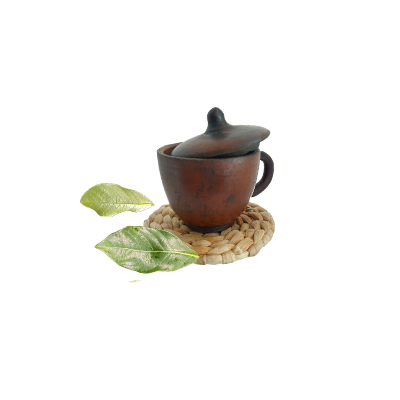
- Take an adequate amount of ice cream bean leaves and wash until clean.
- Boil the leaves until it boils.
- Let it cool to warm/cold.
- Strain then drink.
Reference Sources
- Royal Botanic Gardens. Plants of the World Online: Inga edulis. https://powo.science.kew.org/taxon/urn:lsid:ipni.org:names:128451-2. 13-12-2022.
- Healthbenefitstimes. 2021. Health benefits of Ice Cream Bean. https://www.healthbenefitstimes.com/ice-cream-bean/. 13-12-2022.
- Plants For A Future. 2022. Inga edulis - Mart.. https://pfaf.org/user/Plant.aspx?LatinName=Inga+edulis. 13-12-2022.
- Souza, J. N. S., Silva E. M., Silva M. N., Arruda M. S. P., Larondelle Y., Rogez H. 2007. Identification and Antioxidant Activity of Several Flavonoids of Inga edulis Leaves. Journal of the Brazilian Chemical Society, Vol. 18, No. 6, 1276-1280.