Ixora salicifolia (Blume) DC.
Summary
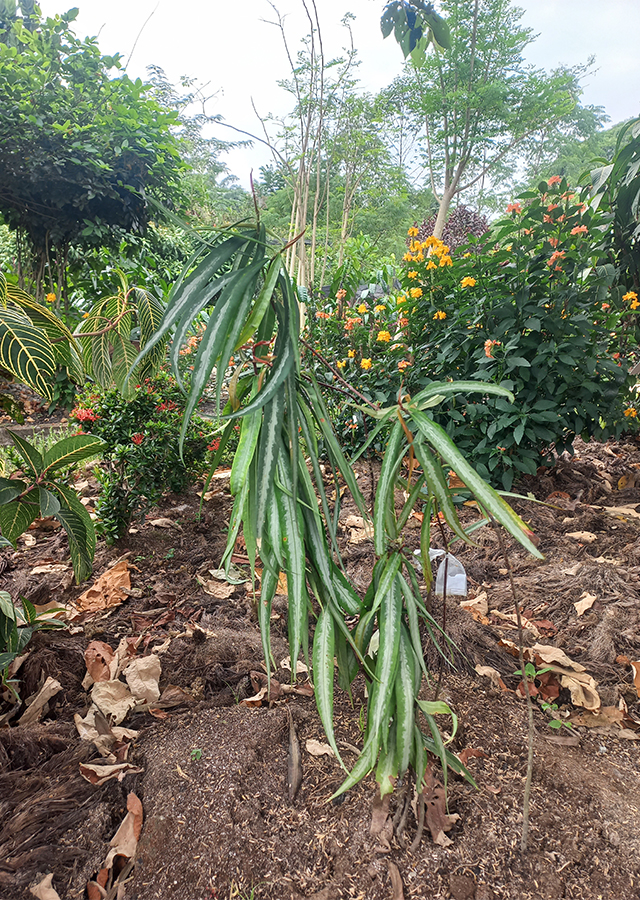
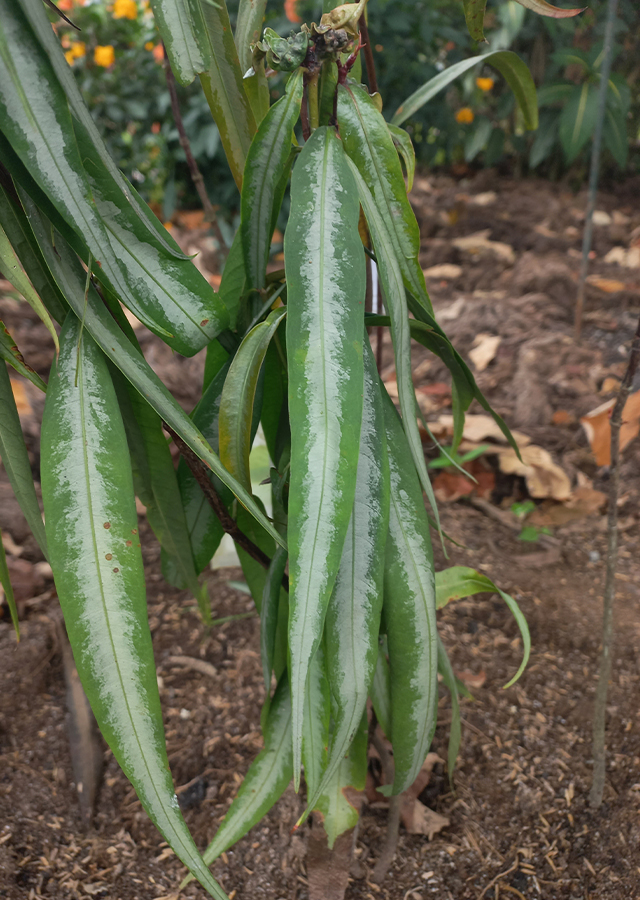
Ixora salicifolia or soka hutan was first found in the mountain forest region of Java, and also grows in Kalimantan and the Philippines. Besides the appeal of its flowers, its white-spotted leaf surface is an added value as an ornamental, while traditionally soka hutan is used to treat lower back pain, toothache, and boils, though its bioactive content has not been extensively studied.
Agroecology
Soka hutan requires warm, humid conditions, and soil consisting of about half loam and half peat, with some sand. To form a healthy plant, healthy young plants should be selected, and encouraged toward rapid growth by placing them under sun heat. Requires well-drained soil conditions, so that water and misting can be given without risk of the soil becoming waterlogged.
Morphology
- Stem upright, sturdy, jointed.
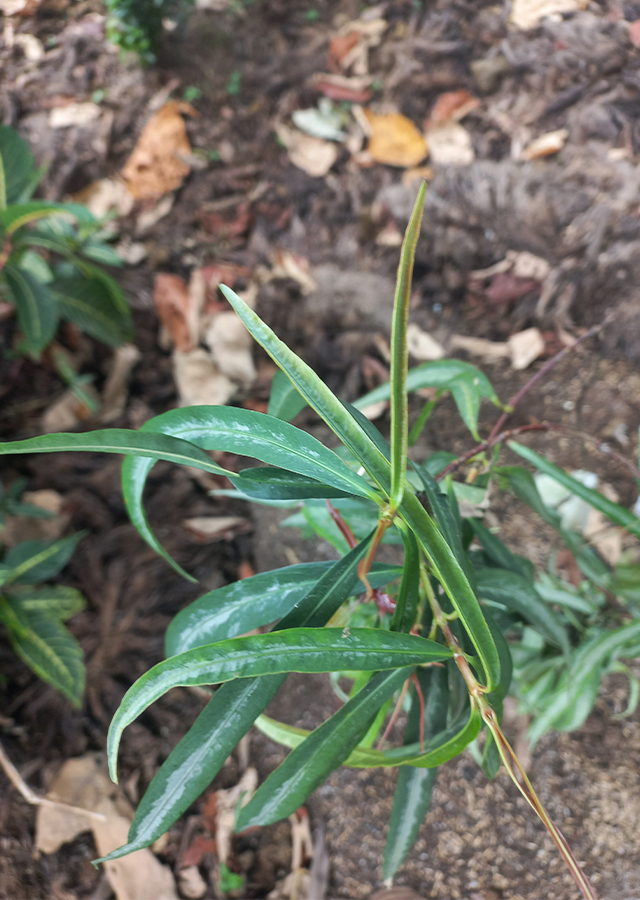
- Leaves opposite, closely spaced, borne on very short petioles, almost sessile, narrowly lanceolate, very tapering, often spanning one long stretch, penninerved, entire, hairless, shining dark green above, pale below. Stipules ovate, tapering, often tinged with red.
- Flowers terminal, corymb-shaped, large. When the flowers fully expand, they form a hemispherical head of dark aurantiaceous (orange-red) flowers, or in var b almost red. Ovary short, hemispherical, crowned with a very long slender, almost filiform tube. Limb four-parted, ovate or lanceolate-ovate, horizontally spreading, lobes acute. Stamens small, inserted at the mouth of the tube. Style scarcely emergent, stigma three-lobed.
Cultivation
Soka hutan can be propagated with stem cuttings and placed under sun heat.
Chemical Content
So far no research reports have been found on I. salicifolia related to its compound content and bioactivity.
Benefits
A remedy for lower back pain, toothache, removing impure blood, treats boils, reduces fever, and has analgesic activity.
Local Names
Kikuhkuran
Traditional Recipes
The following recipes reflect traditional knowledge passed down through generations, not a substitute for professional medical diagnosis or advice. Consult a healthcare provider before use.
1. Fever
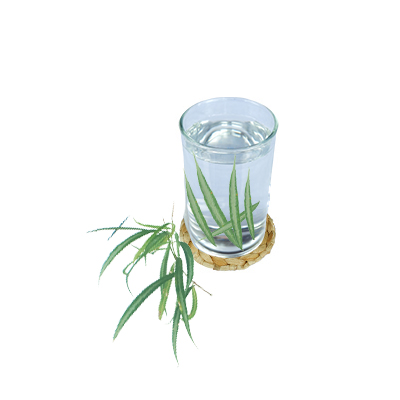
- Take an adequate amount of fresh soka hutan leaves and wash until clean.
- Soak and wait for a while.
- Strain then drink to reduce fever.
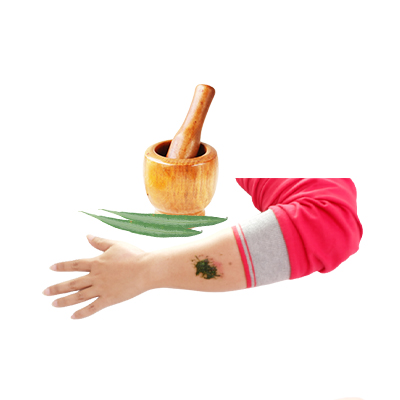
2. Boils
- Take an adequate amount of fresh soka hutan leaves and wash until clean.
- Grind until it becomes a paste.
- Apply the leaf paste as a poultice on the boil.
Reference Sources
- Royal Botanic Gardens. Plants of the World Online: Ixora salicifolia (Blume) DC.. 24-05-2022. https://powo.science.kew.org/taxon/urn:lsid:ipni.org:names:754419-1#distribution-map.
- Susilo Adi. 2016. Keragaman tumbuhan dan potensi pemanfaatannya di kawasan hutan alam sekunder RPH Cisujen KPH Sukabumi, Jawa Barat. PROS SEM NAS MASY BIODIV INDON. 2(2): 256-262. DOI: 10.13057/psnmbi/m020223.
- Ghalib Syukrillah Syahputra, Mutiara Ayudia Astuti, Piter Piter, Dayar Arbain. 2021. Kajian Etnofarmasi dan Fotokimia Tumbuhan Obat Kampung Adat Urug, Kecamatan Sukajaya, Kabupaten Bogor, Jawa Barat. Jurnal Tumbuhan Obat Indonesia, 14(1): 14-28, Juli 2021.
- Sir William Jackson Hooker. 1850. Curtis's Botanical Magazine - Volume 76. London.
- Subekti Purwantoro. 2014. Lembaga Ilmu Pengetahuan Indonesia: Studi Potensi Jenis-jenis Ixora Liar Sebagai Tanaman Hias. Seminar Nasioanl Perhorti: Membangun Sistem Baru Agribisnis Hortikultura Indonesia pada Era Pasar Global, IPB Bogor: 646-654.