Jatropha curcas L.
Summary
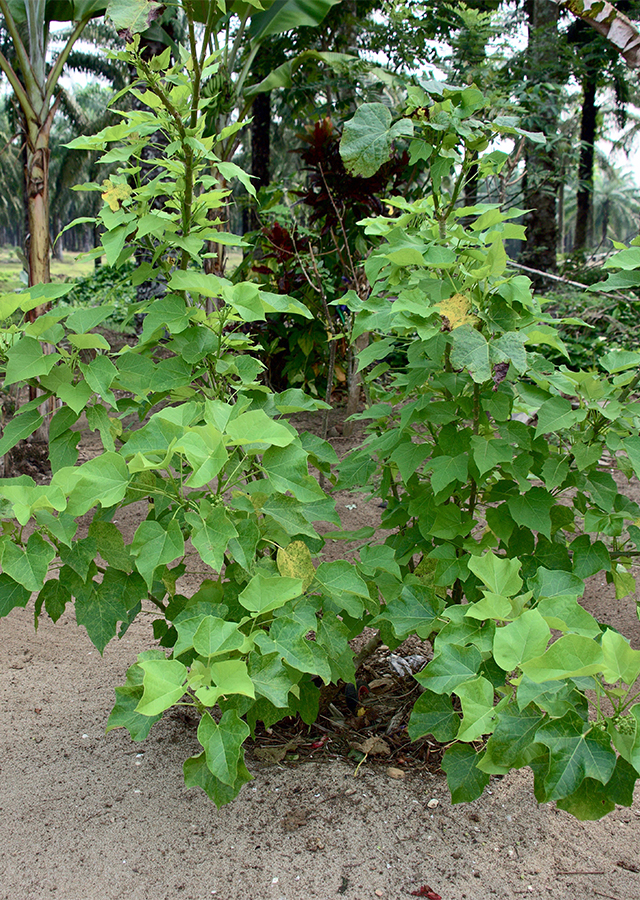
Jarak pagar (Jatropha curcas) is a shrub up to 3 meters tall of the Euphorbiaceae family, originating from southern Mexico, brought by Portuguese and Spanish explorers to Africa and Asia, then entering Indonesia through Japanese occupation. Its seeds are an alternative biofuel source as well as an ingredient for body care products. Traditionally, jarak pagar is also believed to improve blood circulation and stop bleeding.
Agroecology
Generally found in subtropical to tropical regions at elevations of 500-1,600 m above sea level. Prefers full sunlight, soil with good drainage and aeration, soil pH between 5.5-7.5, average temperature 11-28 °C, rainfall 520-2,000 mm/year.
Morphology
- Roots taproot and fibrous.
- Stem somewhat thick sap, brown.
- Leaves broad, heart-shaped, smooth or slightly lobed edges, and long-stalked.
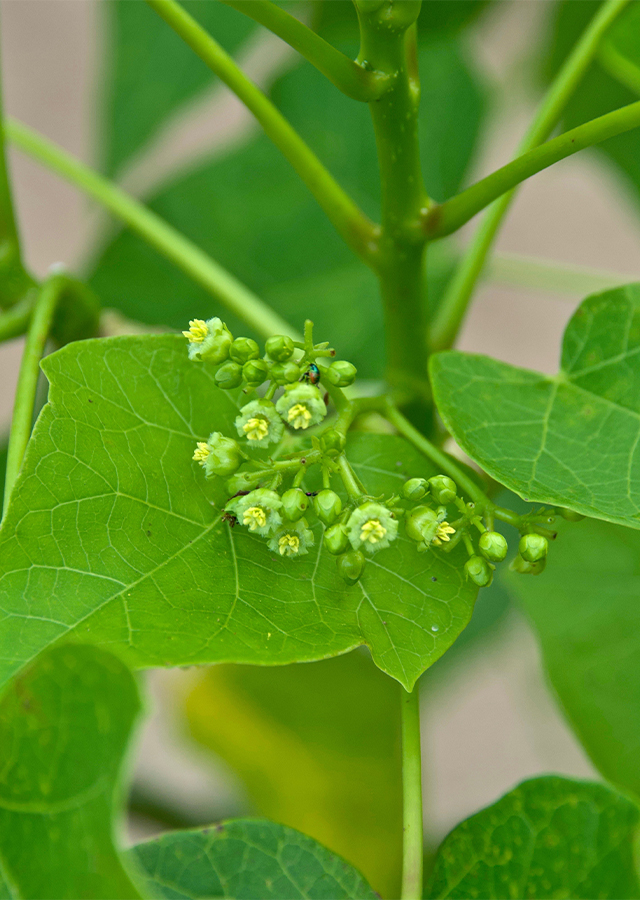
- Flowers perfect, yellowish-green. Male and female flowers are each arranged in a cup-shaped cluster.
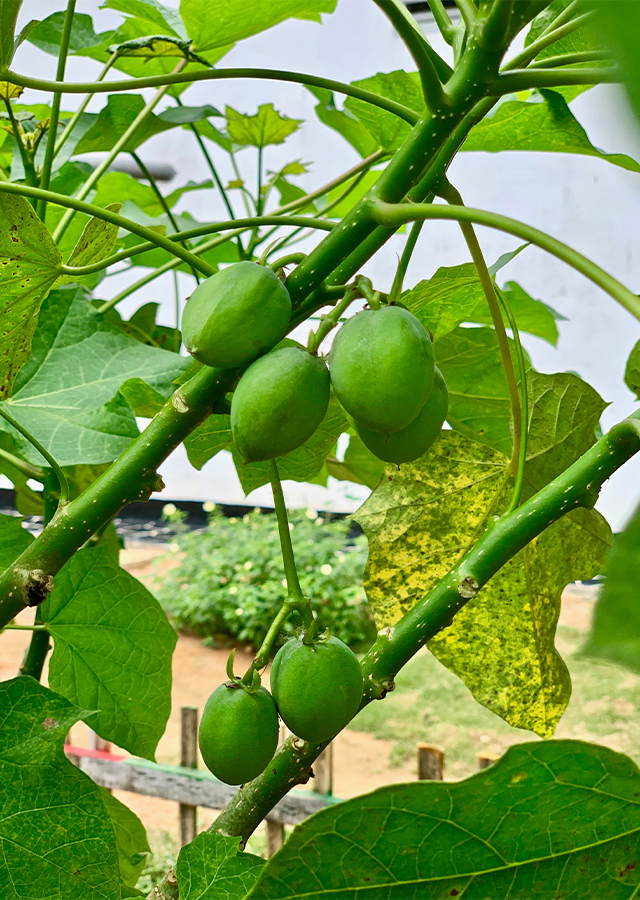
- Fruit egg-shaped, divided into three chambers, not splitting open, each chamber containing 1 oblong-round shaped seed.
Cultivation
Plant propagated generatively (by seed) and vegetatively (branch or stem cuttings, grafting, budding, tissue culture).
Chemical Content
Bark: tannins, resin. Leaves: sitosterol, kaempferol compounds, stigmasterol, amyrin, taraxerol. Seeds: β-glucanase, toxalbumin and curcin. Sap: flavonoids, saponins, jatrophie.
Benefits
Improves blood circulation (stagnant blood dispelling), relieves swelling and itching (anti-pruritic), stops bleeding, leprosy remedy, fever, promotes hair growth, rheumatism, addresses bloating in infants and toddlers, eases childbirth in healthy pregnancies.
Simplisia
Not yet available.
Local Names
Jarak costa (Malay), Jarak kusta (Sunda), Kalele (Madura), Jarak pager (Bali), Bintalo (Gorontalo), Balacai hisa (Ternate).
Traditional Recipes
The following recipes reflect traditional knowledge passed down through generations, not a substitute for professional medical diagnosis or advice. Consult a healthcare provider before use.
1. Contraceptive Remedy
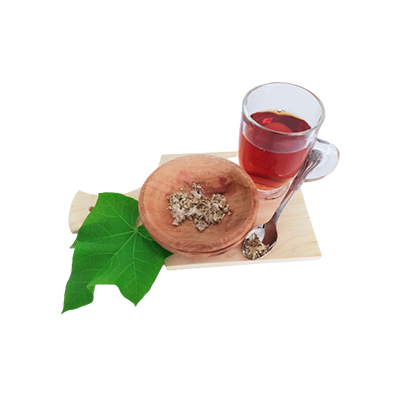
- Select an adequate amount of dried jarak fruit, wash thoroughly.
- Roast the fruit then pound.
- The resulting concoction can be made into tea or coffee.
- Usage rule: 1 fruit for 1 year. 3 fruits for 3 years.
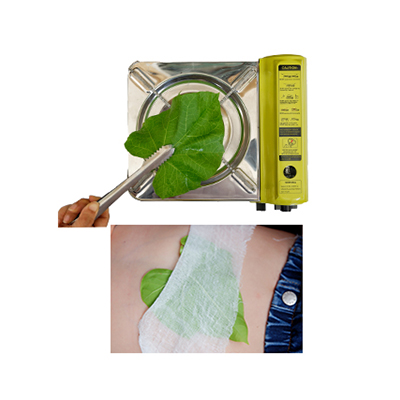
2. Addressing Bloating in Infants and Toddlers
- Wash 1 leaf thoroughly, coat with cooking oil then heat over low fire until wilted.
- Apply to the infant's or toddler's stomach (not covering the navel). Leave until the leaf dries.
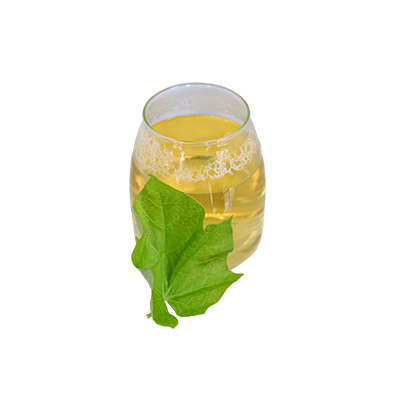
3. Reducing Fever
- Wash 10-15 fresh leaves, boil with 2 liters of water until it boils.
- Use the boiled water for bathing.
Reference Sources
- CABI. (2015). Invasive Species Compendium. Jatropha curcas (jatropha). https://www.cabi.org/isc/datasheet/28393. 02-02-2021.
- Fern, Ken. (2014). Useful Tropical Plants. Jatropha curcas. http://tropical.theferns.info/viewtropical.php?id=Jatropha+curcas. 02-02-2021.
- Ling, K.H., Kian, C.T., & Hoon, T.C. (2009). A Guide to Medicinal Plants: An Illustrated, Scientific and Medicinal Approach. World Scientific Publishing Co.Pte.Ltd., Singapore 81-82.
- StuartXchange. (2016). Philippine Medicinal Plants. Tubang-bakod. http://www.stuartxchange.org/TubangBakod.html 02-02-2021