Kaempferia rotunda L.
Summary
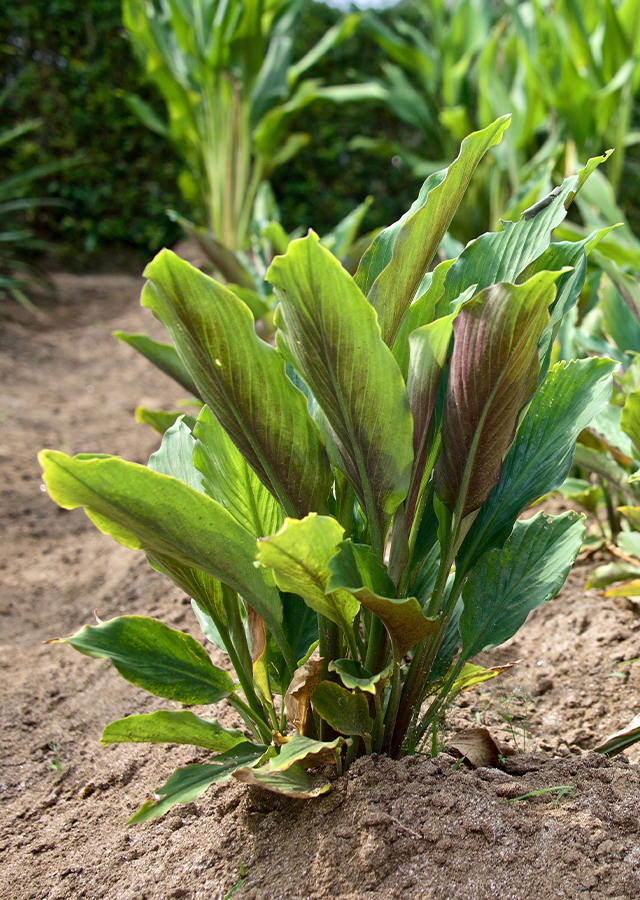
Temu pepet (Kaempferia rotunda) is an annual herb 15-30 cm tall of the Zingiberaceae family, thought to originate from Indo-China, naturally distributed from India to Thailand, Malaysia, and Indonesia. Its rhizome is an ingredient in special herbal remedies for women after childbirth. Temu pepet is traditionally believed to help treat stomach ache, dysentery, and boost appetite.
Agroecology
This plant can be found in teak forests, lower mountain forests, bamboo forests, grasslands, up to elevations of 1,300 m above sea level. Requires loose, well-drained soil so the rhizome does not rot.
Morphology
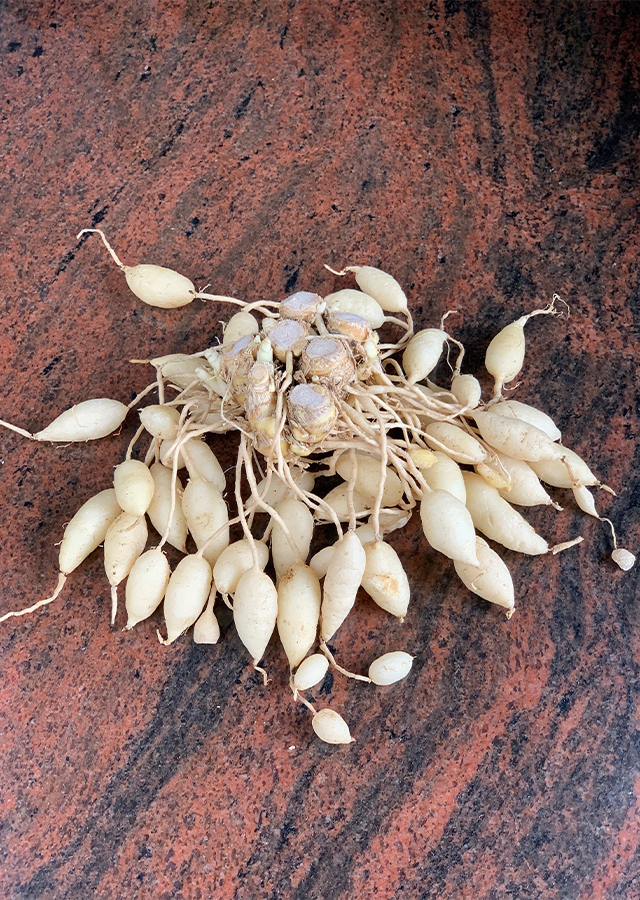
- Root fragrant-smelling, shaped like peanuts or pigeon eggs.
- Rhizome short, branched.
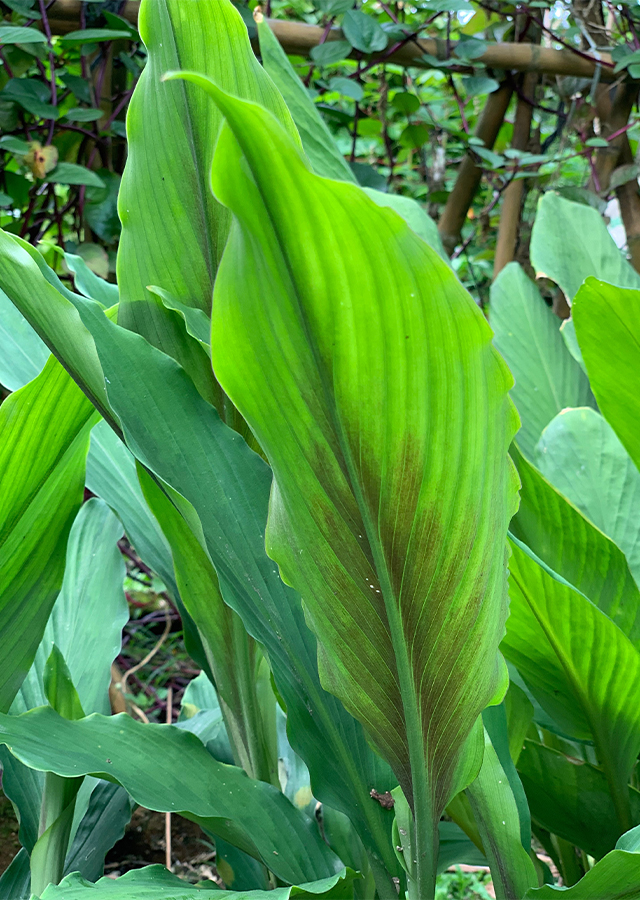
- Leaves stalked with a sheath 7-24 cm, leaf blade lance-oval, 7-36 x 4-11 cm, upper side hairless, often with symmetrical floral patterns, green and whitish in color, underside slightly hairy, purplish in color.
- Flowers emerge from a different bud on the rhizome, containing 4-6 florets.
Cultivation
- Propagated with rhizome pieces.
- Seedlings come from a parent clump that is fairly mature, namely 8-12 months old.
- There are 2 growth phases: Vegetative (grows with leaves and pseudostem) and Generative (only flowers are visible).
Chemical Content
Alkaloid, saponin, flavonoid, polyphenol, essential oil, camphor, borneol, cineole and methyl chavicol, crotepoxide, benzoic acid, tetracosanic acid, β-sitosterol, stigmasterol.
Benefits
Treats stomach ache, dysentery, appetite booster, treats sprains, ingredient in herbal remedies for women after childbirth, mental disorders, insomnia, diabetes, cancer, and tumors.
Simplisia
- Wash fresh rhizome thoroughly with running water then drain.
- Dry on a tray in the sun and must be turned frequently, protect when humid. Do this for 5-6 days until completely dry.
- Pack the simplisia in a clean, airtight bag.
Local Names
Known by local names Temu putri or Temu lilin, Ardong, Kunir putih, Kunci pepet, kunyit putih.
Traditional Recipes
The following recipes reflect traditional knowledge passed down through generations, not a substitute for professional medical diagnosis or advice. Consult a healthcare provider before use.
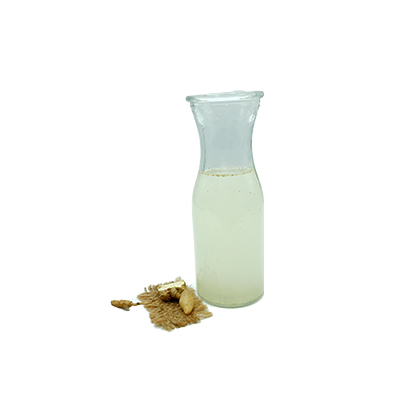
1. Addressing bloating
- Steep 1 tsp temu pepet powder with 1 cup of hot water.
- Once warm, strain then drink directly/all at once.
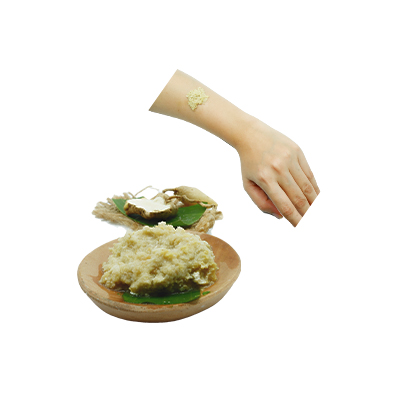
2. Swelling, bruises, boils
- Wash fresh temu pepet parent rhizome as needed thoroughly. Pound until fine, add a little water.
- Apply to the bruised or swollen part of the body, then bandage with cloth.
Reference Sources
- Tropical Plants Database, Ken Fern. tropical.theferns.info. Kaempferia rotunda. http://tropical.theferns.info/viewtropical.php?id=Kaempferia+rotunda 31-01-2021
- upm.edu. Chemical constituents and bioactivities of Kaempferia rotunda L. http://psasir.upm.edu.my/id/eprint/13570/1/Chemical%20constituents%20and%20bioactivities%20of%20Kaempferia%20rotunda%20L.pdf 01-02-2021
- Ibrahim, H. 1999. Kaempferia rotunda L. [Internet] Record from Proseabase. de Padua, L.S., N. Bunyapraphatsara, and R.H.M.J. Lemmens (Editors). 06-01-2011
- Heyne K. 1987. Tumbuhan Berguna Indonesia, jil. 1:593-594 Terj. Yayasan Sarana Wana Jaya, Jakarta.
- Dalimartha, Setiawan. 2003. Atlas Tumbuhan Obat Indonesia. 3. hal. 58-61. Jakarta, Puspa Swara. ISBN 979-3235-73-X
- Remaja Kerokhanian Sapta Darma Sragen. 2014. Daftar Tanaman Obat Indonesia (Mengatasi Kembung Perut, bengkak, memar, bisul). Sragen 219