Lansium domesticum Corrêa
Summary
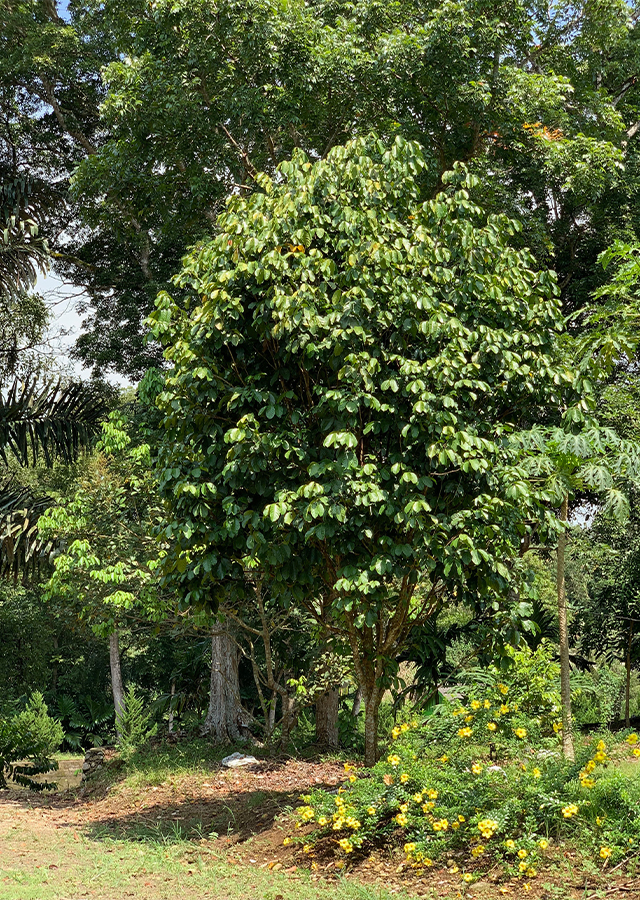
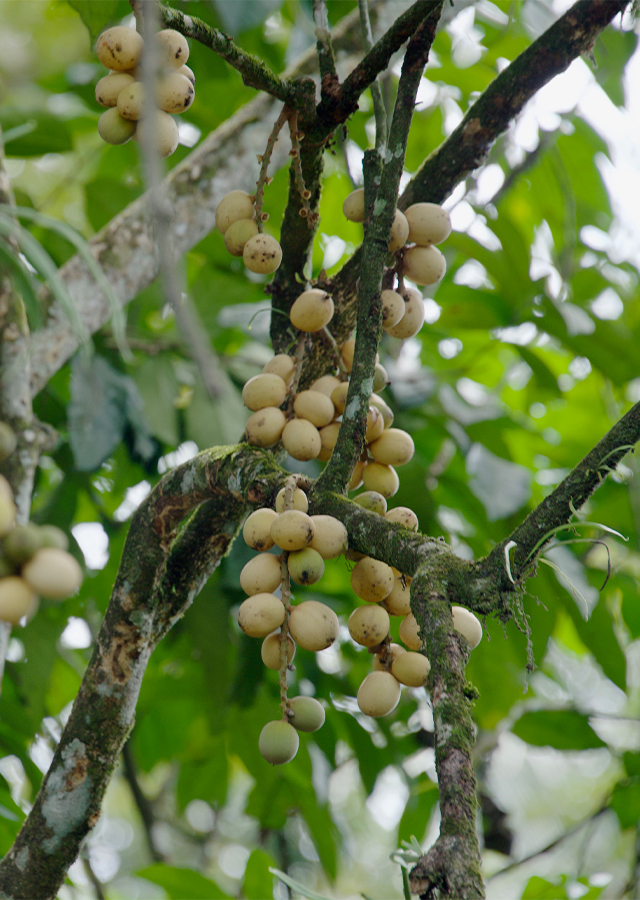
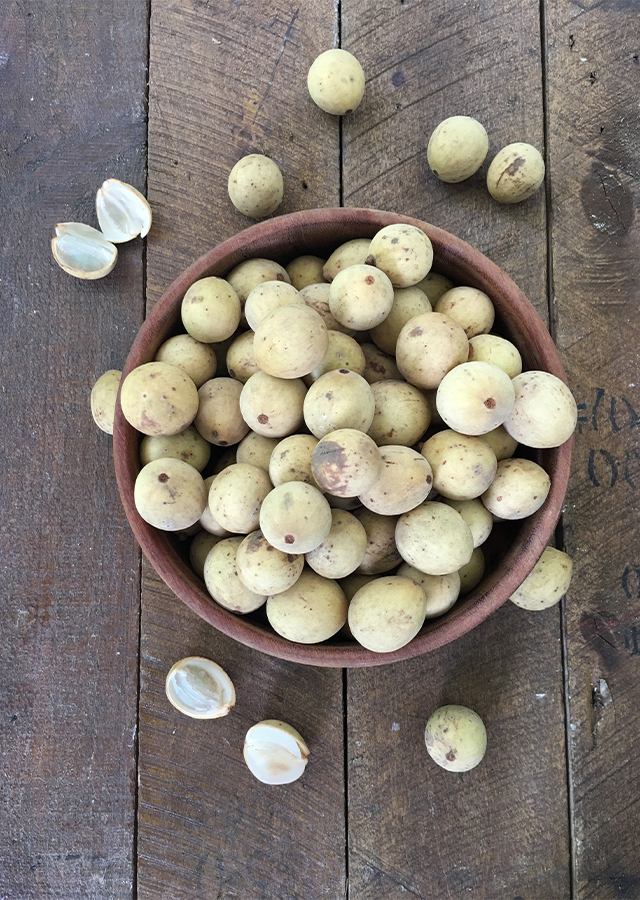
Duku (Lansium domesticum) is a tree up to 5-30 meters tall of the Meliaceae family, native to Southeast Asia, distributed in Thailand, Malaysia, and Indonesia. Its sweet fruit is very popular as a table fruit, while Javanese communities use its wood for house pillars and tool handles. Duku is traditionally believed to support the digestive system and serves as a source of natural whitening extract in cosmetics.
Agroecology
Duku can grow and fruit well in lowlands up to elevations of 600 m above sea level with rainfall of 1,500-2,500 mm/year, soil pH 6-6.5, air temperature 25-35°C. This plant is usually planted in yards.
Morphology
- Root a taproot, anchoring into the ground.
- Stem gray in color, cylindrical in shape, monopodial branching.
- Leaves pinnate venation, glossy surface, short tapering tip, flat edges.
- Flowers located in racemes on the trunk or large branches, small in size, short-stalked, and bisexual.
- Fruit round-shaped, sweet taste.
- Seeds dicotyledonous, oblong-shaped, and somewhat round.
Cultivation
- Propagated generatively (seed), and vegetatively (budding, air layering, and grafting).
- Propagation by seed will bear fruit later, in 8-10 years.
Chemical Content
- Leaves: flavonoid, saponin and triterpenoid.
- Stem: flavonoid, saponin.
- Fresh seeds: 6 tetranortriterpenoids, domesticulide A-E (1-5), triterpenoid, limonoids.
- Fresh fruit rind: essential oil, resin, onoceranoid triterpene.
- Dried fruit rind: oleoresin (essential oil and resin).
Benefits
Maintains digestive system health, source of antioxidants, boosts the immune system, addresses fever, treats worm infections, dysentery, treats scorpion stings, source of natural whitening extract in cosmetics.
Local Names
Known by local names, Lase (Nias), Langsak (Lampung), Lasat (North Sulawesi), Lansa (South Sulawesi), Lasete (Maluku), Celoring (Bali).
Traditional Recipes
The following recipes reflect traditional knowledge passed down through generations, not a substitute for professional medical diagnosis or advice. Consult a healthcare provider before use.
1. Stomach cramps
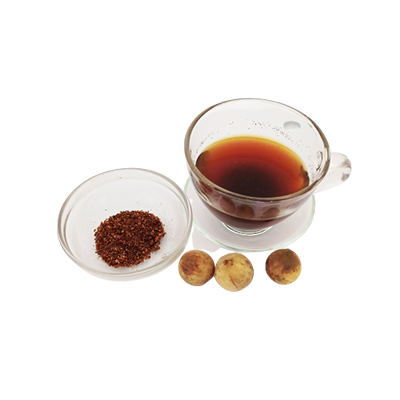
- Roast 5 duku seeds along with their skin until black then pound into powder.
- Steep the duku seed powder with ½ glass of hot water.
- Drink twice a day while warm until the cramping subsides.
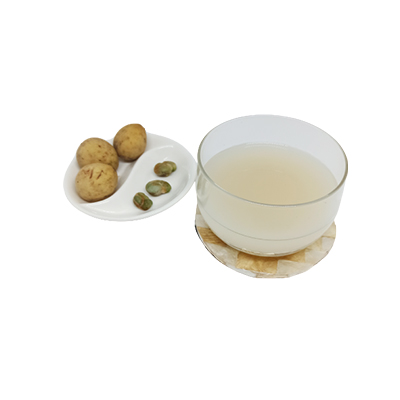
2. Addressing fever
- Take 2-3 duku fruit seeds.
- Pound the seeds until fine then mix with 1 glass of boiled water.
- Drink once a day.
Reference Sources
- Heyne K. 1987. Tumbuhan Berguna Indonesia I. Badan Litbang Kehutanan, Jakarta 659
- Hanum L, Kasiamdari RS. 2013. Tumbuhan Duku: Senyawa Bioaktif, Aktivitas Farmakologis Dan Prospeknya dalam Bidang Kesehatan. J. Biol. Papua 5(2):84-93
- Martha T, Wih WL, Ranti AS, Wasitaatmadja SM, Suryaningsih, Junardy FD, Maily. 2008. Review of Lansium domesticum Corrêa and its use in cosmetics. Boletín Latinoamericano y del Caribe de Plantas Medicinales y Aromáticas 7 (4):183-189. Universidad de Santiago de Chile, Chile.
- Saewan N, Sutherland JD, Chantrapromma K. 2006. Antimalarial tetranortriterpenoids from the seeds of Lansium domesticum Corr. Phytochem. 67(20): 2288-2293