Leptopetalum biflorum (L.) Neupane & N.Wikstr.
Summary
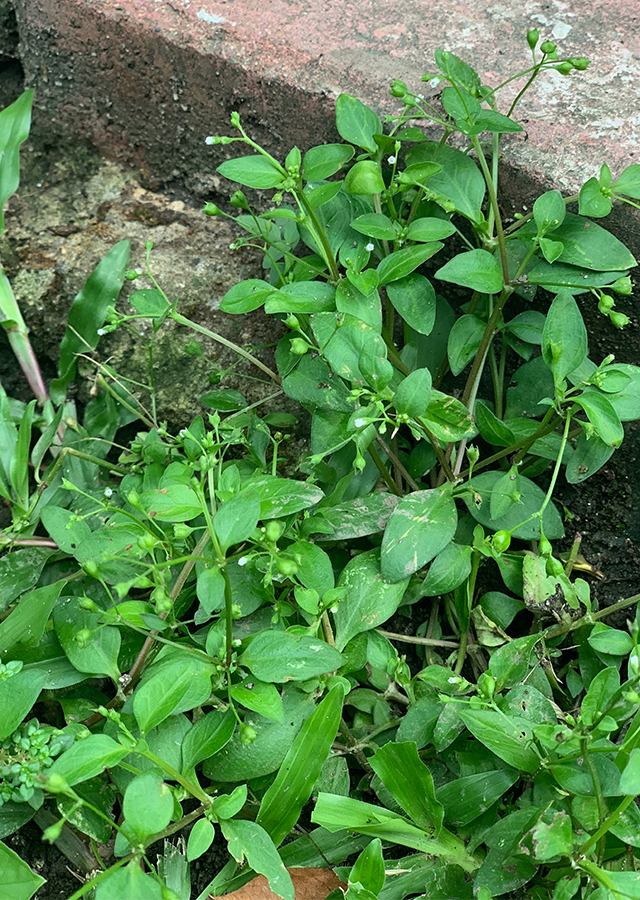
Pisek (Leptopetalum biflorum) is an annual herb up to 15-30 cm tall of the Rubiaceae family, distributed from the Philippines to India and Polynesia. In the Philippines, this plant is pounded for wounds and boiled for diarrhea, while in Vietnam it is used to treat snake bites. Traditional healers in Thailand also use it as an anti-amoebic and fever reducer.
Agroecology
Commonly grows on limestone mountains, coastal areas, grasslands, abandoned land at elevations up to 1,200 m above sea level.
Morphology
- Root a taproot.
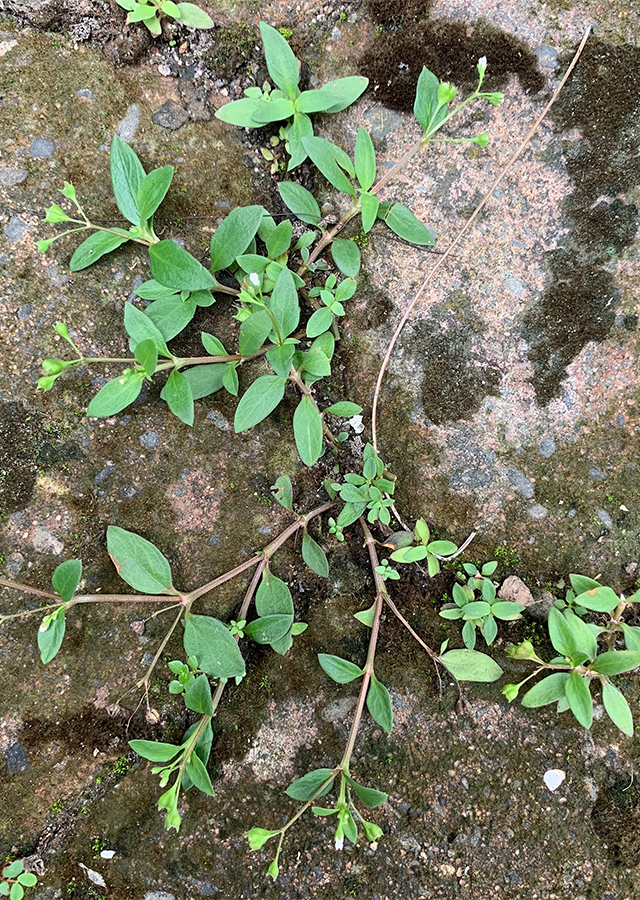
- Stem branched, 4-angled, up to 30 cm tall.
- Leaves round, oblong, elliptical, base of leaf inverted triangle-shaped, tip of leaf tapering, short-stalked, green in color.
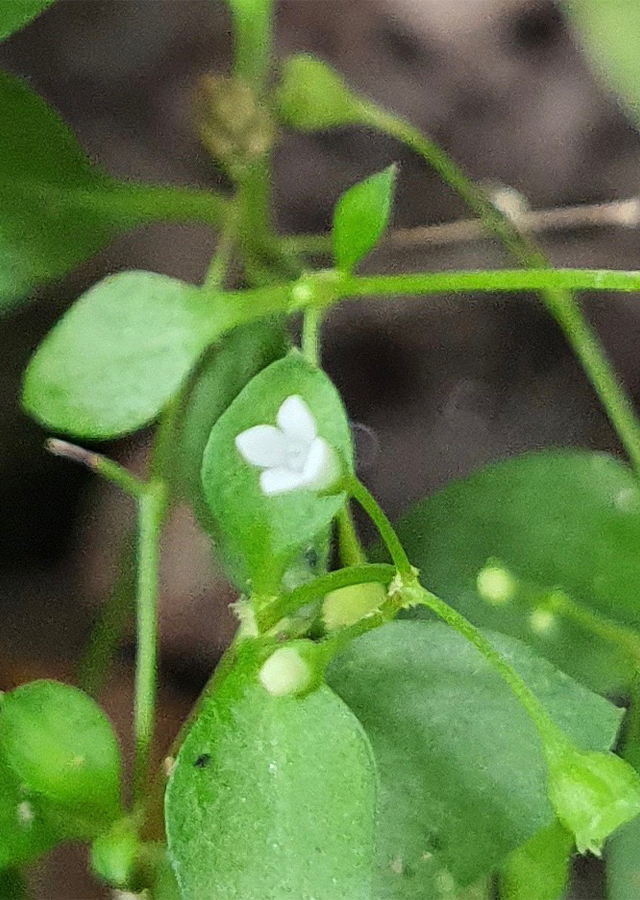
- Flowers stalk length 10-30 mm. Flowers clustered with 3 to 7 flowers in the upper axils, slender stalk. Sepals green, corolla white and small.
- Fruit capsule-shaped.
- Seeds numerous, black and foveolate (having small pits).
Cultivation
- Propagated generatively (using seed).
- Special cultivation is still rarely done because this plant is still considered a weed.
Chemical Content
Alkaloid, tannin, flavonoid, hedyotide B10 and HB11.
Benefits
Treats wounds, fever, stomach ulcers, dysentery, diarrhea, skin disease, has antibacterial activity.
Simplisia
- Take the whole plant and wash thoroughly.
- Air-dry the material without direct sunlight exposure for several days.
- Store the simplisia in a clean, closed container.
Local Names
No information
Traditional Recipes
The following recipes reflect traditional knowledge passed down through generations, not a substitute for professional medical diagnosis or advice. Consult a healthcare provider before use.
1. Treating wounds
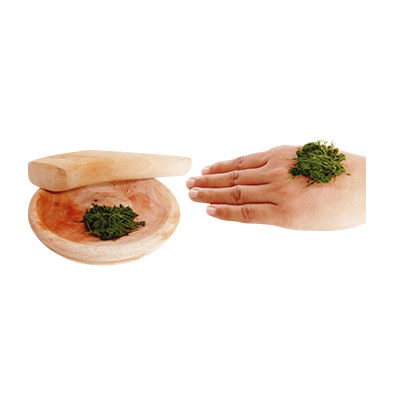
- Wash the whole plant thoroughly as needed.
- Pound into a paste.
- Apply to the injured part of the body.
2. Fever
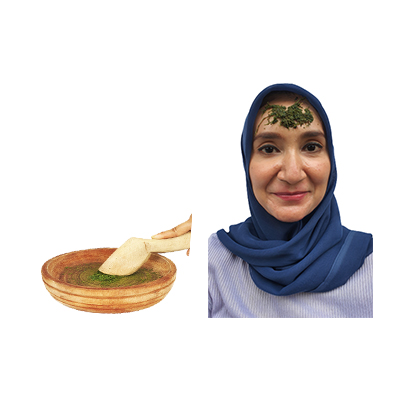
- Prepare the whole pisek plant. Wash thoroughly with running water.
- Pound until mashed.
- Apply to the forehead to reduce fever.
Reference Sources
- P. Sujanaval. 2016. Common Plants of Maldives. Food and Agriculture Organizations of the United Nations and Kerala Forest Research and Institute. Bangkok. Hal 188. https://books.google.co.id/books?id=pBpfDwAAQBAJ&pg=PA188&lpg=PA188&dq=oldenlandia+biflora+to+wounds&source=bl&ots=_z0A9IGoxK&sig=ACfU3U0xaZlzTJ8ta0OAIy6qIajBRlZAbw&hl=id&sa=X&ved=2ahUKEwiLrO6Bpe3rAhWPbSsKHZU0CsQ4FBDoATAJegQICRAB#v=onepage&q=oldenlandia%20biflora%20to%20wounds&f=false
- Stuartxchange. Philippine Medicinal Plants. Pisek. Oldenlandia biflora Linn. http://www.stuartxchange.com/Pisek.html 18-01-2021.
- ThePlantList. A working list of all plant species. Oldenlandia biflora L. http://www.theplantlist.org/tpl1.1/record/kew-138248 29-01-2021