Manilkara zapota (L.) P.Royen
Summary
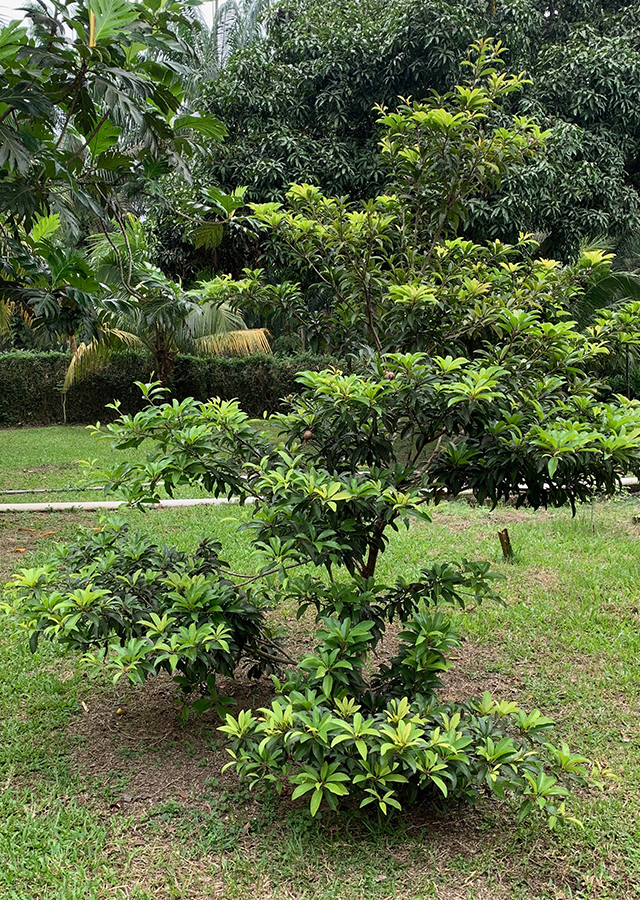
Sapodilla (Manilkara zapota) is a tree 5-20 meters tall of the Sapotaceae family, native to tropical America, including Guatemala, Mexico, and the West Indies, before spreading to the Philippines and Southeast Asia. Its sweet, soft-fleshed fruit now has germplasm collections in countries from the Philippines to Brazil. Traditionally, sapodilla is believed to aid digestion, relieve canker sores, and support eye health.
Agroecology
Widely grown in lowlands up to an elevation of 2,500 m above sea level, in wet to dry climates between 1,250-2,500 mm/year. Able to adapt to various temperatures between 22-32°C, needing adequate sunlight, tolerant of shade. Favors sandy loam soil, well-drained, with a pH of 6-7.
Morphology
- Trunk rough texture, grayish to dark brown, containing latex sap.
- Leaves simple, green.
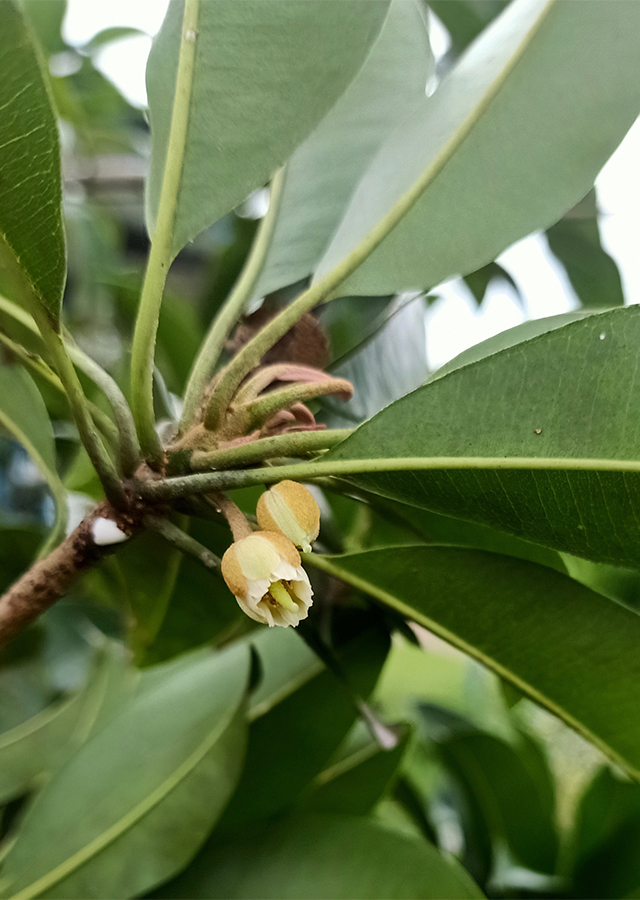
- Flowers emerge in the leaf axils, hanging, brown-hairy on the outer surface. Each cluster contains six.
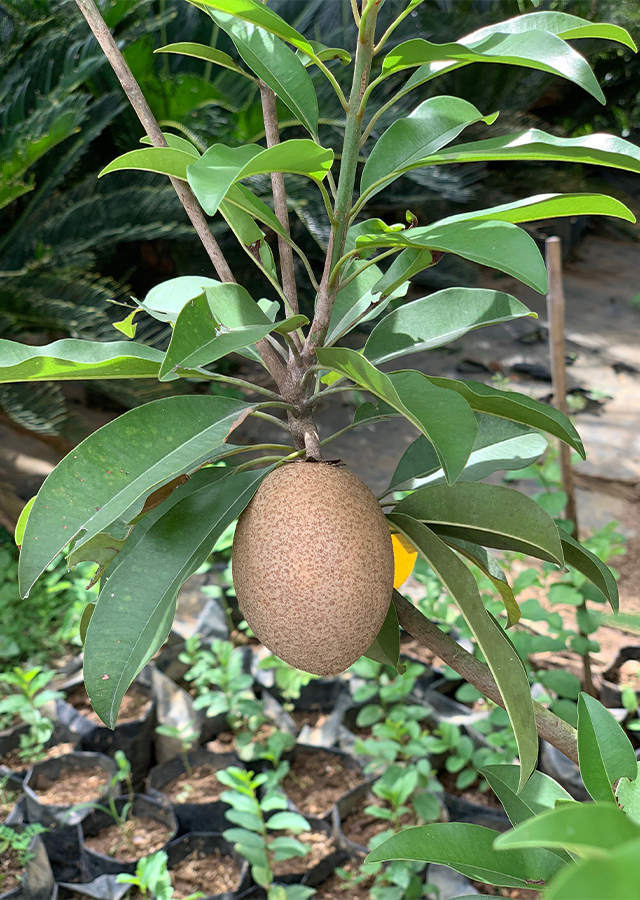
- Fruit ovate to oblong. Young fruit has dark brown, scaly skin, latex-bearing flesh. Mature fruit is light brown, smooth surface, light brown flesh.
- Seeds blackish-brown, oblong-flat shape and glossy.
Cultivation
- Propagated generatively (by seed) and vegetatively (by air layering of stem or branch).
- Seeds: seeds are washed thoroughly, sun-dried for 12 hours, then stored for 2 weeks before sowing. After about 2 weeks, shoots will grow. Seedlings 4-6 months old can be transplanted to the field.
- Air layering: select a stem 4-6 months old.
- Fruit is generally harvested after the plant is 1-2 years old.
Chemical Content
Tannins, flavonoids, folic acid, potassium, phosphorus, saponins, phenolic acid, hydroxybenzoic acid, flavanols.
Benefits
Aids digestion and treats constipation, canker sores, inflammation, diarrhea; supports the immune system; boosts energy; supplies the body with fluids; anticancer; supports eye health; strengthens bones; reduces the risk of blood vessel damage.
Simplisia
- Wet-sort and wash sapodilla fruit thoroughly under running water. Slice thinly to facilitate drying.
- Dry on a drying rack. Once dry, dry-sort to remove other unwanted material.
- Grind the material using a blender into a powder.
Local Names
Sawo, Sauh manila, Ciku.
Traditional Recipes
The following recipes reflect traditional knowledge passed down through generations, not a substitute for professional medical diagnosis or advice. Consult a healthcare provider before use.
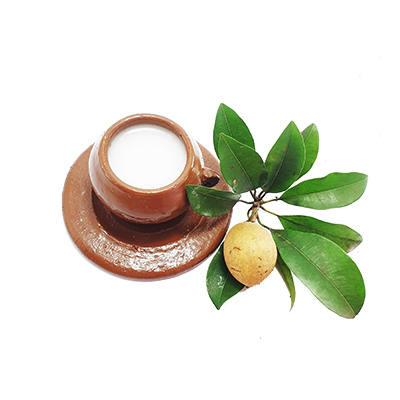
1. Diarrhea
- Collect the sap from young fruit. Take 15 drops of the fruit sap and steep in ½ cup of hot boiled water.
- Drink the mixture all at once.
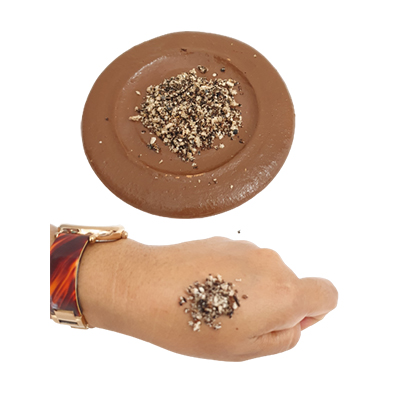
2. Treating Wounds from Venomous Animal Bites or Stings
- Collect a sufficient amount of sapodilla seeds.
- Pound the seeds until mashed.
- Apply to the affected area.
Reference Sources
- Ma J, Luo XD, Protiva P, Yang H, Ma C, Basile MJ, Weinstein IB, Kennelly EJ. 2003. Bioactive Novel Polyphenols from the Fruit of Manilkara zapota (Sapodilla). J. Nat. Prod. 66(7): 983-986.
- Pientaweeratch S, Panapisal V, Tansirikongkol A. 2016. Antioxidant, anti-collagenase and anti-elastase activities of Phyllanthus emblica, Manilkara zapota and silymarin: an in vitro comparative study for anti-aging applications. J. Pharm. Biol. 54(9): 1865-1872.
- Pravin, KP, Shashikant DC. 2019. Manilkara zapota (L.) Royen fruit peel: a phytochemical and pharmacological review. Sys. Rev. Pharm. 10(1): 11-14.
- Badan penelitian dan pengembangan kesehatan. 2001. Inventaris tanaman obat indonesia (I) jilid 2; Diare. DEPKES.
- Sapodilla Facts; mengobati luka dari gigitan hewan berbisa atau sengatan serangga. https://www.healthbenefitstimes.com/sapodilla-facts/ 15-08-2020
- National Parks. Flora & Fauna Web. Manilkara zapota. https://www.nparks.gov.sg/florafaunaweb/flora/3/0/3014 25-01-2021