Medicago sativa L.
Summary
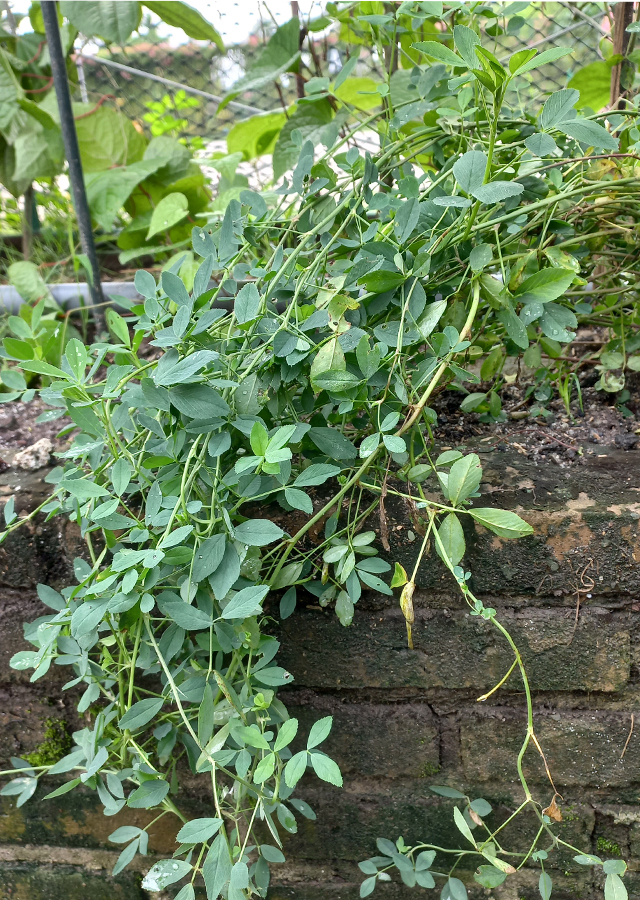
Alfalfa (Medicago sativa) is a perennial herb up to 60 cm tall of the Fabaceae family, nicknamed 'father of all foods' in Arabic, thought to originate from Iran and used as livestock feed since Roman times. Its sprouts and young leaves are rich in vitamins and protein, commonly added to salads. Alfalfa is traditionally believed to be diuretic and to help address joint inflammation.
Agroecology
Alfalfa is a plant from temperate to subtropical zones of Europe, Asia and North Africa, where it is found up to elevations of 4,000 meters. Grows best in areas where annual daytime temperatures are in the range of 21-27°C, prefers average annual rainfall in the range of 600-1,200 mm, but tolerates 350-2,700 mm. Grows best in sunny places, but tolerates bright shade, thrives in fertile, loose, well-drained loamy soil/does not tolerate waterlogging, with a loose topsoil layer supplied with lime. Prefers a pH in the range of 6.5-7.5. This plant has a deep taproot and, once established, tolerates drought and very dry conditions, although it will become dormant in severe drought. Alfalfa's habitat is in grasslands but can also be found in the wild in rural and urban areas, near rivers and forests, areas along roadsides and railways, in abandoned fields, vacant land, waste areas.
Morphology
- Root a very deep taproot.
- Stem creeping upright from a woody base and has many branches.
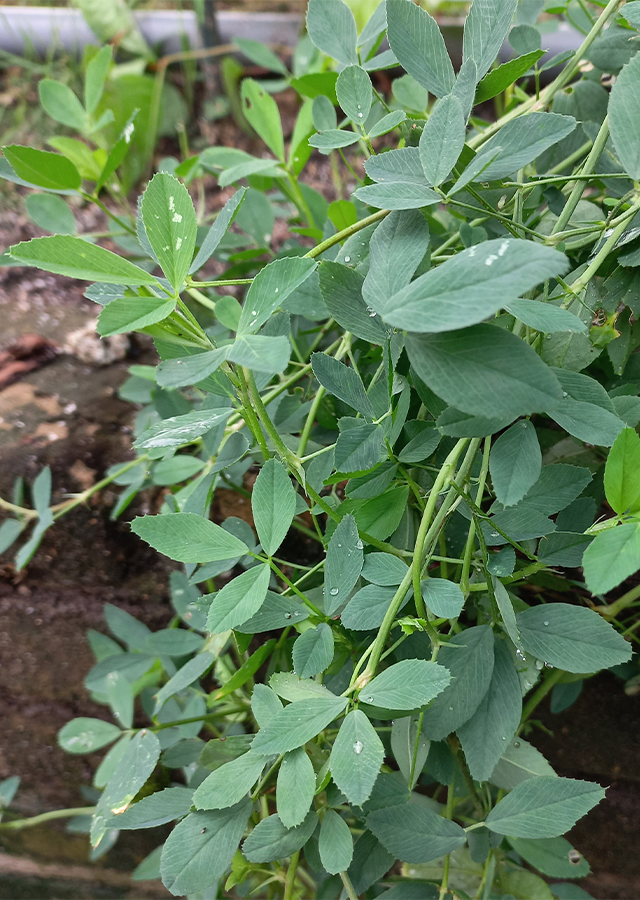
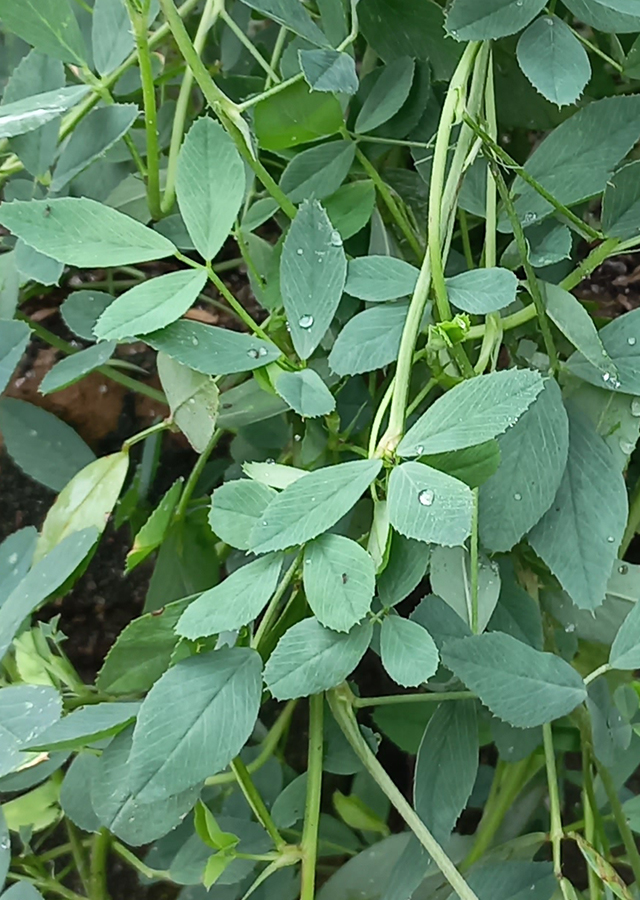
- Leaves in one trifoliate leaf stalk, leaf length 5-15 mm, oblong to round or ovate shaped, flat leaf surface, hairy underside, hairy petiole.
- Flowers in a dense raceme, containing 10-35 flowers, purple or blue corolla, rarely white.
- Fruit a pod coiled into 2-5 coils, with a diameter of 3-10 mm, each pod containing 2-6 seeds.
- Seeds yellow to brown in color, kidney to ovate shaped, 1-2.5 mm.
Cultivation
Alfalfa's generative propagation uses seed. Before sowing, seeds are soaked in warm water for 12 hours.
Chemical Content
Acids (lauric, maleic, malic, malonic, myristic, oxalic, palmitic, quinic), alkaloid (stachydrine, homostachydrine), amino acids (arginine, asparagine, cystine, histidine, isoleucine, leucine, methionine, tryptophan, valine), non-protein amino acid canavanine, coumarin (medicagol), isoflavonoid (coumestrol, biochanin A, genistein), saponin, steroid (campesterol, cycloartenol, β-sitosterol), flavonoid (naringenin, apigenin, quercetin, myricetin, and daidzein), phenolate (gallic acid, pyrogallol, salicylic acid, and caffeic acid).
Benefits
Increases energy, as a diuretic, treatment of bladder problems, diabetes, dyspepsia, asthma, diuresis, kidney and vesicular swelling, and lung disease, treats boils, treats joint inflammation, natural therapy for cancer, also used for menopause problems, fatigue, improves digestive system, addresses insect bites.
Simplisia
- Prepare fresh alfalfa then wash thoroughly with running water then drain.
- Dry in direct sunlight for several days or with an oven at 40°C until moisture content reaches 10%.
- Store the simplisia in a clean, airtight plastic or container.
Local Names
No information found. Further research needed.
Traditional Recipes
The following recipes reflect traditional knowledge passed down through generations, not a substitute for professional medical diagnosis or advice. Consult a healthcare provider before use.
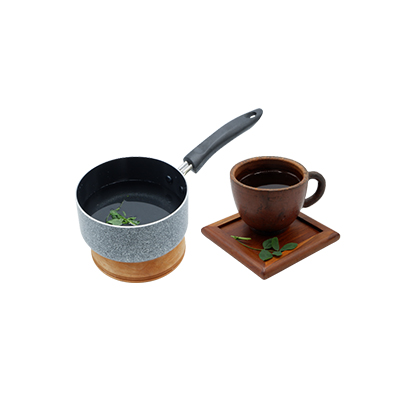
1. Improving digestive system
- Take alfalfa leaves as needed, wash thoroughly.
- Boil the leaves until boiling.
- Strain the decoction.
- Drink.
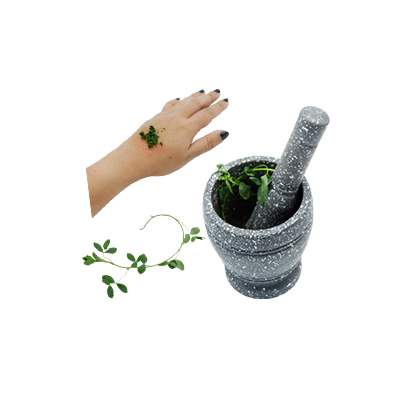
2. Addressing insect bites
- Prepare alfalfa leaves then wash with running water until clean.
- Grind the leaves into a paste.
- Apply the leaf paste to the insect bite wound.
Reference Sources
- Stuartxchange. 2020. Philippine Medicinal Plants: Galeria. http://www.stuartxchange.org/Galeria. 01-09-2021.
- Useful Tropical Plants Database. 2021. Medicago sativa. http://temperate.theferns.info/plant/Medicago+sativa. 01-09-2021.
- Royal Botanic Gardens. 2017. Plants of the World Online: Medicago sativa L. http://powo.science.kew.org/taxon/urn:lsid:ipni.org:names:30234961-2. 01-09-2021.