Melissa officinalis L.
Summary
Lemon balm (Melissa officinalis) is a herb up to 1 meter tall of the Lamiaceae family, native to the Eastern Mediterranean and Central Asia, now also cultivated in the highlands of Java and the Philippines. Its fresh, aromatic leaves are commonly used as a cooking seasoning as well as a traditional nerve-calming remedy. Lemon balm is also believed to promote menstruation, relieve insomnia, and help address herpes simplex.
Agroecology
Grows well in sandy clay soil, well-drained, with a soil pH of 5-7. Lemon balm requires an air temperature of 15-35°C, rainfall of 500-600 mm/year, and full sun or bright shade during summer.
Morphology
- Roots thin and fibrous.
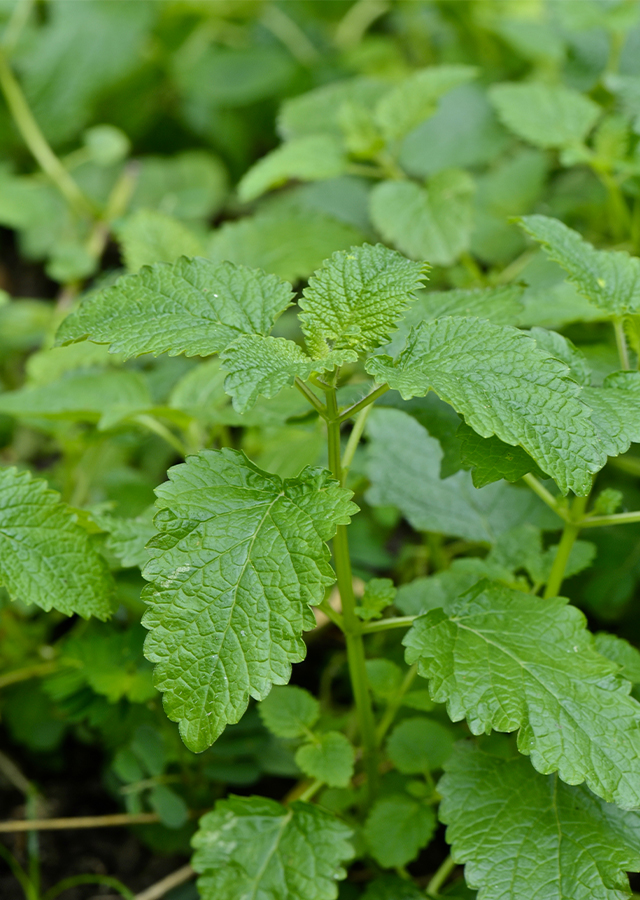
- Stem light green, 4-angled, with a single groove along each side, branched. Finely hairy, dense at the nodes.
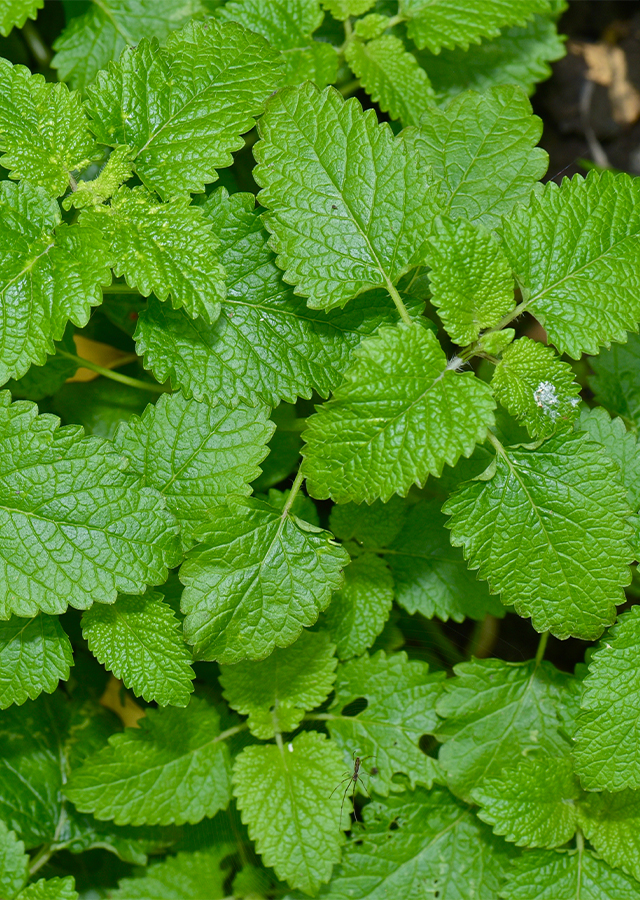
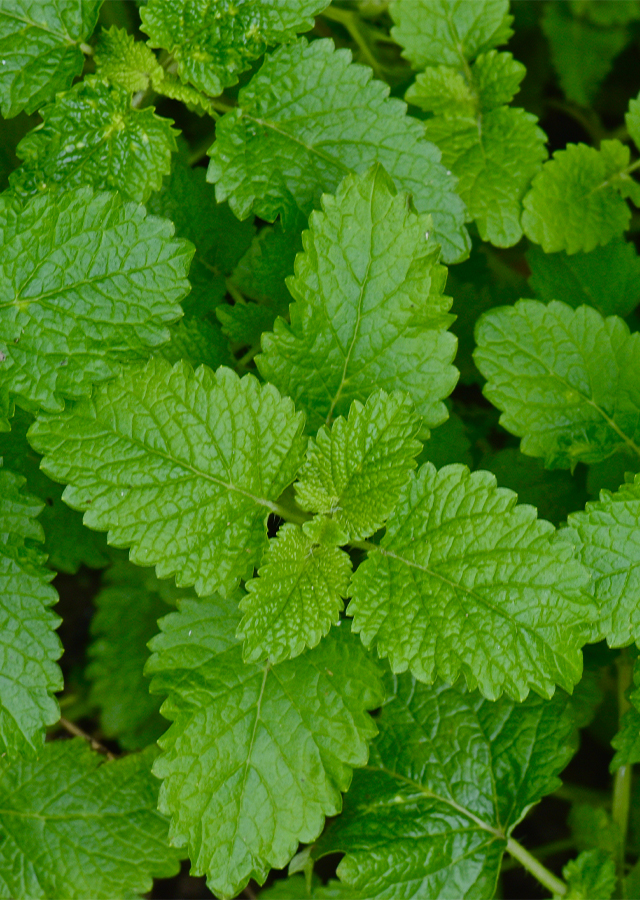
- Leaves heart-shaped, rough surface, veined, toothed margins, lemon-scented when crushed.
- Flowers have 4 stamens, white tube- and bell-shaped corolla. Calyx pale green, 5-toothed, angular, trumpet-shaped, and finely hairy.
Cultivation
- Propagated generatively (by seed) and vegetatively (by stem cuttings).
- Cuttings are taken from young apical shoots; after cutting, they are placed in water. Once roots emerge after about 2 weeks, they can be transplanted to loose soil.
Chemical Content
Rosmarinic acid, quercetin, caffeic acid, chlorogenic acid, methylate acid, flavonoids (luteolin, apigenin), sesquiterpenes, beta-caryophyllene, germacrene, triterpenes, essential oil, polyphenols, dehydroabietane.
Benefits
Calms the nerves; promotes menstruation; reduces insomnia; treats diabetes; helps prevent cancer; treats herpes simplex; eases headache and toothache; reduces inflammation and pain; has antiviral and antibacterial activity.
Simplisia
- Pick fresh lemon balm leaves.
- Wash the material thoroughly, then drain.
- Air-dry the leaves for several days or use an oven at 40°C until reaching a moisture content of 10%.
- Once dry, store in a clean, airtight container.
Local Names
Balm mint, Sweet balm, Mon balm
Traditional Recipes
The following recipes reflect traditional knowledge passed down through generations, not a substitute for professional medical diagnosis or advice. Consult a healthcare provider before use.
1. Headache
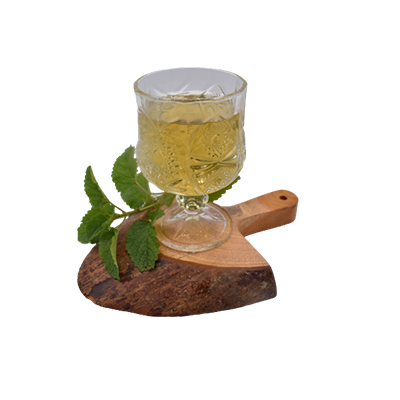
- Prepare 7-9 lemon balm leaves.
- Steep in 1 cup of hot water, cover, and let sit for 3 to 4 minutes.
- Strain and drink while warm, 3 times a day.
Reference Sources
- Ashori A, Yahya H, Fatemeh A. 2010. Lemon balm (Melissa officinalis) stalk: chemical composition and fiber morphology. J. Polym. Environ 19(1):297-300.
- Airey Raje. 2001. 50 Rahasia Alami Mengobati Sakit Kepala. Erlangga, Jakarta.
- ThePlantList. A working list of all plant. Melissa officinalis L. http://www.theplantlist.org/tpl1.1/record/kew-124103. 21-01-2021.
- Illinoiswildflowers.info. Lemon Balm (Melissa officinalis). https://www.illinoiswildflowers.info/weeds/plants/lemon_balm.html. 21-01-2021.