Mentha spicata L.
Summary
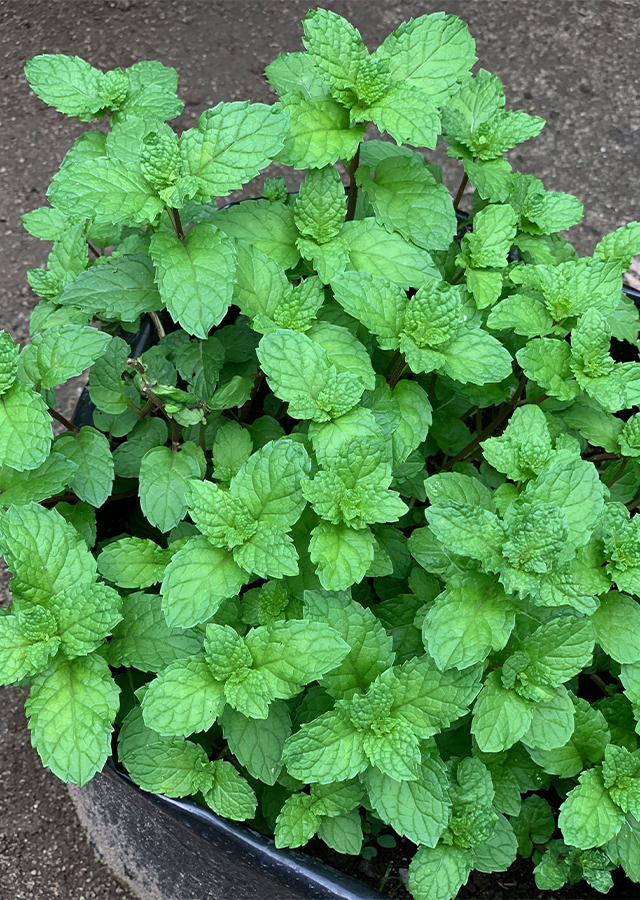
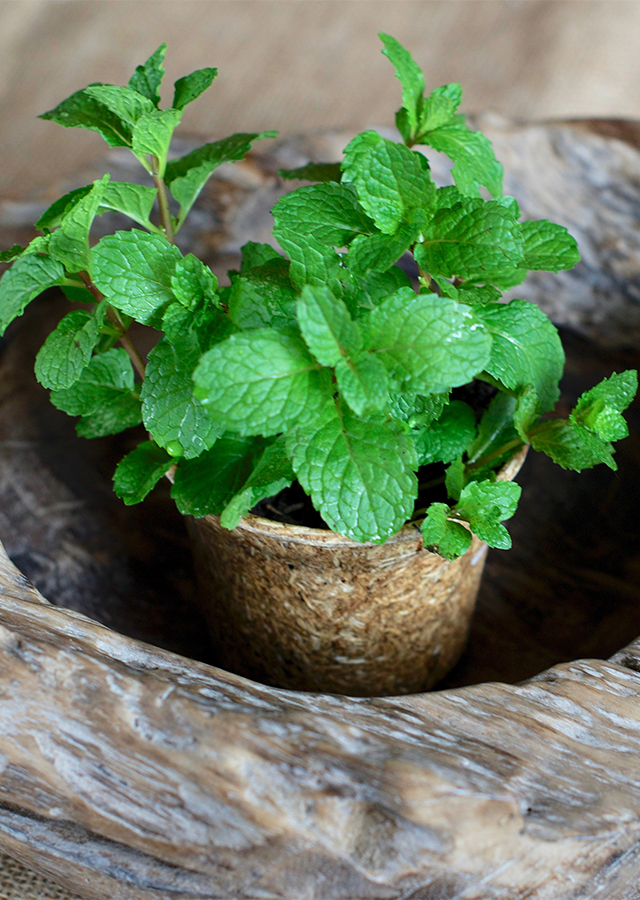
Mint leaves (Mentha spicata) are a herb up to 30-100 cm tall of the Lamiaceae family, native to Europe and the Middle East, now popular worldwide. Its refreshing flavor makes it a mix for salads, candy, ice cream, and toothpaste. Mint leaves are traditionally used to relieve digestive problems, headaches, and respiratory tract disorders.
Agroecology
Spearmint can be found in swamps or streams, where the soil is sandy or clayey. It ideally prefers deep, well-drained soil, moist, rich in nutrients and organic matter, with a crumbly texture, growing in full sun to partial shade. pH range between 6.0 and 7.5.
Morphology
- Root a white taproot.
- Stem square-shaped, purple, green, and hairy.
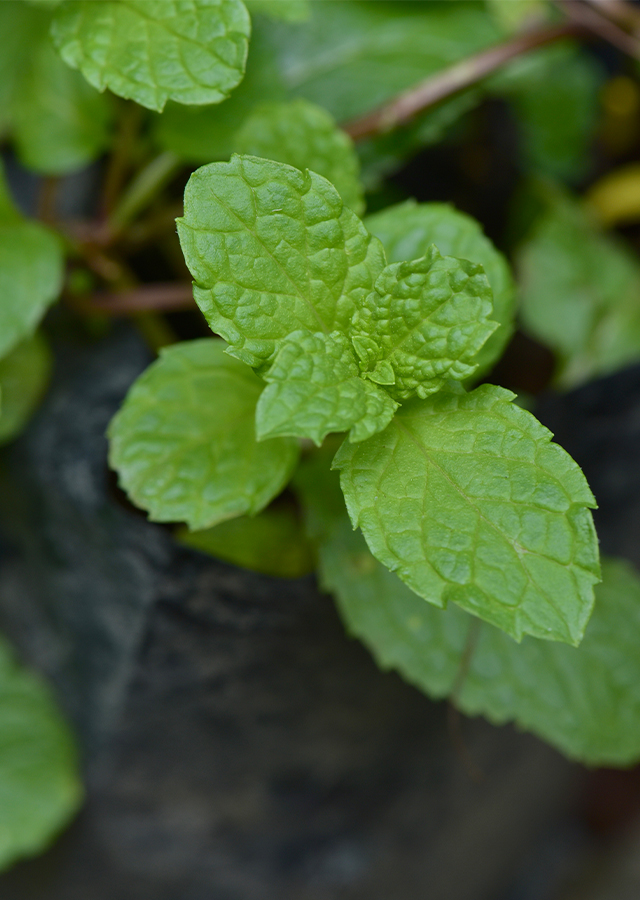
- Leaves single, elliptical, rounded tip, decussate opposite, serrated edges. Purplish-green in color, hairy surface, sharp aroma.
- Flowers in slender spikes, each flower pink and white in color.
- Seeds relatively large, 0.62-0.90 mm in size.
Cultivation
- Propagated using stem cuttings. Seeds are rarely obtained because flowering is difficult.
- The right planting time is December-January.
Chemical Content
β-carotene, β-sitosterol, borneol, ethanol, eugenol, geraniol, menthol, methionine, niacin, thiamine, essential oil (carvone, limonene, cineole, β-pinene).
Benefits
Treats digestive problems, colds and flu, headaches, fades dark eye circles, relieves fatigue, addresses respiratory tract problems, hemorrhoids and stomach ache, has carminative, antispasmodic (muscle relaxant), diuretic (increases urine output), antibacterial activity, antioxidant agent.
Simplisia
- Pick fresh mint leaves, then wash thoroughly using running water.
- Dry the leaves in the sun.
- Store the dried material in a clean, closed container.
Local Names
Known as, Garden mint, Pudina.
Traditional Recipes
The following recipes reflect traditional knowledge passed down through generations, not a substitute for professional medical diagnosis or advice. Consult a healthcare provider before use.
1. Stomach soother
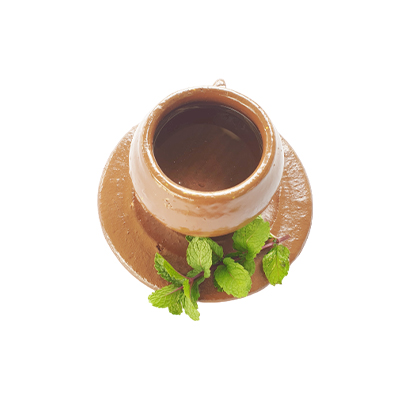
- Boil 10 g fresh mint herb with 1 glass of water for 15 minutes. Once cool, squeeze and strain the concoction.
- Add 5 g brown sugar to the concoction, drink all at once.
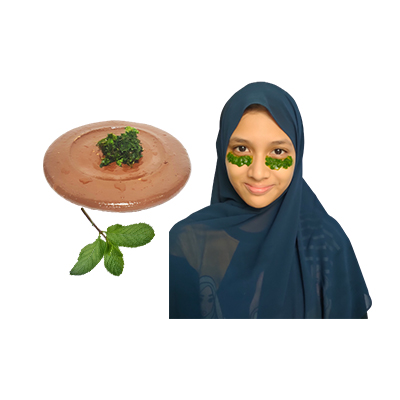
2. Fading dark eye circles
- Prepare mint leaves as needed.
- Grind into a paste, can add water to make it mashed.
- Apply under the eyes.
Reference Sources
- Badan Penelitian Dan Pengembangan Kesehatan. 2001. Inventaris tanaman obat indonesia(I) jilid 2; Pelega perut. Depkes.
- Healthbenefitstime.com. Mint. https://www.healthbenefitstimes.com/mint/ 15-08-2020 (Memudarkan Mata panda).
- NCBI. Mentha spicata Essential Oil: Chemical Composition, Antioxidant and Antibacterial Activities against Planktonic and Biofilm Cultures of Vibrio spp. Strains. https://www.ncbi.nlm.nih.gov/pmc/articles/PMC6332415/ 20-01-2021.