Metroxylon sagu Rottb.
Summary
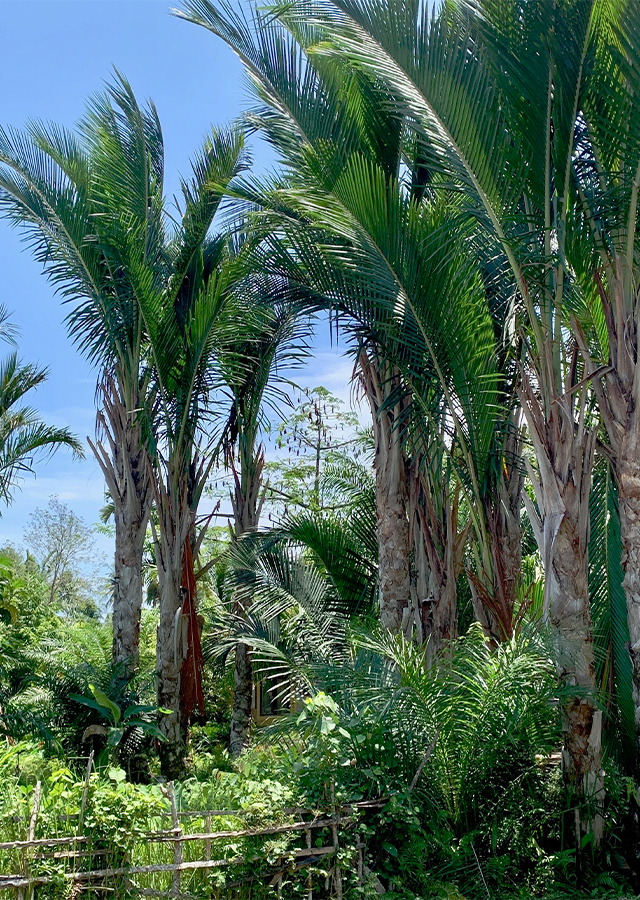
Sago palm (Metroxylon sagu) is a palm up to 16-20 meters tall of the Arecaceae family, native to Southeast Asia, believed to originate from Papua or Maluku. Its trunk is an important carbohydrate source in eastern Indonesia, while its leaves are used for traditional roofing and walls. Sago palm is also believed to help lower hypertension and maintain immunity.
Agroecology
Generally found in swamps, peat soil, riverbanks, near lakes, and wetlands. Grows in lowlands up to elevations of 700 m above sea level, rainfall 2,500-3,000 mm/year, optimal temperature 24.50-29°C. Prefers volcanic, latosol, andosol, and podzolic soil types rich in organic matter with a soil pH range of 5.5-6.5.
Morphology
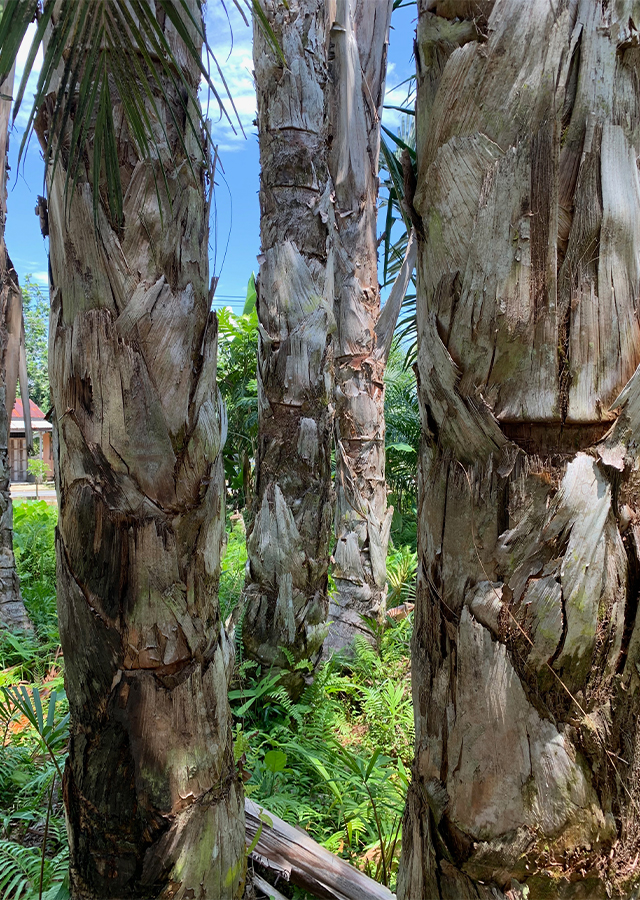
- Stem cylindrical, large containing starch and the stem is unbranched.
- Leaves elongated (lanceolate) shape resembling coconut leaves, leaf sheath or widening petiole base. Leaf edges sharp and curl inward. Leaves yellowish-green in color.
- Flowers compound, arranged in a dense panicle, small, reddish-brown.
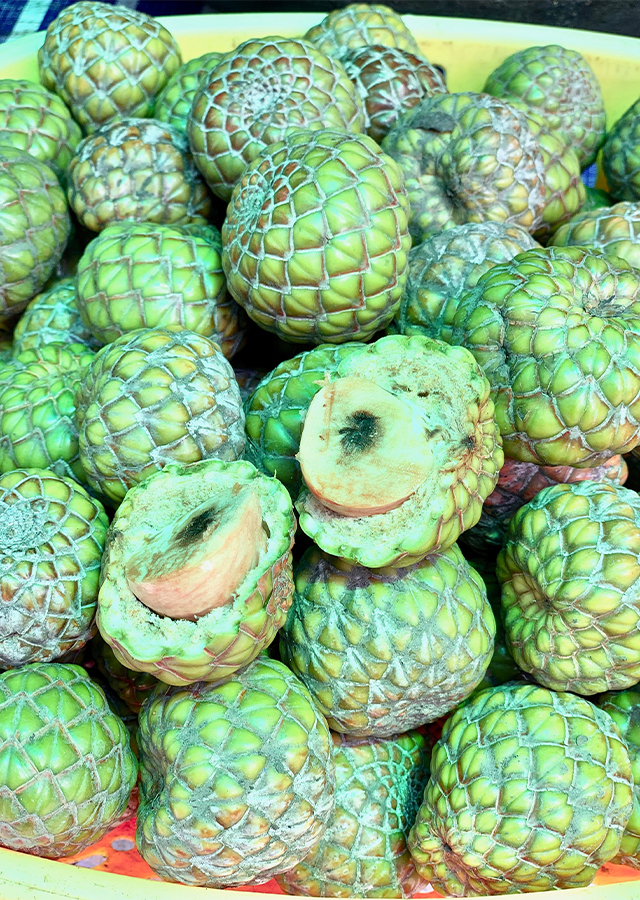
- Fruit scaly, yellowish-brown, ovate like a flattened ball. Mature fruit ivory-yellow in color.
Cultivation
- Generative propagation (seed) comes from mature fruit. Once sown, seedlings can be transplanted at 6-12 months after planting.
- Vegetative propagation, from offsets attached to the base of the parent stem.
- Square planting distance of 8 x 8 m or 9 x 9 m, optimum population 150 plants/ha.
Chemical Content
Alkaloid, flavonoid, tannin, phenolic, starch.
Benefits
Hypertension, antibacterial, diarrhea, antioxidant, improves blood circulation, headache, maintains immunity, headache, treats burns, spleen remedy, diet.
Local Names
Known by local names Kirai (Sunda), Ambulung kersulu (Java), Lapia (Ambon).
Traditional Recipes
The following recipes reflect traditional knowledge passed down through generations, not a substitute for professional medical diagnosis or advice. Consult a healthcare provider before use.
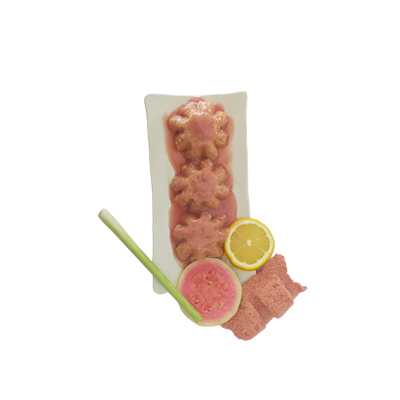
1. Low-calorie diet pudding
- Prepare 200 g ambon sago, soak for 2 hours, 1 tsp lemon peel, 1 egg white, 600 ml coconut milk, 60 g palm sugar, 1 lemongrass stalk (bruised).
- Sauce: 200 g red guava sliced small, 2 tbsp chopped ginger, 100 ml boiled water, 50 g sugar.
- Grease the mold with cooking oil. Mix coconut milk, sugar, lemongrass, and orange peel, cook while stirring until thick and clear. Remove, take out the lemongrass from the sago.
- Beat egg white until stiff, slowly fold into the sago mixture while stirring evenly. Pour into the mold, and let cool and set (10-15 pieces). Remove from the mold. Sauce: blend the guava with a blender, cook over low heat with the ginger, water, and sugar. Serve the pudding with the sauce (calorie count per piece 115 calories).
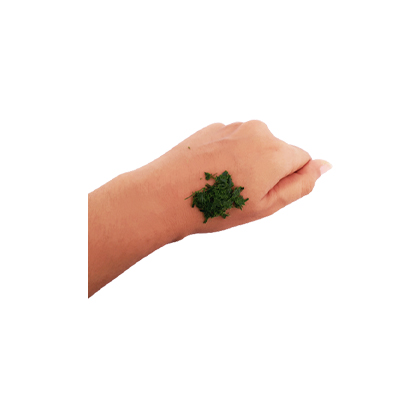
2. Wounds
- Take sago palm leaves as needed, wash thoroughly.
- Pound the leaves until fine.
- Apply to the wounded area.
Reference Sources
- Tim ide masak. 2011. Resep puding favorit sehat dan lezat dibawah 300 kalori. Gramedia pustaka utama. (Puding Diet Rendah Kalori).
- Stuartxchange. Philippine Medicinal Plants. Sagu. Metroxylon sagu Rottb. http://www.stuartxchange.org/Sagu.html 18-07-2020 (Luka)