Mikania micrantha Kunth
Summary
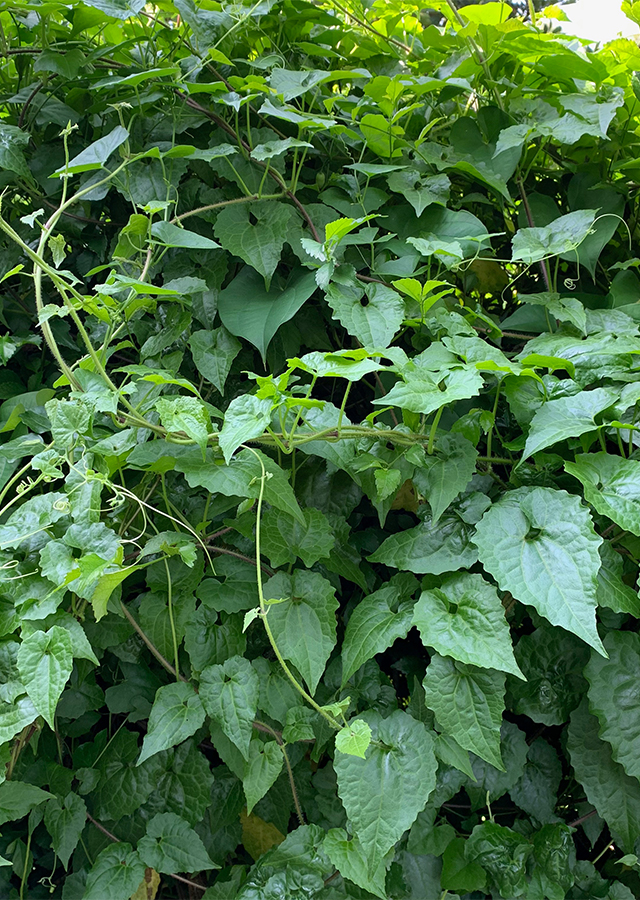
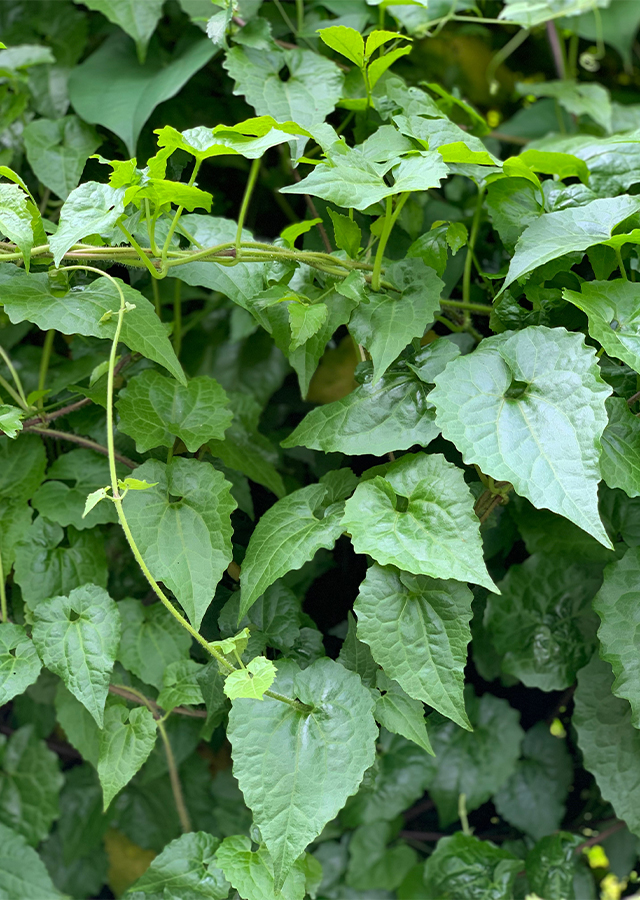
Sembung rambat (Mikania micrantha) is a climbing plant up to 3-6 meters long of the Asteraceae family, originating from South and Central America, known as a fast-spreading weed. In various countries this plant is used as animal feed, while in Africa its leaves are routinely eaten as a vegetable. Sembung rambat is also traditionally believed to relieve jaundice, fever, and rheumatism.
Agroecology
Generally found in secondary forests, mountain slopes, riverbanks, roadsides, grasslands and cultivated land up to elevations of 1,600 m above sea level. Grows well in tropical and subtropical regions with high soil humidity.
Morphology
- Stem diameter 2 cm, finely hairy, distance between nodes 5-20 cm.
- Leaves heart or triangular egg shaped, opposite, tapering tip, serrated edges, sized 2-13 cm x 3-10 cm, smooth surface.
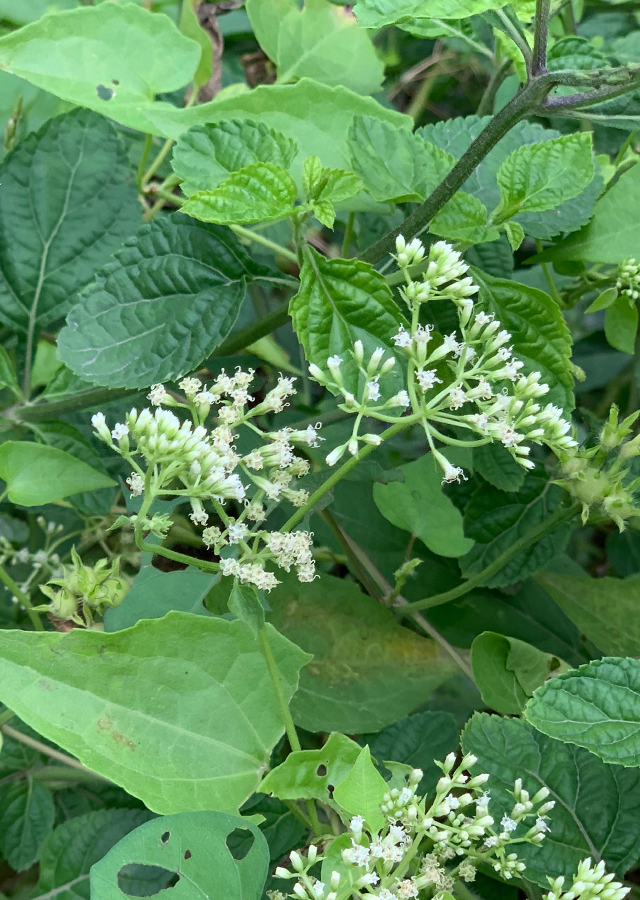
- Flowers arranged in a panicle shape, white, emerging at leaf axils and branch tips.
- Fruit blackish-brown in color.
Cultivation
Propagated generatively (by seed) and vegetatively (stem cuttings).
Chemical Content
- Alkaloids, flavonoids, saponins, steroids, glycosides, phenolic, tannins, amino acids, deoxymikanolide, scandenolide, dihydroscandenolide, mikanolide, dihydromikanolide, methoxy benzoic acid.
Benefits
Treats jaundice, fever, flu, dysentery, rheumatism, headache, respiratory illness, scorpion stings, wounds and diabetes mellitus.
Simplisia
- Wet-sort sembung rambat leaves then wash with running water.
- Air-dry the leaves in a place away from direct sunlight for ± 10 days until the leaves are dry
- Grind the dried leaves using a blender then store in an airtight plastic/bag.
Local Names
Blukar (Sumatra), Brojo Lego (Java), Hila Hitu Lama (Ambon), Akar Bulou (Kalimantan), Caputuheun (Sunda), Siroppaspara (South Tapanuli).
Traditional Recipes
The following recipes reflect traditional knowledge passed down through generations, not a substitute for professional medical diagnosis or advice. Consult a healthcare provider before use.
1. Treating Wounds
- Prepare an adequate amount of sembung rambat leaves
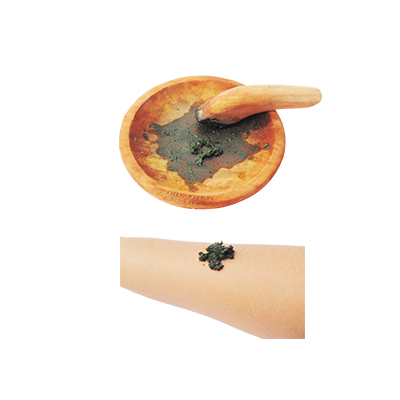
- Mash or pound an adequate amount of leaves, then apply to the wounded body part.
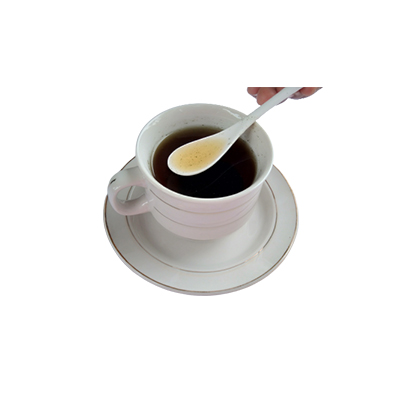
2. Treating Stomach Pain and Cleansing the Uterus
- Wash an adequate amount of the whole plant thoroughly then slice. Air-dry.
- Take 1-2 g of dried sembung rambat tea powder. Steep with 1 cup of hot water. Let it sit until warm. Drink.
Reference Sources
- PROSEA. 2020. Mikania micrantha. https://uses.plantnet-project.org/en/Mikania_(PROSEA). 23-08-2020.
- Dev UK, Hossain MT, Islam MZ. 2015. Phytochemical investigation, antioxidant activity of Mikania micrantha leaves. World Journal of Pharmaceutical Research 4(5): 121-133.
- Raka SC, Mishu SA, Rahman MM, Rahman A. 2019. Assesment of phytochemical, cytotoxic, anthelhelmic, and thrombolic activity of Mikania micrantha leaves: Anew addition in phytomedicine 1:77-86.
- Li Y, Li J, Li Y, Wang XX, Cao AC. 2013. Antimicrobial constituents of the leaves of Mikania micrantha H. B. K. PLoS One. 8(10): e76725.
- Tropical Plants Database, Ken Fern. tropical.theferns.info. Mikania micrantha. http://tropical.theferns.info/viewtropical.php?id=Mikania+micrantha. 12-06-2020.