Moringa oleifera Lam.
Summary
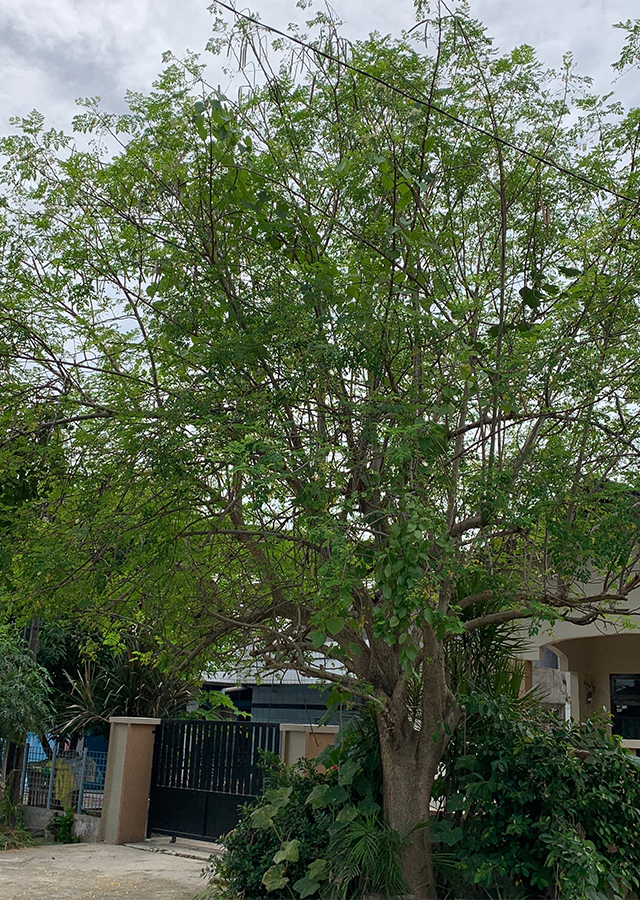
Kelor or moringa (Moringa oleifera) is a tree 7-11 meters tall of the Moringaceae family, originating from the foothills of the Himalayas in northwestern India, now spread to East Africa and South America. Its nutrient-rich leaves are commonly eaten as a vegetable, while its seeds purify water and its bark produces fiber for rope. Kelor is traditionally believed to be anti-inflammatory and help address anemia and gout.
Agroecology
Grows at elevations of less than 600-1,000 m above sea level, and thrives in tropical and subtropical regions with rainfall between 250-3,000 mm/year, temperature range 25-48°C. Drought-tolerant and can survive up to 6 months.
Morphology
- Roots taproot, white in color.
- Stem woody (lignose), upright, dirty white, rough surface. Sympodial branching, branch direction upright or slanted, tends to grow straight and elongated.
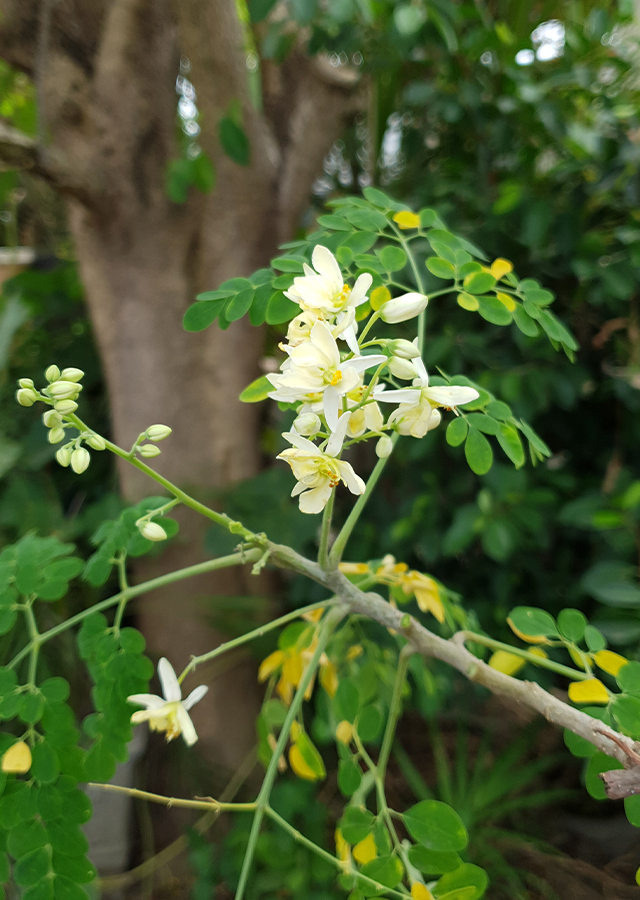
- Leaves compound, pinnate venation, long-stalked, arranged alternately.
- Flowers compound, panicle-shaped, located at leaf axils, 10-30 cm long, green sepals, small stamens and pistil, white petals.
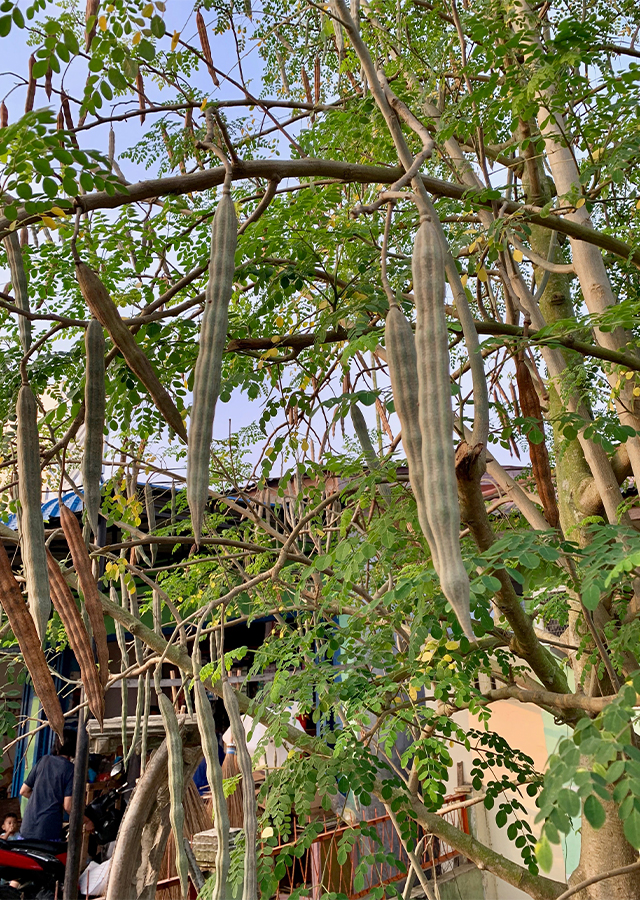
- Fruit green when young and brown when mature.
- Seeds round, blackish-brown in color.
Cultivation
Propagated vegetatively, using tree stems 1 year old, with a large stem diameter. While generatively, through healthy seeds, not wrinkled and undamaged.
Chemical Content
Ascorbic acid, flavonoids, phenolics, carotenoids, amino acids (amino acids in the form of aspartic acid, glutamic acid, alanine, valine, leucine, isoleucine, histidine, lysine, arginine, phenylalanine, tryptophan, cysteine and methionine), phenols.
Benefits
Antihypertensive, anti-inflammatory, anticancer, antitumor, antidiarrheal, antiallergic (asthma), anemia, gland swelling, infected wounds, skin diseases, treats gout and snake bites.
Simplisia
- Wash moringa leaves thoroughly and drain. Sort out any other unwanted material.
- Arrange on a special rack and dry in a closed drying room at a low temperature of 30-35°C.
- Until the moisture content reaches below 5% over 2 days, turning the moringa leaves every 3 hours.
- Separate from the leaf stalks and grind into powder.
- Store the dried material in a tightly closed container.
Local Names
Keloro (Bugis), Murong (Sumatra), Maronggih (Madura).
Traditional Recipes
The following recipes reflect traditional knowledge passed down through generations, not a substitute for professional medical diagnosis or advice. Consult a healthcare provider before use.
1. Anemia
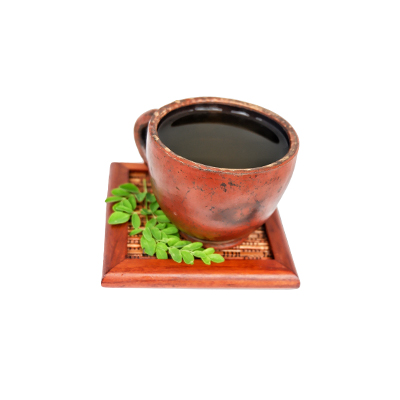
- Adults: boil 2 handfuls of leaves with 2 glasses of water until reduced to 1 glass of water, strain, and drink while warm. Drink twice a day.
- Children: boil 1 handful of leaves with 2 glasses of water until reduced to 1 glass of water, strain and drink while warm. Drink twice a day.
Reference Sources
- Keputusan Menteri Kesehatan Nomor HK.01.07/MENKES/187/2017. 2017 .Formularium Ramuan Obat Tradisional Indonesia; Kurang Darah (Anemia).
- Tropical Plants Database, Ken Fern. tropical.theferns.info. Moringa oleifera . http://tropical.theferns.info/viewtropical.php?id=Moringa+oleifera 26-01-2021.