Muntingia calabura L.
Summary
Kersen (Muntingia calabura) is a tree up to 12 meters tall of the Muntingiaceae family, native to tropical America, brought to the Philippines at the end of the 19th century before spreading throughout tropical Asia including Sumatra and Java. Its small, sweet fruit is commonly eaten directly or processed into jam. Kersen is traditionally believed to help control high blood pressure, cholesterol, and gout.
Agroecology
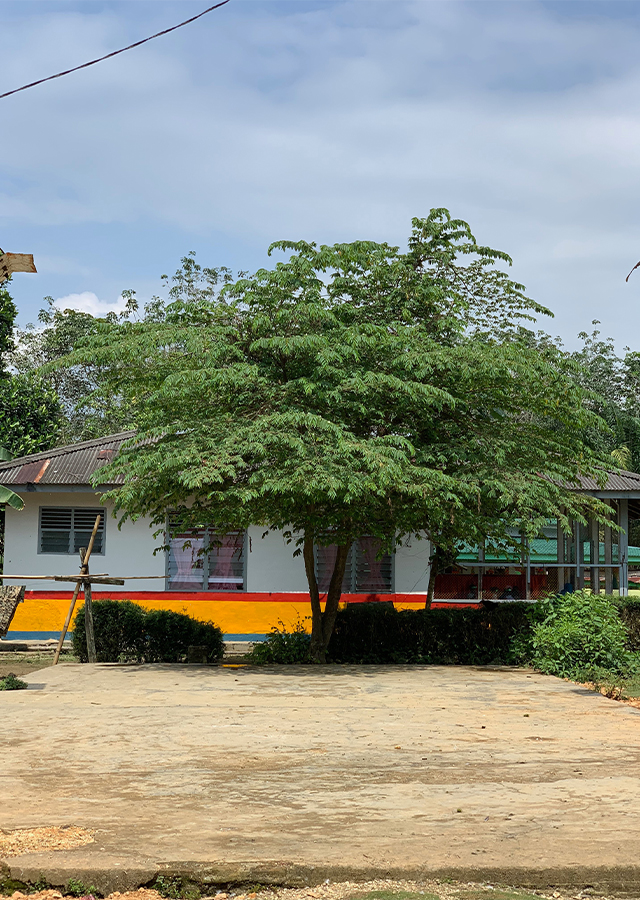
Generally, kersen grows well at elevations of 0-1,000 m above sea level, with soil pH 5.5-6.5, rainfall 1,400-2,000 mm/year. Grows wild in open places, roadsides, riverbanks, prefers sandy loam soil texture.
Morphology
- Stem horizontal branching forming a shady canopy.
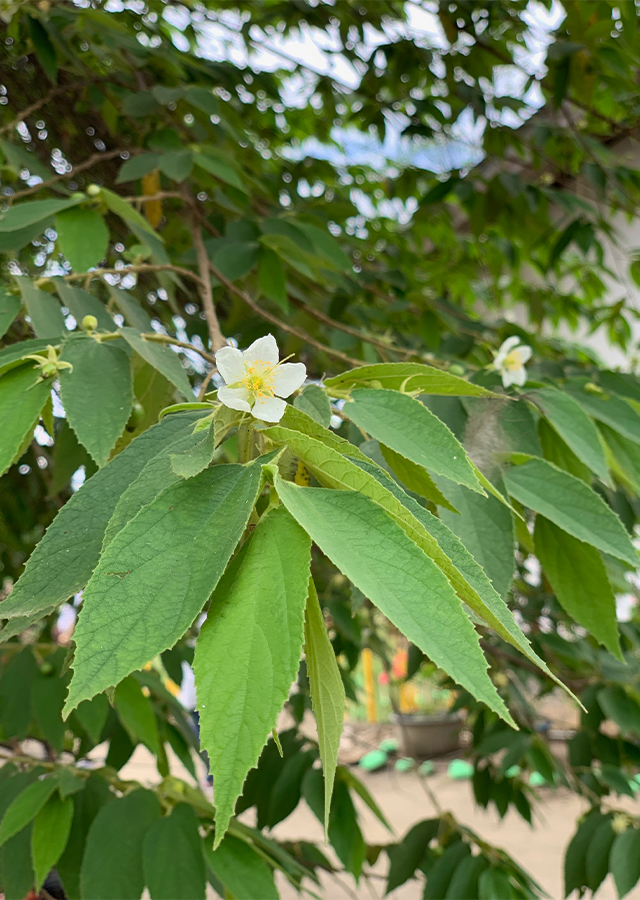
- Leaves ovate, serrated edges, pointed tip, alternate horizontal arrangement, light green, densely hairy underneath.
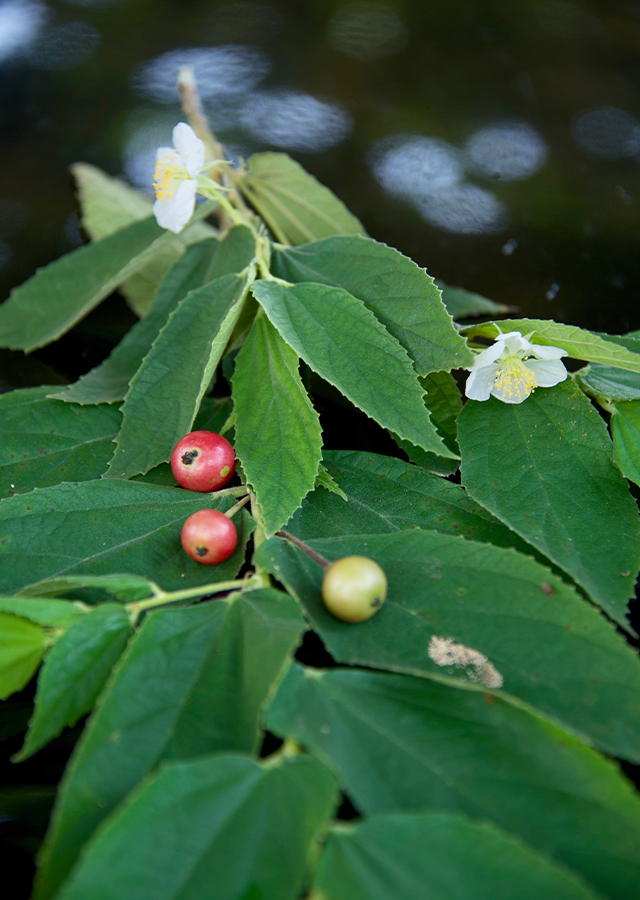
- Flowers have an ovate-shaped white corolla, green sepals, long-stalked.
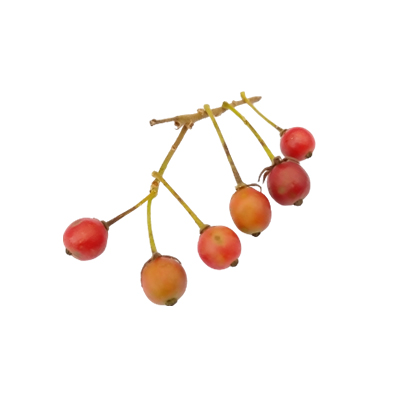
- Fruit a berry, round, sweet, green (young) and red (ripe), long fruit stalk.
- Seeds small, numerous, yellow in color.
Cultivation
- Propagated generatively (seed).
- Seeds come from physiologically ripe fruit (red color).
Chemical Content
Cytotoxic flavonoids (chrysin, 2′,4′-dihydroxychalcone; galangin 3,7-dimethyl ether; 5,7-dihydroxy-8-methoxyflavone, flavonoid glycosides, tiliroside, buddlenoid A), chalcones, phenolic, sesquiterpene, furanoid, saponin, tannin, steroid.
Benefits
Has antioxidant, antitumor, antidiabetic, antibacterial, anticancer, antiseptic activity, addresses headache and colds, controls high blood pressure, cholesterol, and gout.
Simplisia
- Choose fresh kersen leaves, not too young and undamaged. Wash thoroughly with running water.
- Cut the leaves into small pieces, then dry the leaf pieces in a drying machine (oven) at 40-50°C until evenly dry.
- Once dry, grind the leaves into powder.
- Store in an airtight plastic bag.
Local Names
Ceri (Jakarta), Talok (Java), Kersen baleci (Madura), Japanese cherry.
Traditional Recipes
The following recipes reflect traditional knowledge passed down through generations, not a substitute for professional medical diagnosis or advice. Consult a healthcare provider before use.
1. Diabetes and high cholesterol
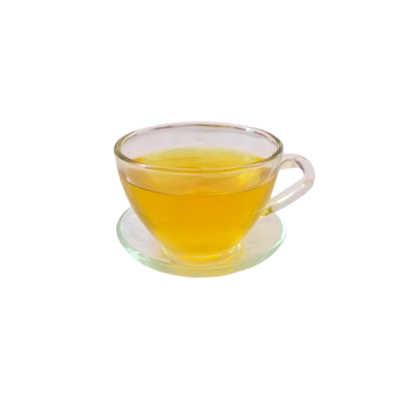
- Boil 50-100 g kersen leaves in 1 liter of water until boiling and reduced by half.
- Drink the decoction twice a day.
2. Reducing pain from gout
- Eat kersen fruit directly 3 times a day.
Reference Sources
- Hidayat Syamsul, N Rodame. 2015. kitab tumbuhan obat; Diabetes dan Kolesterol Tinggi. Penebar swadaya group.
- Indiabiodiversity.org. https://indiabiodiversity.org/species/show/231039 03-02-2021.
- CABI.org. https://www.cabi.org/isc/datasheet/35164 03-02-2021.