Musa acuminata x Musa balbisiana
Summary
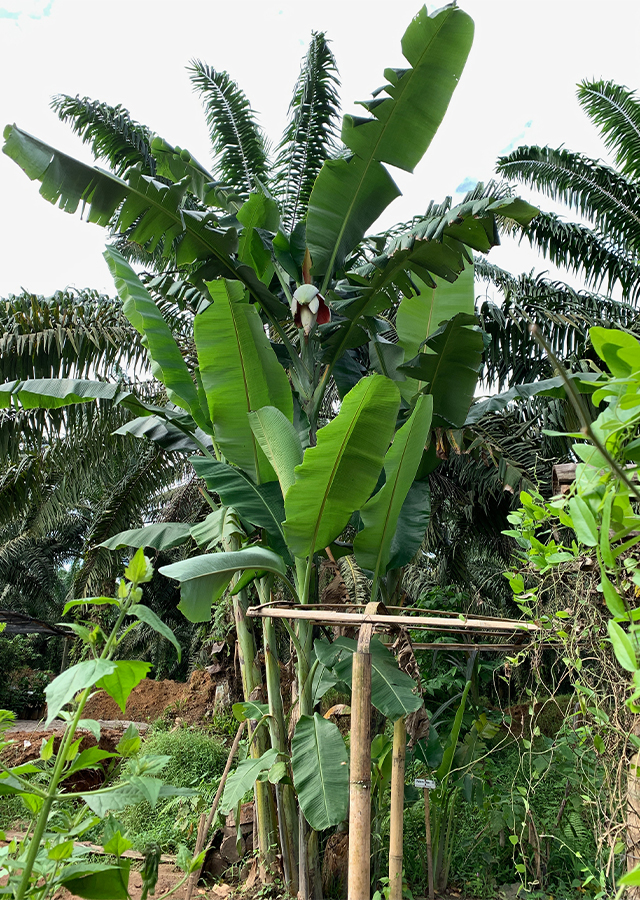
Pisang kepok (Musa acuminata x Musa balbisiana) is a giant herb 1-9 meters tall of the Musaceae family, a plant native to the Philippines and Indonesia now spread to the South Pacific, Africa, and Latin America. Its fruit is one of the most sought-after commercial banana varieties in Indonesia thanks to its distinctive taste when fried or boiled. Pisang kepok is also believed to help lower blood pressure and reduce the risk of stroke.
Agroecology
Grows well from lowlands to highlands (elevation of 2,000 m above sea level), with rainfall of 1,500-3,800 mm/year, air humidity 80-88%, temperature 22-32°C and soil pH 4.5-6.5. Prefers loose, well-drained soil with high nutrient content.
Morphology
- Stem this pseudostem is a tightly and regularly stacked bundle of leaf sheaths. The true stem is called the corm, short at the base of the pseudostem.
- Leaves lance-shaped, spread out position.
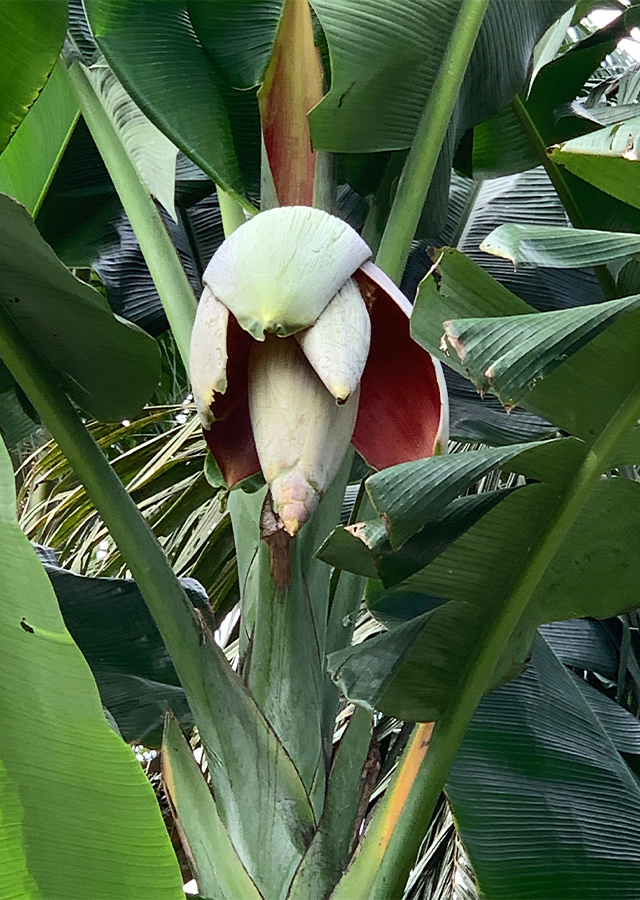
- Flowers compound with each flower bud wrapped by a reddish-brown bract.
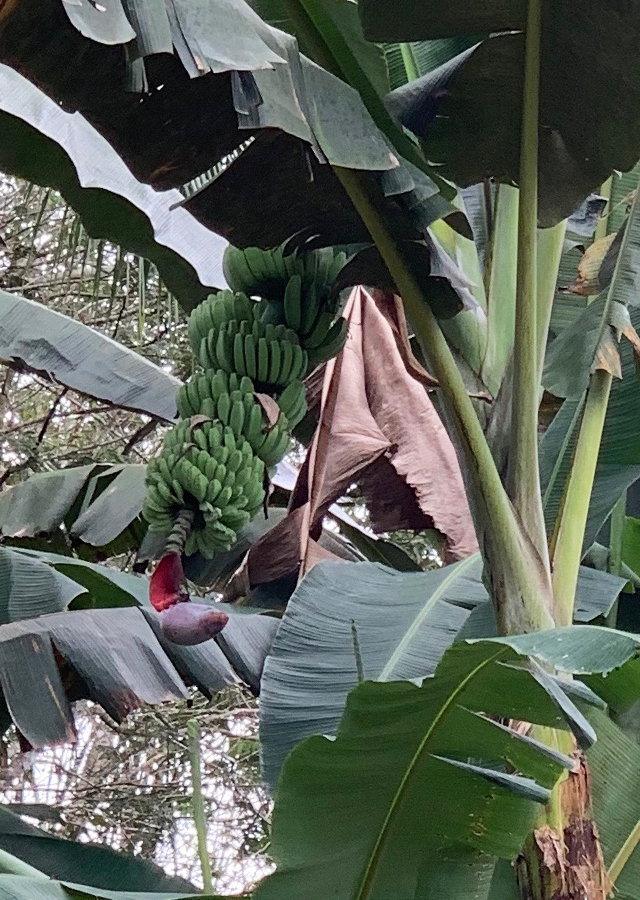
- Fruit a berry, elongated and curved round shape, arranged like a two-row comb. Skin green when young and yellow or brown when mature. Fruit flesh white or yellowish.
- Seeds small, round and black in color.
Cultivation
- Propagated vegetatively with suckers and tissue culture results. Suckers develop from shoots on the plant's corm.
- Propagation comes from a high-quality, healthy, and productive parent plant.
Chemical Content
- Pectin, secretonin, alkaloids, flavonoids, saponins, tannins, terpenoids, minerals (potassium, phosphorus, iron, magnesium, calcium), prebiotic content (fructooligosaccharides).
Benefits
- Boosts immunity and metabolism, aids digestion and blood circulation, lowers blood pressure and stroke risk, reduces facial wrinkles, antibacterial (diarrhea).
Local Names
Biu gedang saba (Bali).
Traditional Recipes
The following recipes reflect traditional knowledge passed down through generations, not a substitute for professional medical diagnosis or advice. Consult a healthcare provider before use.
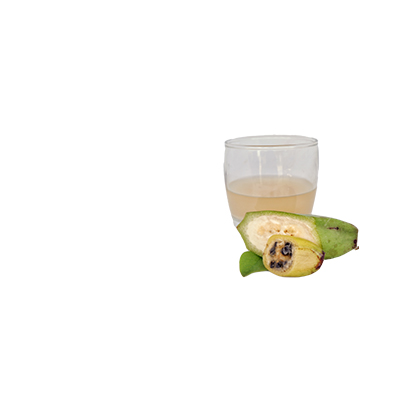
1. Bloody Bowel Movement
- Prepare 3 unripe pisang kepok and 3 ripe pisang batu.
- Grind the pisang kepok fruit with the skin and the pisang batu without the skin until smooth.
- Squeeze and strain the liquid. Drink 2 times a day, 1/2 cup each time.
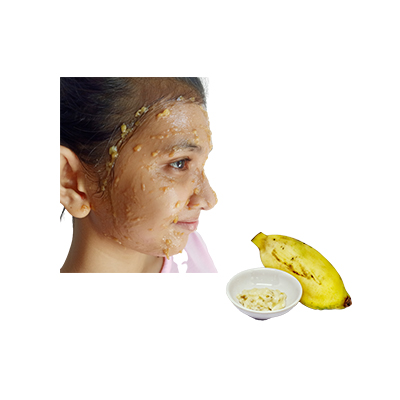
2. Reducing Facial Wrinkles
- Take 1/4 of a pisang kepok fruit, wash thoroughly and mash into a fine paste.
- Apply to the face then leave for 15-20 minutes.
- Clean the face. Do this once a week.
Reference Sources
- Ahmad F. 2013. Keragaman genetik pisang musa balbisiana colla di indonesia menggunakan penanda amplified fragment length polymorphism (AFLP). Tesis. Sekolah Pascasarjana. Institut Pertanian Bogor. Bogor.
- Prosea. 2016. https://uses.plantnet-project.org/en/Musa_(PROSEA_Carbohydrates) 07-11-2019
- Sulistyaningsih LD. 2016. The diversity of wild banana species (genus musa) in java. Makara J. Sci. 20(1): 40-48.
- Sunaryo W, Nurhasanah, Rahman, Sugiarto A. 2017. Identification and characterization of talas banana, a superior local cultivar from east kalimantan (indonesia), based on morphological and agronomical characters. Biodiversitas 18(4): 1414-1423.
- Sutowijoyo D. 2013. Kriteria kematangan pascapanen pisang raja bulu dan pisang kepok. Skripsi. Fakultas Pertaniam. Institut Pertanian Bogor. Bogor.
- Swathi D, Jyothi B, Sravanthi C. 2011. A Review: Pharmacognostic studies and Pharmacological actions of Musa Paradisiaca. International Journal of Innovative Pharmaceutical Research 2(2): 122-125.