Nelumbo nucifera Gaertn.
Summary
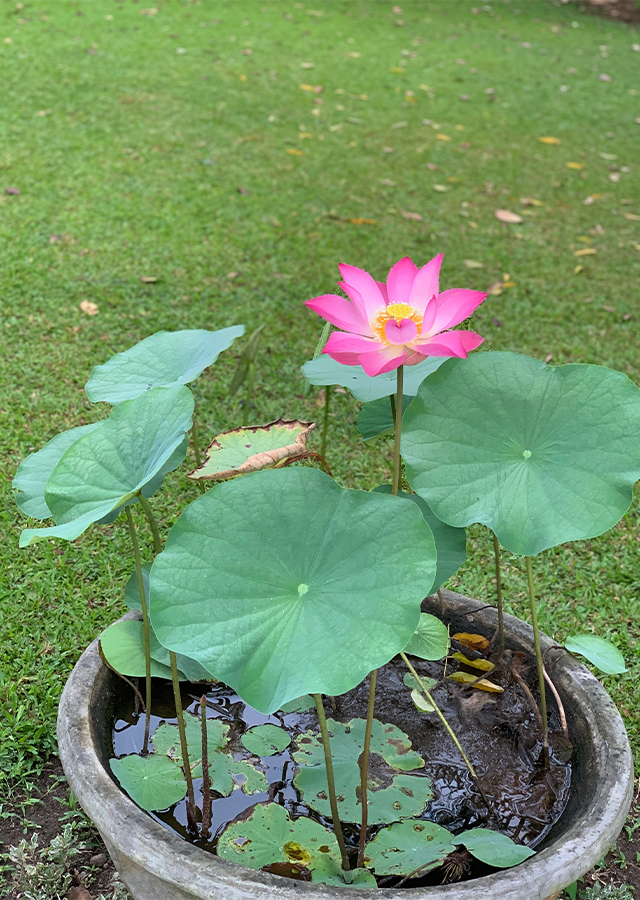
Lotus (Nelumbo nucifera) is an aquatic plant with an upright stalk up to 1.5 meters long of the Nelumbonaceae family, native to India, often confused with the water lily despite being a different species. Its rhizome is processed in Japanese cuisine, while its starch-rich seeds are used to treat fever and diarrhea. Lotus is also believed to be antioxidant and to help prevent diabetes.
Agroecology
Grows well in rivers, ponds, and lakes up to 2.5 m deep. Lotus grows at temperatures of 25-30°C and requires about 6 hours of sunlight per day. Average annual rainfall between 2,000-2,800 mm/year. Requires loamy soil with a pH of 6-6.5.
Morphology
- Root found in the mud at the bottom of the pond, rhizome visible with a 1.5 m stalk tube-shaped with a cavity in the middle.
- Leaves circular-shaped, wavy at the edges with leaf veins gathered in the middle and the surface coated with wax, diameter up to 60 cm.
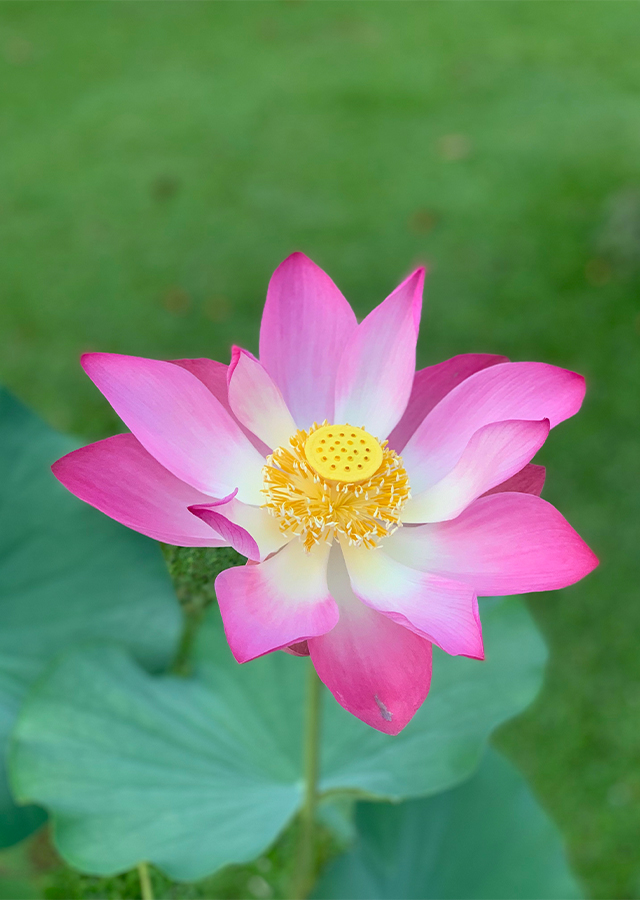
- Flowers seen above the water surface, pure white, yellow or pink in color with a diameter of 20 cm.
Cultivation
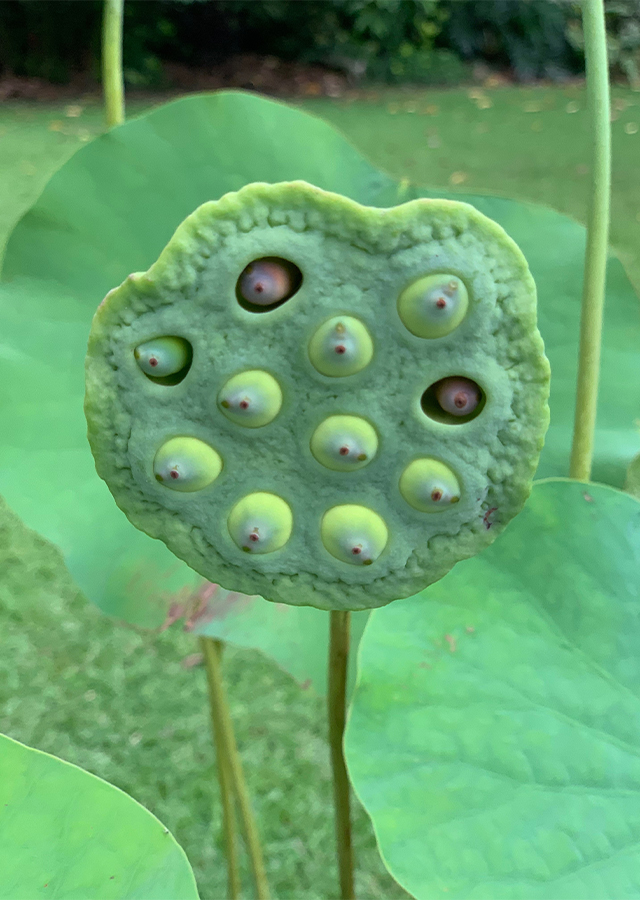
Propagated generatively (seed). Prepare seeds, slightly slice the black seed coat then soak and change the water 2 times a day. Place the container near a window, after 2 weeks transfer to soil media.
Chemical Content
Alkaloid, flavonoid, phenolic, saponin, steroid, β-sitosterol, campesterol, β-amyrin, stigmasterol, isofucosterol, dehydrolanosterol, fatty acids (linoleic acid, oleic acid, stearic acid and linolenic acid).
Benefits
Antioxidant, prevents diabetes, obesity and viral infections, treats hepatitis B, liver, heart problems, lowers blood pressure, addresses gastroenteritis, vomiting blood, cough and internal heat, nosebleeds, vomiting, diarrhea, dysentery.
Simplisia
- Peel the lotus fruit skin then soak the seeds.
- Steam the seeds then dry with a drying machine at 65ºC for 48 hours.
- Grind the dried seeds into powder then sift.
- Store in a clean, airtight container
Local Names
Seroja
Traditional Recipes
The following recipes reflect traditional knowledge passed down through generations, not a substitute for professional medical diagnosis or advice. Consult a healthcare provider before use.
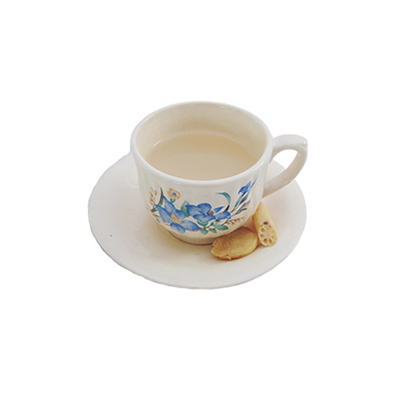
1. Vomiting and diarrhea
- Wash 50 g lotus rhizome and 15 g ginger thoroughly.
- Make juice or grate the ingredients and take the extract.
- Drink 3 times a day.
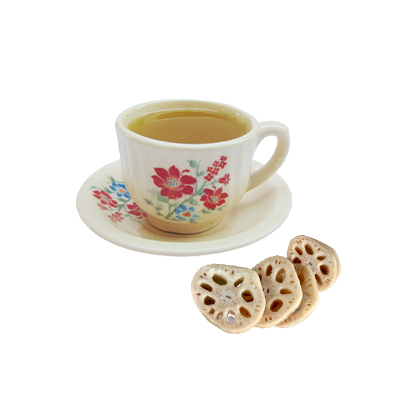
2. Dysentery
- Wash and grate 50 g lotus rhizome, add 100 ml water and boil until boiling.
- Cool and add 1 tbsp honey, mix evenly then drink.
Reference Sources
- Kewscience. (No date). Nelumbo nucifera. http://powo.science.kew.org/taxon/urn:lsid:ipni.org:names:605422-1#vernacular-names. 08-02-2021.
- Nishkruti R Mehta, et al. (2013). Nelumbo Nucifera (Lotus): A Review on Ethanobotany, Phytochemistry and Pharmacology. https://pdfs.semanticscholar.org/57c6/47125206bd9517c0c4378d00a635860dcef3.pdf. 08-02-2021.
- Ong, H.C. (2017). Pl@nt Use. Nelumbo nucifera (PROSEA). https://uses.plantnet-project.org/en/Nelumbo_nucifera_(PROSEA). 08-02-2021.
- Stuartxchange. (2016). Philippine Medicinal Plants: Baino. http://www.stuartxchange.org/Baino.html. 08-02-2021.