Neolamarckia cadamba (Roxb.) Bosser
Summary
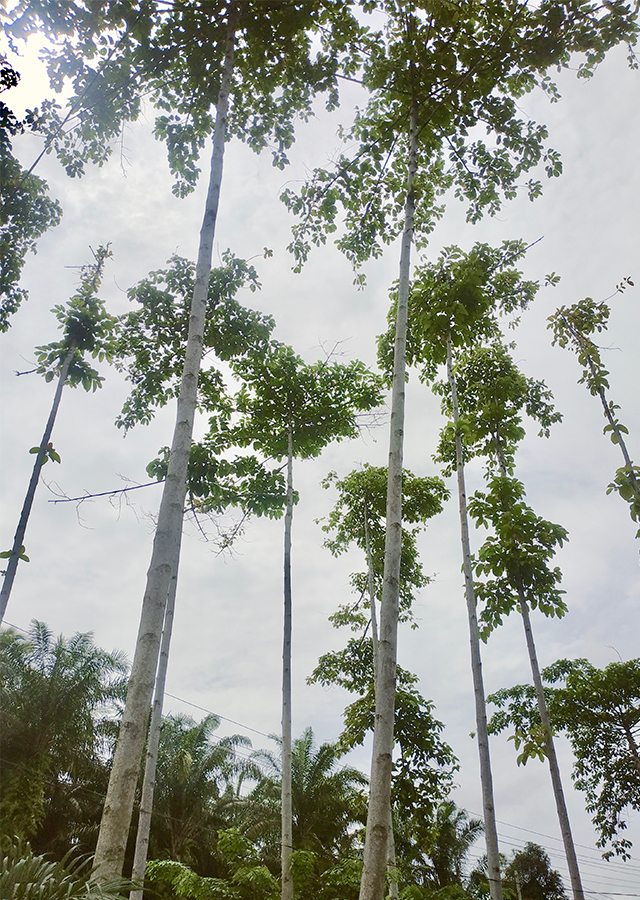
Kadamba (Neolamarckia cadamba) is a large tree of the Rubiaceae family that can soar up to 45 meters with a trunk diameter of up to 160 cm, native to South and Southeast Asia and cultivated in Indonesia since the 1930s. Its highly valuable timber is commonly used in reforestation and degraded land rehabilitation programs. Its bark and leaves are traditionally used to address anemia, high blood pressure, and skin ailments.
Agroecology
This plant can grow at elevations of 0-1,000 m above sea level, optimally at 500 m, with an optimum temperature of 23 °C and average rainfall between 1,500-5,000 mm/year. Favors loamy, brown podzolic, and moist alluvial soil textures.
Morphology
- Trunk with a tall canopy, straight and cylindrical with horizontal branching. Young trees have smooth gray bark, older trees have rough, slightly grooved bark.
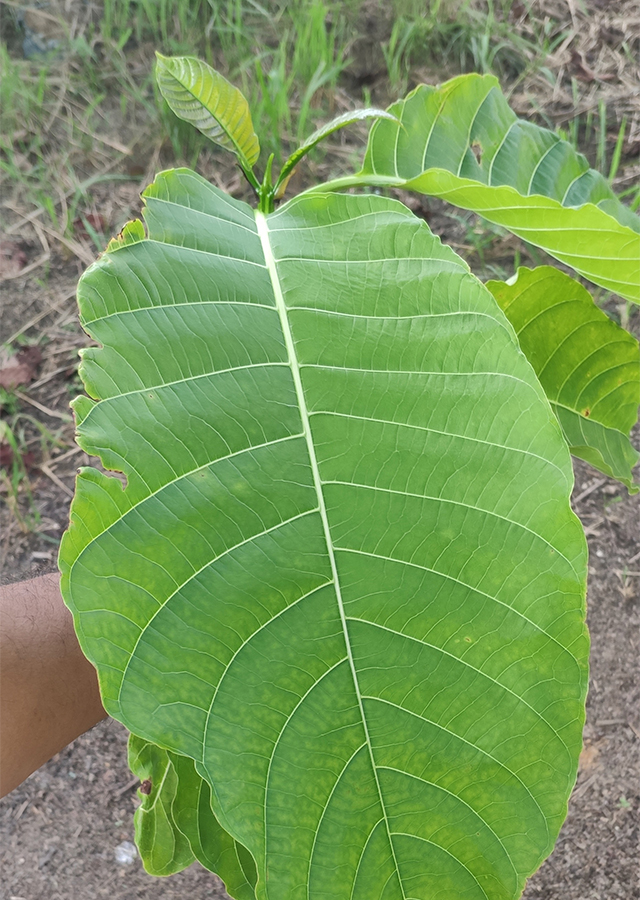
- Leaves simple, oval-oblong, green, smooth, tapering (acuminate) base with a small round notch, hairless.
- Flowers round, needle-shaped sepals in yellow, orange, or red with a white accent at the tip, large-sized.
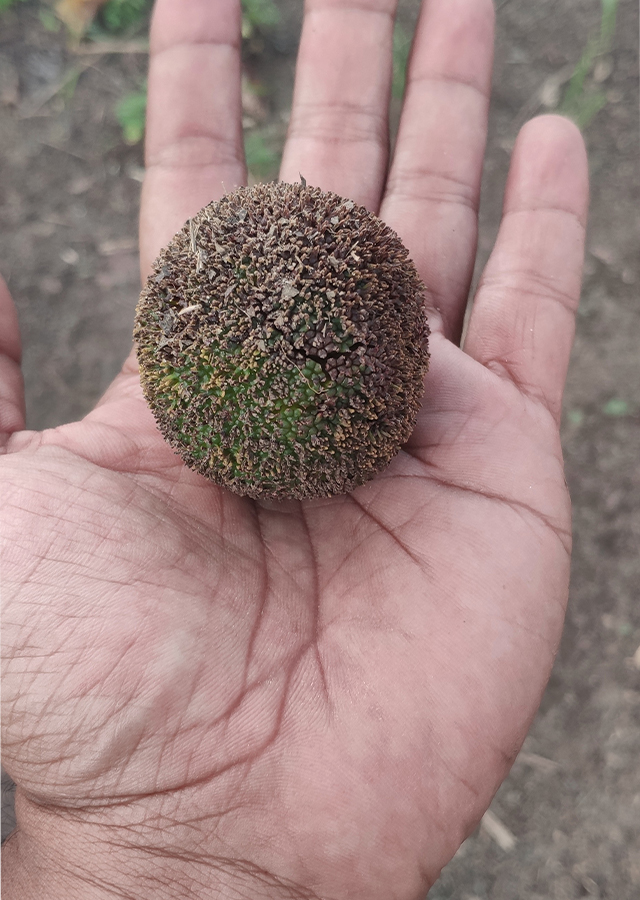
- Fruit green when young, yellow when ripe, round, 4.5-6 cm in size, soft, with seed compartments.
- Seeds small, arranged within the seed compartments.
Cultivation
- Propagated generatively (by seed) and vegetatively (by stem cuttings).
- Planted at the start of the rainy season, with a spacing of 4 x 4 m or 4 x 6 m.
Chemical Content
Flavonoids, alkaloids, saponins, phenolic compounds, quinones, triterpenoids, glycosides, cadambin, steroids, proanthocyanidins, anthocyanins, tannins.
Benefits
Treats anemia, urination complaints, high blood pressure, skin diseases, leprosy, dysentery, vaginal discharge; used as a mouthwash; treats fever; relieves pain and inflammation.
Local Names
Jabon putih, Galupai, Harapean, Kiuna, Serebunaik (Sumatra), Jabun, Hanja, Kelampaian (Java), Kelampayan (Kalimantan), Bance, Pute, Loeraa, Pontua, Sugemanai, Pekaung, Toa (Sulawesi), Masarambi (Papua).
Traditional Recipes
The following recipes reflect traditional knowledge passed down through generations, not a substitute for professional medical diagnosis or advice. Consult a healthcare provider before use.
1. Treating Fever
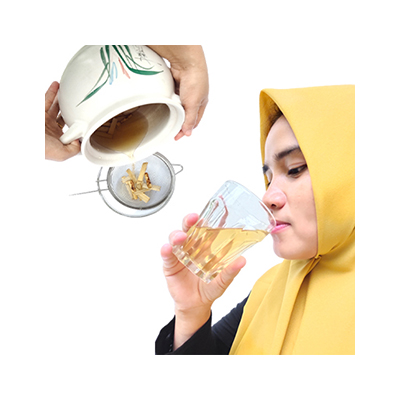
- Prepare a sufficient amount of bark and 40 ml of water.
- Wash the bark thoroughly and boil until boiling.
- Drink 30-40 ml of the decoction.
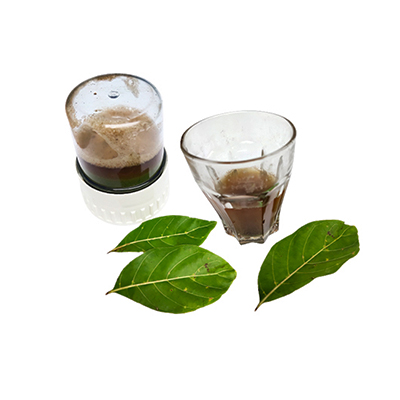
2. Treating Vaginal Discharge
- Clean 5 fresh kadamba leaves.
- Blend and add 50 ml water.
- Drink 10-15 ml of the juice.
Reference Sources
- Biodiversity India. (No date). India Biodiversity Portal. Neolamarckia cadamba (Roxb.) Bosser. https://indiabiodiversity.org/species/show/244698. 09-01-2021.
- NCBI. (2015). Cadamba: A miraculous tree having enormous pharmacological implications. https://www.ncbi.nlm.nih.gov/pmc/articles/PMC4557232/. 09-01-2021.
- Stuart Xchange. (2016). Philippine Medicinal Plants. Kaatoan-bangkal. http://www.stuartxchange.org/Kaatoan-bangkal.html. 09-1-2021.
- Fern, Ken. (2014). Useful Tropical Plants. Neolamarckia cadamba. http://tropical.theferns.info/viewtropical.php?id=Neolamarckia+cadamba. 09-01-2021.