Ophiorrhiza mungos L.
Summary
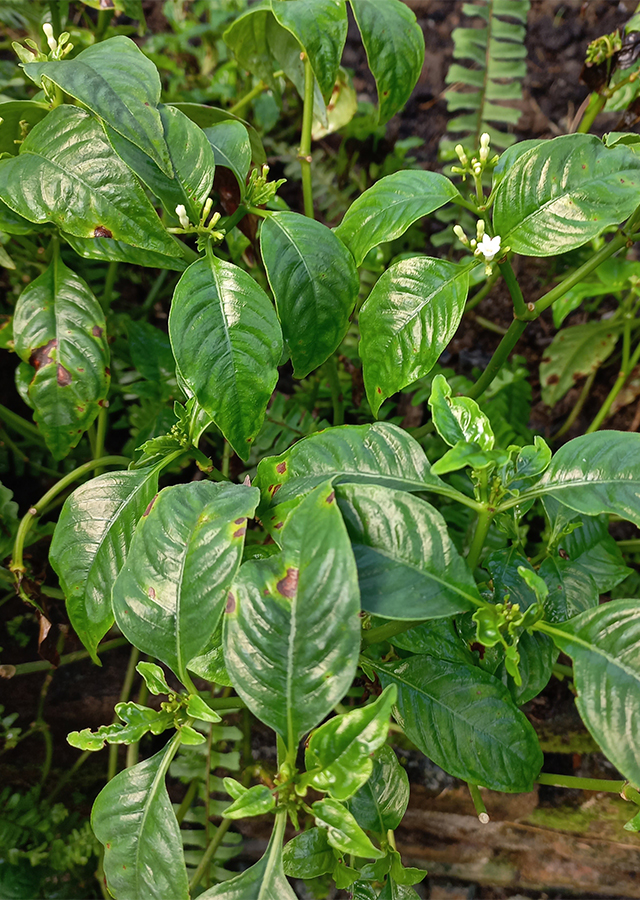
Sarhati (Ophiorrhiza mungos) is a herb 10-50 cm tall from the Rubiaceae family spread from Southwest China to Indonesia, nicknamed 'snakeroot' because it is used to treat snake bites. Research shows sarhati has anticancer and antiviral activity against herpes simplex. This plant is also traditionally used as a laxative and sedative.
Agroecology
Sarhati grows in primary and secondary forests, shaded and moist to wet areas at elevations up to 400 m asl. (Limited information available.)
Morphology
- Roots at the lower node.
- Leaves 7-15 x 3-6 cm, elliptical or elliptical-lanceolate, base thinning, tip tapering, papery, hairy on the veins below, petiole up to 1.5 cm, sessile leaves needle-shaped, 3-5 mm long, 2-fid at the tip.
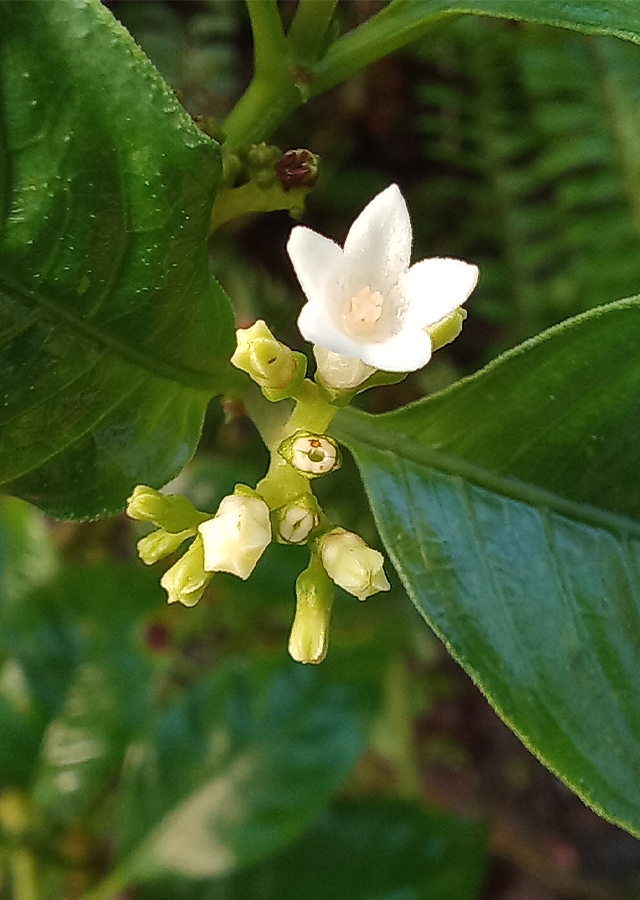
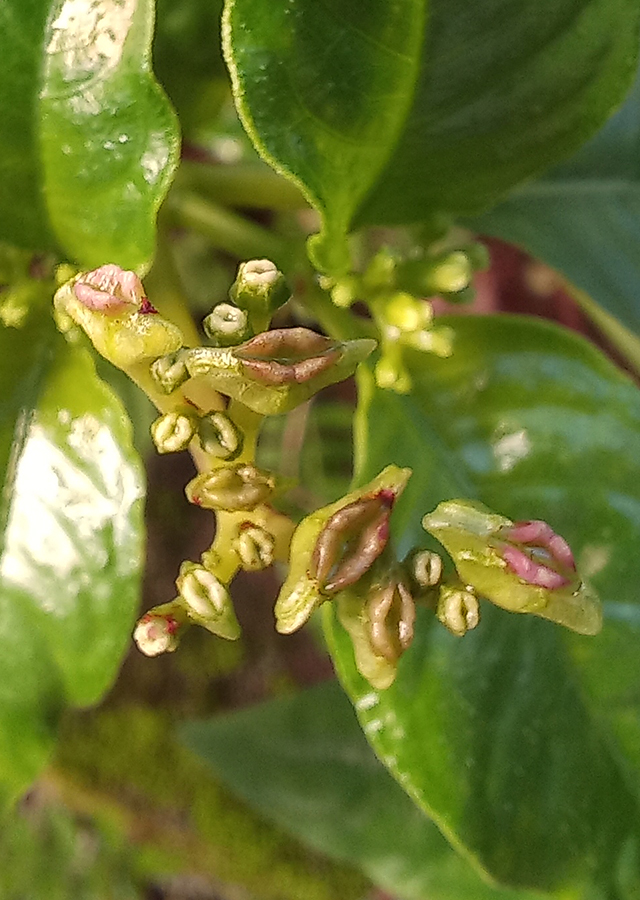
- Flowers compound, appearing at the branch terminal, scorpioid cymes (secondary shoots developing alternately along the stem), dense. Stalk length up to 2.5 cm, stiffly hairy. Calyx tube 1 mm long; lobes indistinct. Corolla 0.8-1 cm long, white with a pink pattern on the lobes.
- Fruit a capsule 2.5-3 cm long, 4-6 mm wide, obcordate (inverted heart-shaped), laterally compressed, hairless, loculicidal dehiscence.
- Seeds numerous, angular.
Cultivation
Propagation generatively using seeds. Seeds are better sown at the beginning of the rainy season.
Chemical Content
Alkaloids (camptothecin, hydroxyl camptothecin, 10-methoxy camptothecin), 9-methoxy camptothecin, luteolin-7-O-glucoside, 5α-ergosterol-8(14)-ene-3β-ol, 5α-ergosterol-7-ene-3β-ol, phenolic compounds, tannin, hydrocyanic acid, and flavonoid.
Benefits
A laxative and sedative remedy, treats cancer (including colon, lung, ovarian, and cervical cancer), fights head and neck cancer, treats snake bites, keeps skin moist and soft, serves as a bitter tonic and stomach remedy, fights pathogenic protozoa such as Leishmania donovani and Trypanosoma brucei (which cause leishmaniasis and sleeping sickness respectively), treats wounds, boils. Has antiviral activity against herpes simplex virus and antitumor activity.
Local Names
No information found. Further research needed.
Traditional Recipes
The following recipes reflect traditional knowledge passed down through generations, not a substitute for professional medical diagnosis or advice. Consult a healthcare provider before use.
1. Wounds
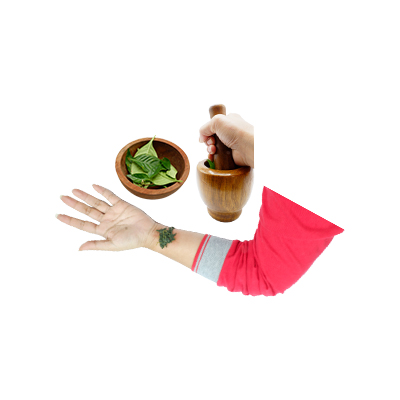
- Take sarhati leaves as needed and wash until clean.
- Mash into a paste and add coconut oil as needed.
- Apply the ground material to the wound area.
2. Boils
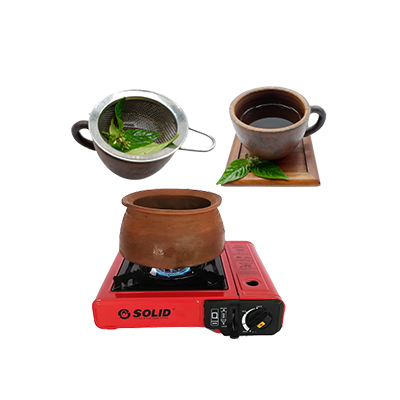
- Pick fresh sarhati leaves as needed and wash until clean.
- Boil the leaves until boiling.
- Let stand until warm/cool.
- Strain, then drink.
Reference Sources
- Royal Botanic Gardens. 2017. Plants of the World Online. Ophiorrhiza mungos L.. https://powo.science.kew.org/taxon/urn:lsid:ipni.org:names:758527-1. 04-10-2021.
- India Biodiversity. Ophiorrhiza mungos L. https://indiabiodiversity.org/species/show/263980. 04-10-2021.
- G. Krishnakumar, Dintu K P, Sibi C Varghese, Deepthi S Nair, Geethu Gopinath, Rameshkumar K B, Satheeshkumar K & Krishnan P N. 2020. Ophiorrhiza, a promising herbaceous source of the anticancer compound camptothecin. PLANT SCIENCE TODAY, 2020Vol 7(2): 240–250. https://www.researchgate.net/publication/341108716_Ophiorrhiza_a_promising_herbaceous_source_of_the_anticancer_compound_camptothecin. 04-10-2021.
- Useful Tropical Plants Database. 2021. Ophiorrhiza mungos. http://tropical.theferns.info/viewtropical.php?id=Ophiorrhiza+mungos. 04-10-2021.
- Taher Muhammad , Siti Syazwani Shaari, Deny Susanti, Dayar Arbain, dan Zainul Amiruddin Zakaria. 2021.Genus Ophiorrhiza: A Review of Its Distribution, Traditional Uses, Phytochemistry, Biological Activities and Propagation. MDPI Jurnal volume 25, isuue 11. https://www.mdpi.com/1420-3049/25/11/2611/htm.