Oplismenus burmanni (Retz.) P.Beauv.
Summary
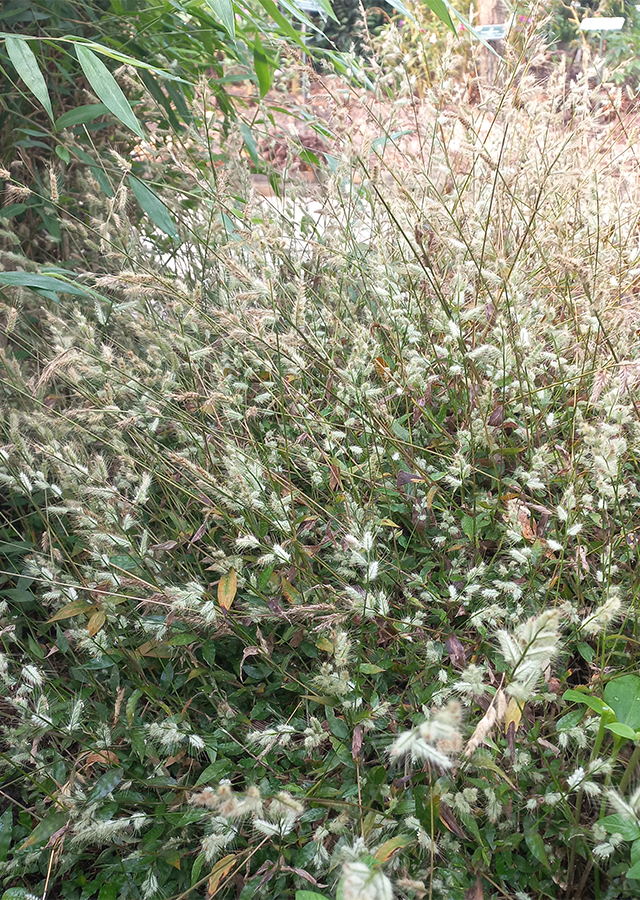
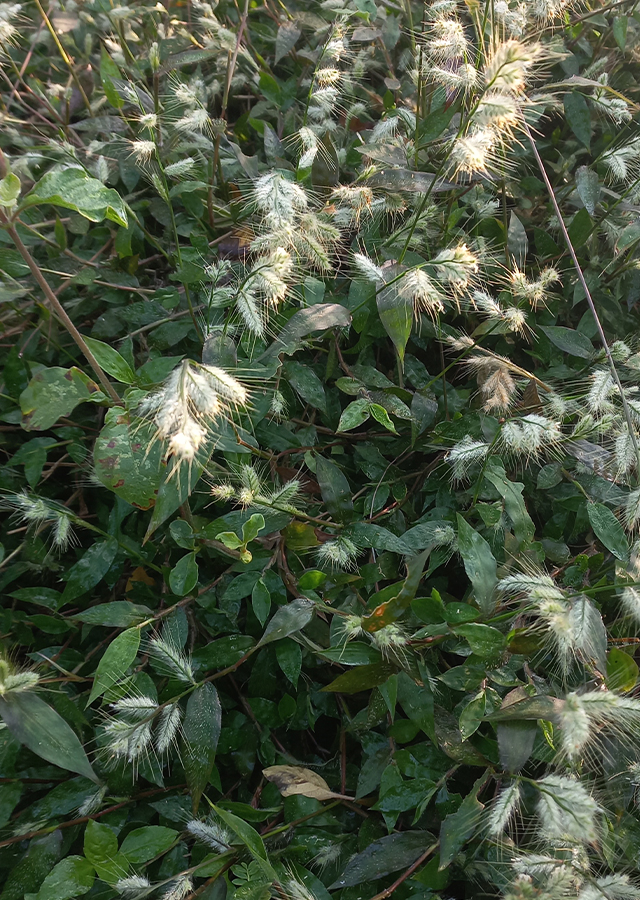
Oplismenus burmannii or bebesan is a plant from the grass family native to South Africa. Besides being commonly used as animal feed, this grass is also traditionally known as an antidote for venomous stings and bites as well as an eye care and pain relief ingredient.
Agroecology
This plant prefers habitats on dry ground and shaded places. Grows at elevations of 900-1,000 m asl.
Morphology
- Stem increasingly hollow and grooved-striated toward the base.
- Leaves, leaf sheath finely hairy. Ligule short. Leaf blade with an unequal-sided base, leaf margin rough, hairy, 0.4-1.5 cm long.
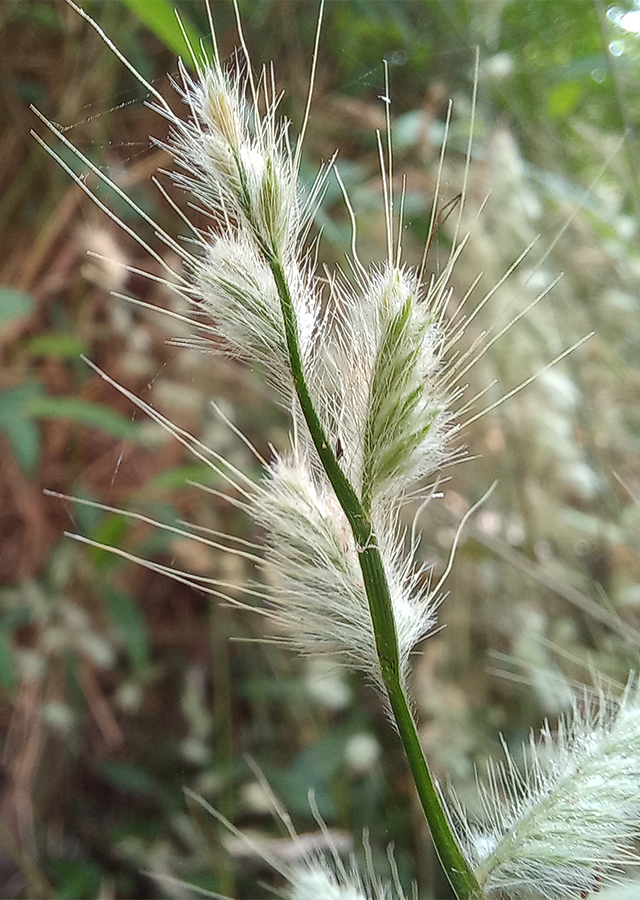
- Flowers in an inflorescence of 2-12 spikes. Spikes become shorter toward the top. Spikelets clustered in pairs, sometimes some grow imperfectly and are white-hairy. Awn very slender, covered with bristle hairs that never stick together. Stamens three in number. Styles two in number, stigma emerging above the tip of the spikelet, purplish red, rarely white.
Cultivation
Propagation of this plant is generative using seed.
Chemical Content
Clionasterol glucoside: clionasterol-[(1'3α)-O-β-D]-glucopyranoside, clionasterol-[6'-O-acyl-(1'3β)-O-β-D]-glucopyranoside, and clionasterol.
Benefits
An antidote (venomous stings, bites, etc.), skin parasitic infections, subcutaneous infections, eye care, genital stimulant/depressant, pain reliever, aphrodisiac.
Local Names
Informasi tidak ditemukan. Butuh penelusuran lebih lanjut.
Traditional Recipes
The following recipes reflect traditional knowledge passed down through generations, not a substitute for professional medical diagnosis or advice. Consult a healthcare provider before use.
1. Skin parasitic infections
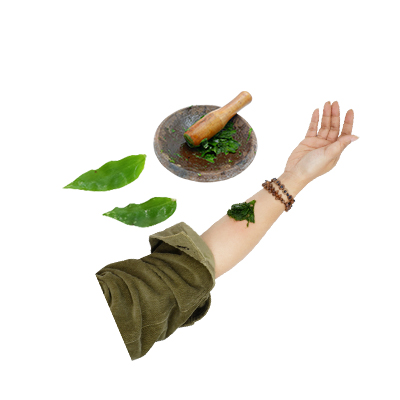
- Take an adequate amount of bebesan leaves and wash until clean.
- Grind until it becomes a paste.
- Apply the leaf paste to the infected skin.
Reference Sources
- Royal Botanic Gardens. Plants of the Worl Online: Oplismenus burmanni (Retz.) P.Beauv.. 02-06-2022. https://powo.science.kew.org/taxon/urn:lsid:ipni.org:names:30453766-2#other-data.
- PROTA4U. Oplismenus burmannii (Retz.) P.Beauv.. 02-06-2022, https://www.prota4u.org/database/protav8.asp?g=psk&p=Oplismenus+burmannii+(Retz.)+P.Beauv.
- JSTOR GLOBAL PLANTS. 2022. Oplismenus burmannii (Retz.) P Beauv. [family POACEAE]. https://plants.jstor.org/stable/10.5555/al.ap.upwta.2_610.
- Septi Dwi Lestari. 2021. Analisis Vegetasi Tumbuhan Bawah diWana Wisata Jati Park dan Hutan Jati Kecamatan Doko Kabupaten Blitar. Skripsi. Fakultas Sains dan Teknologi. Universitas Islam Negeri Maulana Maliak Ibrahim. Malang.
- Pebriana Wahyuningtyas. 2017. Inventerisasi Tumbuhan Berkhasiat Obat di Kawasan Air Terjun Ngleyangan Kabupaten Kediri Sebagai Kajian Biodiversitas Lokal. Jurnal. Program Studi Pendidikan Biologi. Fakultas Keguruan dan Ilmu Pendidikan. Universitas Nusantara PGRI Kediri.