Origanum majorana L.
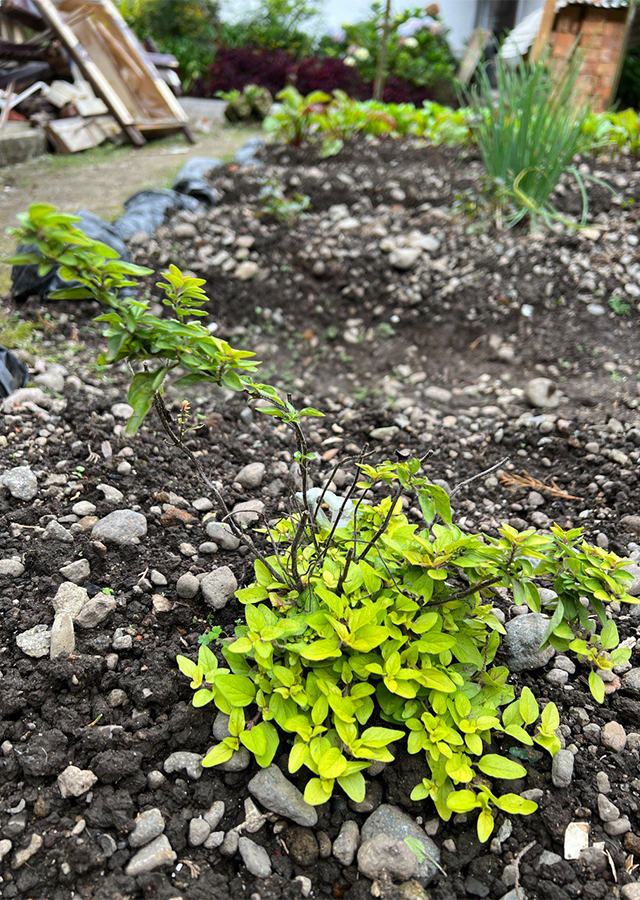
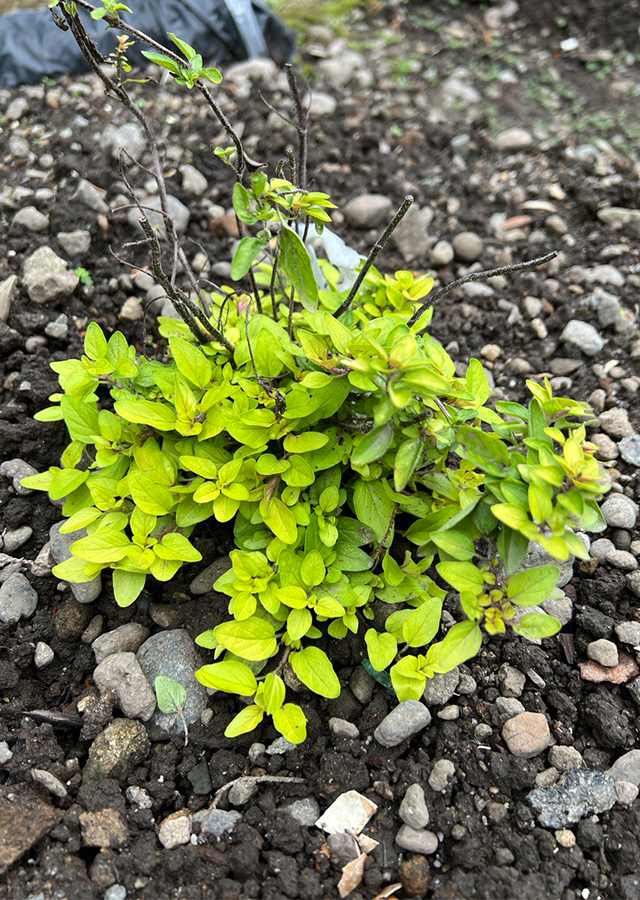
Summary
Origanum majorana or marjoram is native to Cyprus and Southern Turkey, also growing naturally across the Mediterranean region and now widely cultivated in Europe, the Americas, and Southeast Asia. This aromatic herb is popular as a seasoning for salads, meat, and soups in Mediterranean cuisine, while also having a long tradition in Ayurvedic and Austrian medicine for relieving muscle spasms, insomnia, and digestive disorders. In addition, marjoram is a common ingredient in skin creams, lotions, and perfumes since ancient Greek times.
Agroecology
Naturally, marjoram is found growing in rocky areas and slopes up to elevations of 1,500 m asl, also found growing at field edges, footpaths, rubble walls near fields, and farmhouses. In tropical regions, the plant grows best at elevations of 1,000-2,000 m asl. Grows best in well-drained sandy soil kept on the drier side, preferring full sun or partial shade. Marjoram prefers light, rich soil, with a pH of 5.8-7.2, and average water requirement during the growing season is 500-1,000 mm, and the average temperature should not be lower than 15°C, although the plant can survive in far worse conditions.
Morphology
- Roots a sub-cylindrical taproot, longitudinally wrinkled with transverse cracks; 0.2-0.6 mm in diameter. Outer root surface dark brown while the interior is light brown with a few small roots and root scars.
- Stem much-branched, square, straight, weak or limp, hairy, round and green with red spots, hairless to tomentose. The stem roots when touching the ground, stem covered with brown hairs.
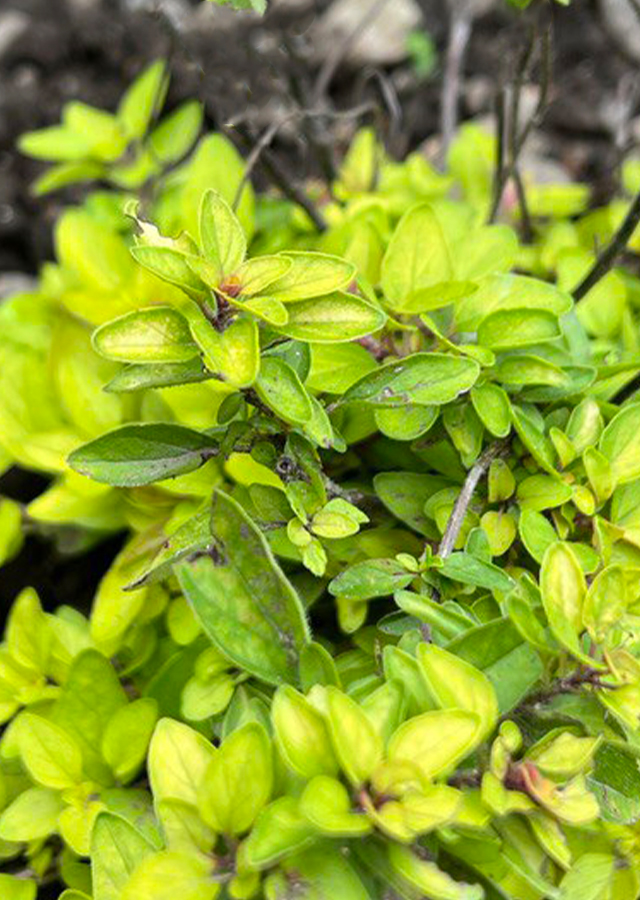
- Leaves unifoliate, opposite or paired along the stem, petiolate, round to ovate or elliptic shaped, reticulate venation, margin entire, tip acute to obtuse, base symmetric but tapering, leaves emit an aroma when crushed. Number of leaves up to 30 pairs per stem, grayish green in color. Texture very fine due to the presence of many hairs.
- Flowers bisexual, small tube-shaped, inserted between dense bracts, arranged in spikes. Calyx tubular, tomentellous. Corolla white to yellowish or pale pink with grayish green bracts, upper lip 2-lobed, 0.2 mm long, lower lip 3-lobed subequal, 0.5-2 mm long, stamens protruding, upper pair up to 4 mm, lower pair up to 5 mm. Inflorescence with enlarged overlapping bracts.
- Fruit dry and indehiscent, known as a nutlet, light brown in color.
- Seeds small, oblong, dark and brown colored, ripening from August to September.
Cultivation
- Plant propagation through seed. If sown in a germination box, seedlings emerge within 14-21 days and are transplanted to the field when they have 10-15 leaves.
- Recommended plant spacing is 50-60 cm × 20 cm.
Chemical Content
Eugenol compounds, flavonoids, tannins, sterols and/or terpenes, α-terpinene, γ-terpinene, sabinene, terpinen-4-ol, α-terpineol, terpinenyl-4-acetate, 1,8-cineole, linalyl acetate, benzene, germacrene-D, trans-caryophyllene, cis-sabinene hydrate, trans-sabinene hydrate, para-cymene, linalool, limonene, myrcene.
Benefits
Relieves muscle spasms, eases insomnia, nausea, and headache, external application for sprains and bruises, stimulates phlegm expectoration, drops for toothache, mouthwash for oral hygiene, ointment to relieve colds and stuffy nose, addresses sprains, swelling and painful rheumatism (external remedy), relieves muscle and joint pain, helps regulate the menstrual cycle, treats digestive disorders and bloating, improves sleep quality, maintains hair and skin health, treats colds and coughs, addresses stress and anxiety, respiratory problems, promotes nervous system health, boosts immunity, prevents anemia, treats diabetes, maintains eye, bone, and heart health, maintains women's health (balances female hormones and regulates menstruation, helps treat symptoms associated with menopause, helps nursing mothers produce more milk), lowers high blood pressure, digestive tract disorders and infections, treatment of bronchial complaints, tension headaches, insomnia, anxiety, mild digestive disorders, bruises, earaches, poor appetite, liver disease, gallstones, intestinal gas, and stomach cramps, inflammation of the nasal mucous membrane, asthma, relieves headaches, sinusitis.
Simplisia
- Prepare an adequate amount of fresh marjoram leaves, wash until clean with running water then drain.
- Dry under direct sunlight for several days or with an oven at 40°C until the moisture content reaches 10%.
- Grind using a blender until it becomes powder.
- Store the simplisia in a clean, airtight plastic bag or container.
Local Names
Information not found. Further research is needed.
Traditional Recipes
The following recipes reflect traditional knowledge passed down through generations, not a substitute for professional medical diagnosis or advice. Consult a healthcare provider before use.
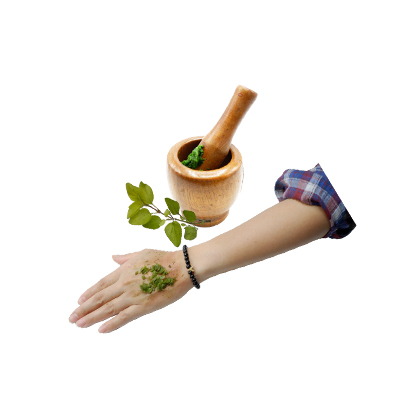
1. Sprains
- Take an adequate amount of marjoram leaves and wash until clean.
- Grind until it becomes a paste.
- Apply the leaf paste to the affected area.
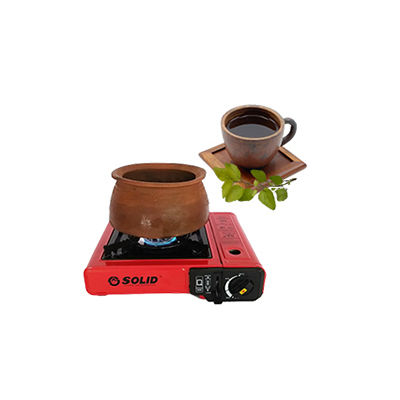
2. Mouthwash
- Prepare an adequate amount of marjoram leaves and wash until clean.
- Boil until it boils.
- Let it cool to warm/cold.
- Strain then gargle.
Reference Sources
- Royal Botanic Gardens. Plants of the World Online: Origanum majorana L.. https://powo.science.kew.org/taxon/urn:lsid:ipni.org:names:453303-1. 13-09-2022.
- Stuartxchange. 2019. Philippine Medicinal Plants: Marjoram. http://www.stuartxchange.org/Marjoram.html. 13-09-2022.
- Flora Fauna Web. 2021. Origanum majorana. https://www.nparks.gov.sg/florafaunaweb/flora/8/0/8004. 13-09-2022.
- Plant Resources of South-East Asia. 2016. Origanum (PROSEA). https://uses.plantnet-project.org/e/index.php?title=Origanum_(PROSEA)&mobileaction=toggle_view_desktop. 13-09-2022.
- Healthbenefitstimes. 2021. Health benefits of Marjoram. https://www.healthbenefitstimes.com/marjoram/. 13-09-2022.
- IDN Medis. 2022. Marjoram: Manfaat – Efek Samping dan Tips Konsumsi. https://idnmedis.com/marjoram. 13-09-2022.