Ouret sanguinolenta (L.) Kuntze
Summary
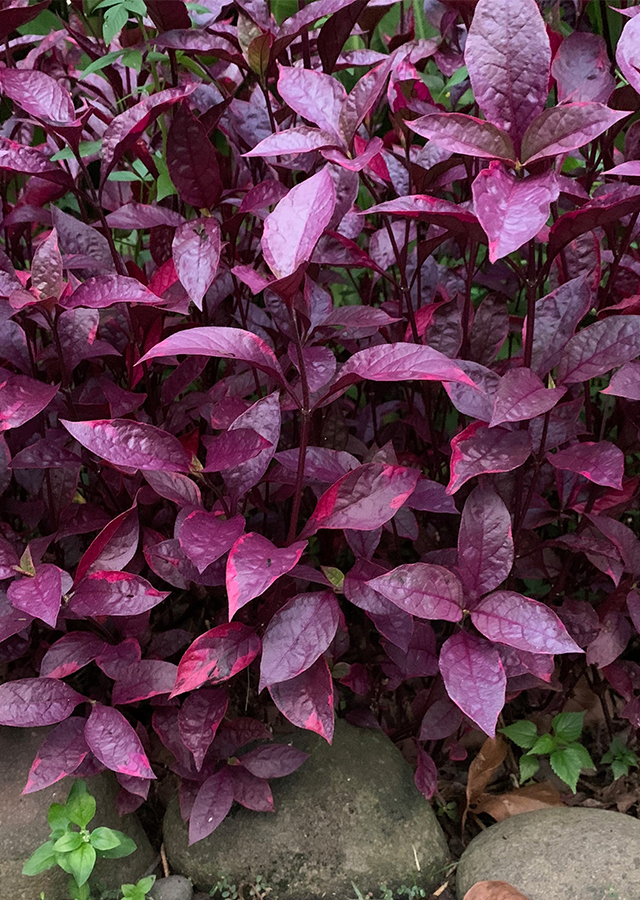
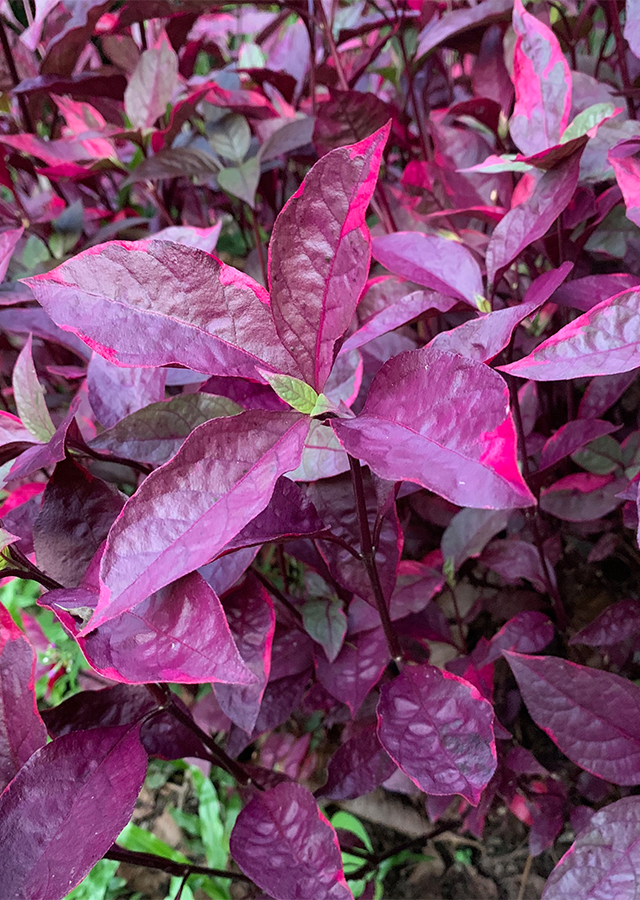
Sambang colok (Ouret sanguinolenta) is an upright or climbing herb 0.5-2 meters tall of the Amaranthaceae family which, according to historical records, originates from the island of Java, now distributed from South China to the Philippines. Its purplish-red leaf color makes it an attractive ornamental plant. Traditionally, sambang colok is believed to relieve menstrual pain and vaginal discharge.
Agroecology
This plant's habitat is fertile soil in areas with adequate rainfall and full sunlight, living from lowlands up to 2,000 m above sea level. Grows wild in yards, shrubland, and fields.
Morphology
- Roots taproot, purplish-red.
- Stem round shaped with a woody base, jointed, branching.
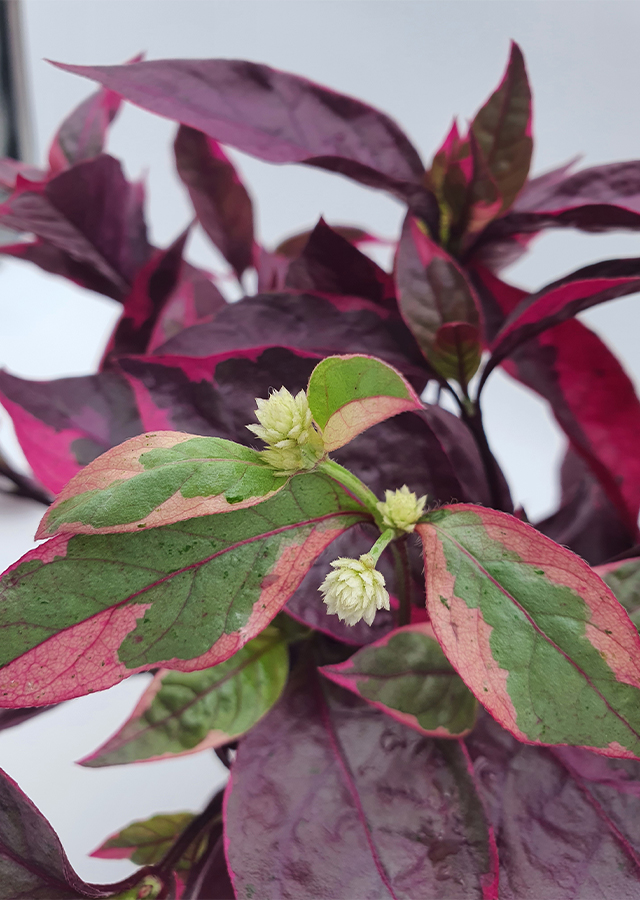
- Leaves single, opposite, egg-shaped to elliptical, split tip, smooth edges, tapering base, upper surface glossy, finely hairy, red in color, pinnate venation, glossy on the upper side, finely hairy.
- Flowers compound, white, spike-shaped, emerging at leaf axils, finely hairy and white. Fruit flat and black.
- Seeds small with a glossy black color.
Cultivation
- This plant is propagated using seeds, root cuttings, and stem cuttings.
- Seedlings are planted directly; if not planted immediately, seedlings can be placed in a moist location so they do not wilt or die.
- Flowers and fruits around September-May
Chemical Content
- Tannins, saponins, flavonoids, terpenoids, essential oils, sphingolipids, polyphenols, betacyanins, alkaloids.
Benefits
Treats menstrual pain, difficulty urinating, gonorrhea, anemia, vaginal discharge, worm infections, uterine inflammation, antihyperglycemic, hepatoprotective, antioxidant, antimicrobial, anti-inflammatory, diuretic and antileishmanial.
Simplisia
- Wash fresh sambang colok leaves.
- Air-dry the leaves until reaching a moisture content of approximately 10%.
- Once dry, grind the material using a blender.
- Store in a closed, airtight container.
Local Names
Ki sambang (Sunda), Rebha et raedhan (Madura), Erpa.
Traditional Recipes
The following recipes reflect traditional knowledge passed down through generations, not a substitute for professional medical diagnosis or advice. Consult a healthcare provider before use.
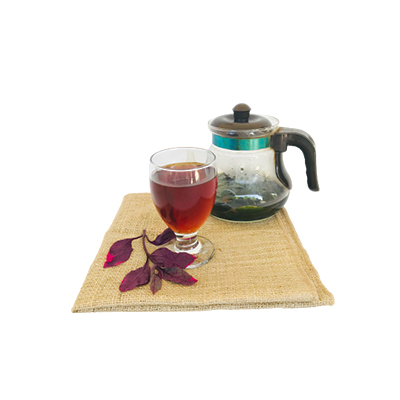
1. Uterine Wall Inflammation
- Wash 20 g fresh leaves until clean.
- Boil with 3 glasses of water until reduced to 1/2 glass then strain.
- Drink all at once.
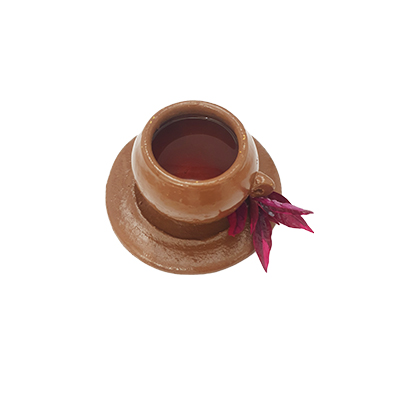
2. Menstrual Pain
- Wash ± 10 g fresh leaves until clean.
- Boil with 1 glass of water for 15 minutes, strain once cool.
- Drink all at once.