Oxalis triangularis A.St.-Hil.
Summary
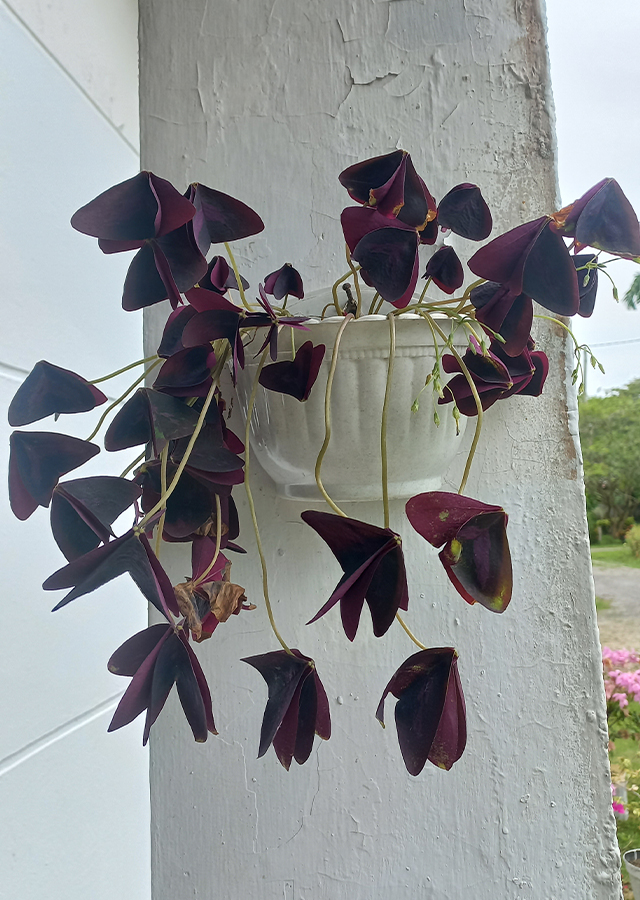
Semanggi besar (Oxalis triangularis) is a herb up to 0.2 meters tall from the Oxalidaceae family that originates from Peru, popular as a potted ornamental thanks to its purple butterfly-shaped leaves. This plant is edible and has proven broad-spectrum antibacterial activity against various pathogens. Semanggi besar is traditionally used as a salve for wounds and skin infections.
Agroecology
Semanggi besar can grow outdoors in warm areas, but prefers shade. Grows in light (sandy) and medium (loamy) soil but well-drained. Suitable for acidic, neutral and alkaline (basic) soil. This plant adapts to dry and moist soil. Can grow in semi-shade (light woodland) or without shade. Water regularly during the active growing season, but let the soil surface dry between waterings. Indoors it requires a cool room temperature of about 15 °C.
Morphology
- Roots fibrous up to 5 cm long and 15 mm wide.
- Tuber looks like a small, unripe pine cone.
- Lower stem tuberous.
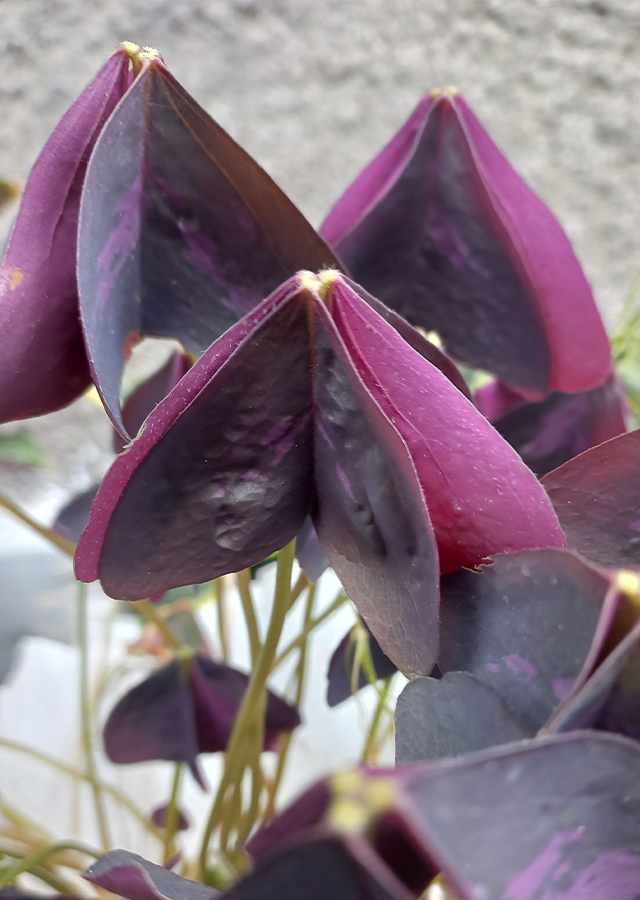
- Leaves trifoliate and petiole 5-15 cm in size. Leaf blade inverted triangular. Leaves sessile with a dark purple, glossy appearance. Is 'photophilic', meaning it can open and close itself in response to light.
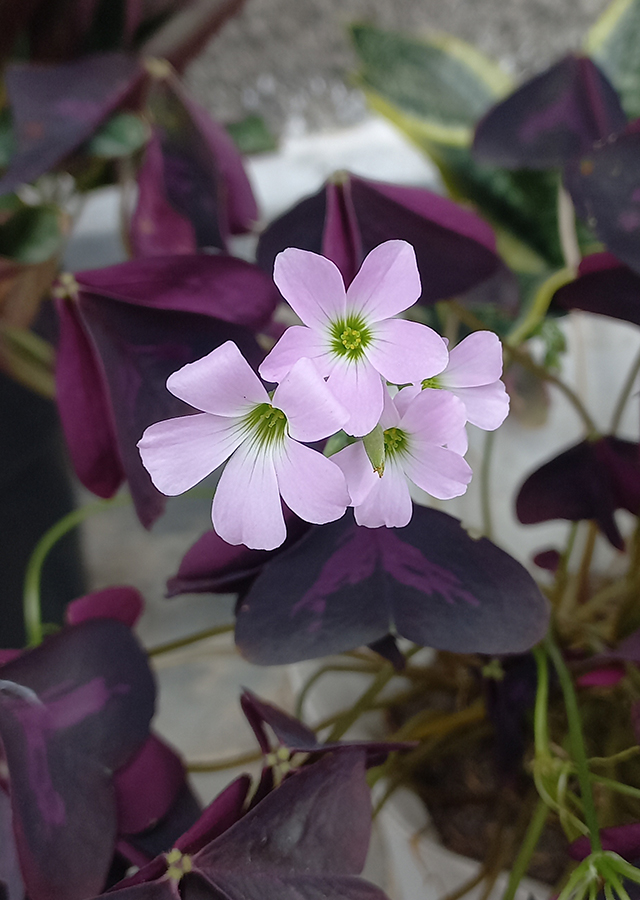
- Flowers pale pink also, has 5 petals, stalked higher above the foliage.
Cultivation
Propagation using seeds (generative) and dividing the rhizome (vegetative). Seeds are best sown as soon as ripe. Plant seedlings into individual pots once they are big enough and ready to plant. Propagated by vegetative offset division (rhizome) from mature clumps or by rhizome (tuber).
Chemical Content
Anthocyanin acetate called malvidin, oxalic acid.
Benefits
Reduces fever discomfort, helps with urinary tract infections, canker sores or boils, a salve for wounds, scrapes, rashes, and skin infections. Has antimicrobial properties, broad-spectrum antibacterial against bacteria including Staphylococcus aureus, Bacillus cereus, Escherichia coli, and Salmonella typhimurium.
Local Names
Calincing kupu, Calincing merah, Calincing ungu, Bunga kupu-kupu
Traditional Recipes
The following recipes reflect traditional knowledge passed down through generations, not a substitute for professional medical diagnosis or advice. Consult a healthcare provider before use.
1. Fever
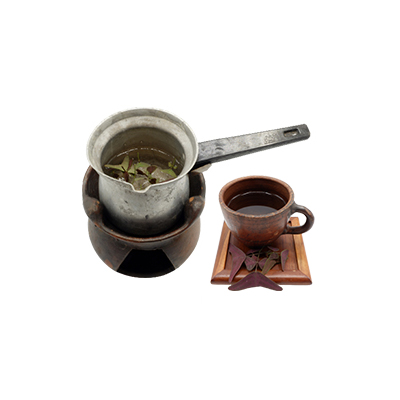
- Take 1 ounce of semanggi besar leaves and wash until clean.
- Boil until reduced to 1 liter of water and the color changes.
- Strain, then drink while warm.
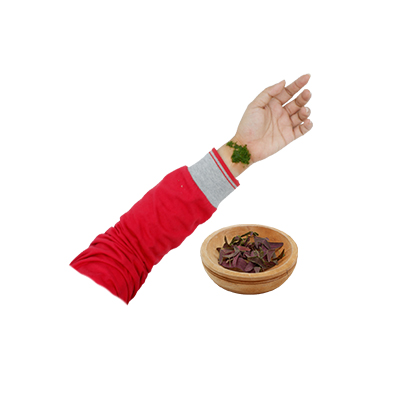
2. Wounds
- Take fresh semanggi besar leaves as needed and wash until clean.
- Mash into a paste.
- Apply the leaf paste to the wound.
Reference Sources
- Useful Tropical Plants Database. 2021. Oxalis triangularis. https://tropical.theferns.info/viewtropical.php?id=Oxalis+triangularis. 05-10-2021.
- Royal Botanical Gardens. 2021. Plants of the World: Oxalis triangularis A.St.-Hil.. http://www.plantsoftheworldonline.org/taxon/urn:lsid:ipni.org:names:375478-1. 05-10-2021.
- Silva S. Arakelyan, Hayk S. Arakelyan. Beauty For Health – Oxalis Triangularis. https://www.researchgate.net/publication/340829095_Beauty_For_Health_-Oxalis_Triangularis. 05-10-2021.
- Home & Living. 2021. Mengenal Bunga Kupu-kupu, Tanaman Mewah Berdaun Ungu, Mekar di pagi hari dan tidur di malam hari. https://www.orami.co.id/magazine/bunga-kupu-kupu/. 05-10-2021.
- Azkurs.org 2020. Medicinal Uses of Oxalis .https://azkurs.org/a-st-hil-or-commonly-known-as-pokok-rama-rama-in-malaysia-is.html?page=5.
- The Encyclopedia of SUCCULENTS. 2021. Oxalis triangularis A.St.-Hil.. http://www.llifle.com/Encyclopedia/SUCCULENTS/Family/Oxalidaceae/30378/Oxalis_triangularis. 05-10-2021.