Paspalum conjugatum P.J.Bergius
Summary
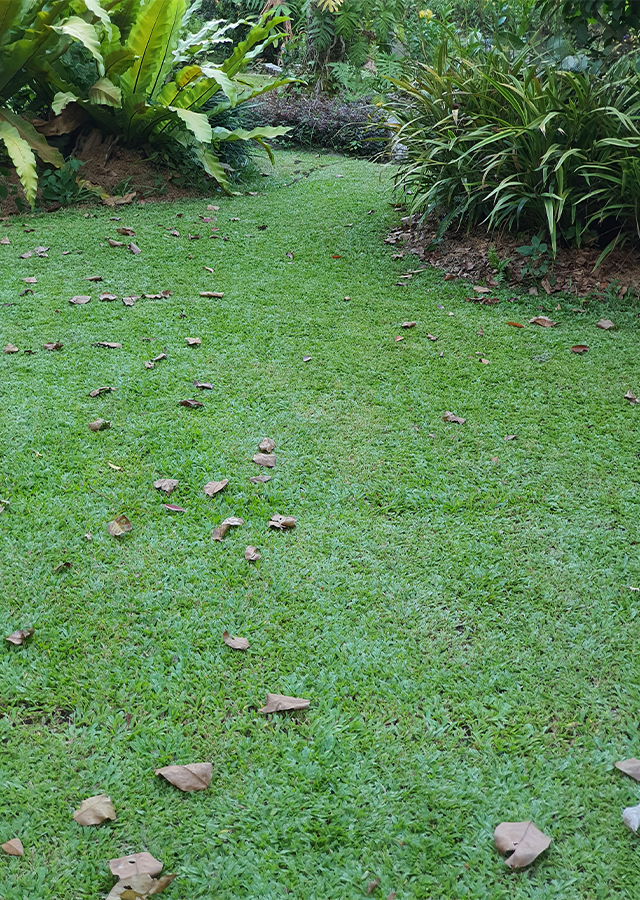
Rumput paitan (Paspalum conjugatum) is a herb 30-60 cm tall of the Poaceae family, originating from tropical America and widely naturalized across Southeast Asia and the Pacific Islands. In Indonesia, this grass is abundant and a favorite animal feed, especially for buffalo. Traditionally, rumput paitan is also believed to help treat wounds, fever, and stomach disorders.
Agroecology
This plant lives in tropical to subtropical regions. Grows well in areas at elevations up to 1,700 m above sea level, rainfall 700-2,500 mm/year, with full sunlight to moderate shade and an annual temperature of around 25-35°C. Often found in fields, under trees, along roadsides and riverbanks.
Morphology
- Roots fibrous.
- Stem branching, reddish to purplish in color.
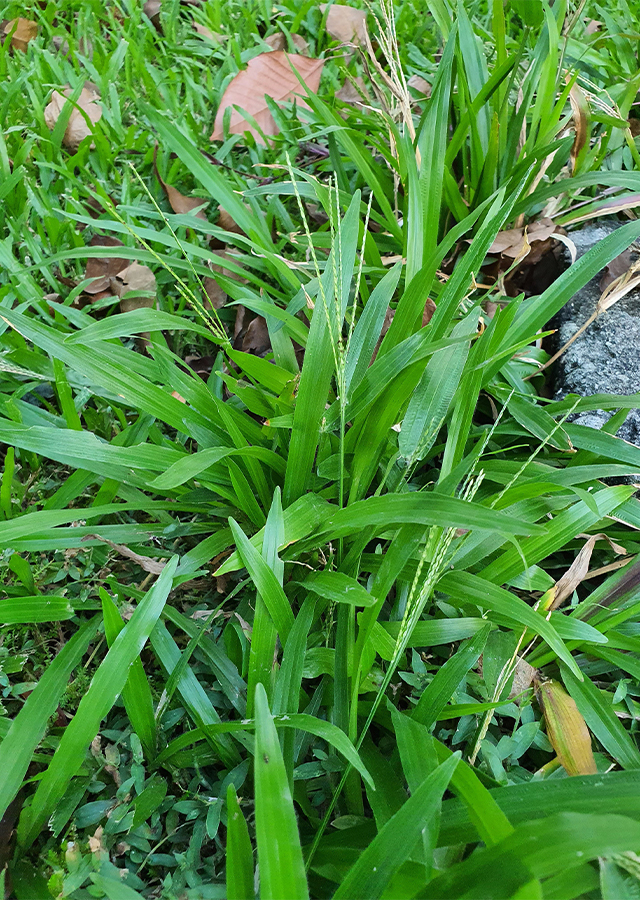
- Leaves smooth, about 8-20 cm long, 5-12 mm wide and tapering.
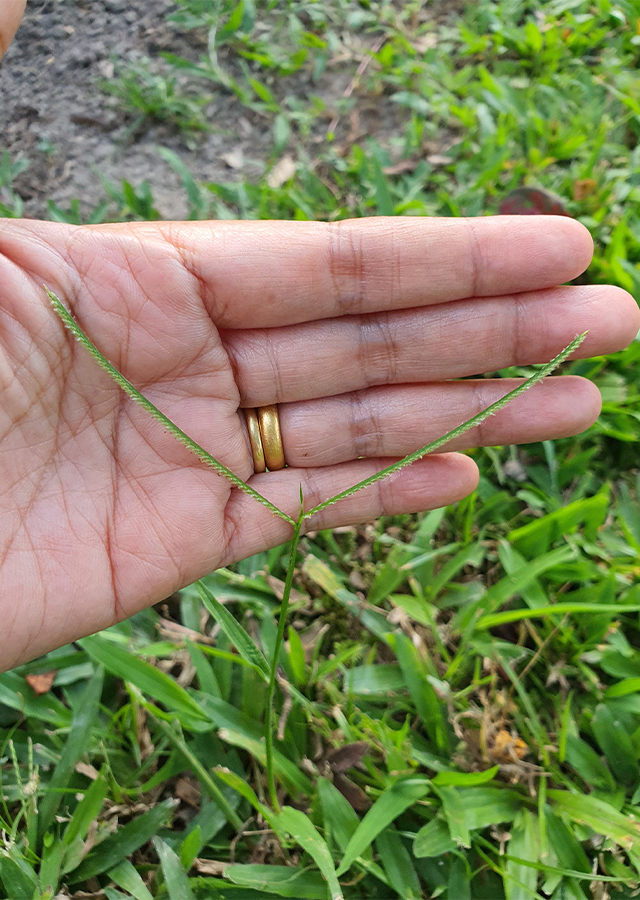
- Flowers with 2-3 blades. Single flowering, growing at the stem tip. Main flower stalk unbranched.
Cultivation
- Rarely germinates from seed, instead spreading through stolons. Flowers around 4 to 5 weeks after germination and continues flowering throughout the year.
- Prostrate stem cuttings using 2-3 nodes per cutting.
Chemical Content
Flavonoids, sterols, tannins, alkaloids, thioglucosides, saponins, steroids, triterpenoids
Benefits
Treats wounds, treats fever, stomach problems, headache remedy, lung disease, diarrhea and dysentery.
Simplisia
Not available
Local Names
Known by the local name Rumput kerbau
Traditional Recipes
The following recipes reflect traditional knowledge passed down through generations, not a substitute for professional medical diagnosis or advice. Consult a healthcare provider before use.
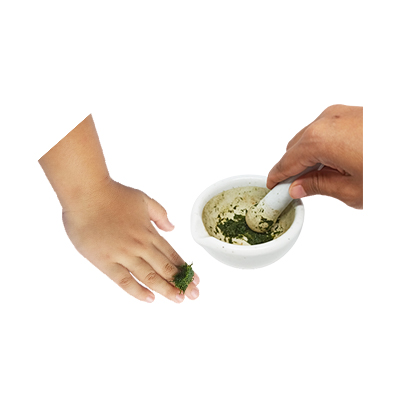
1. Wound Remedy
- Wash several young leaves thoroughly.
- Pound until fine then apply as a poultice on the wound affected by a sharp object.
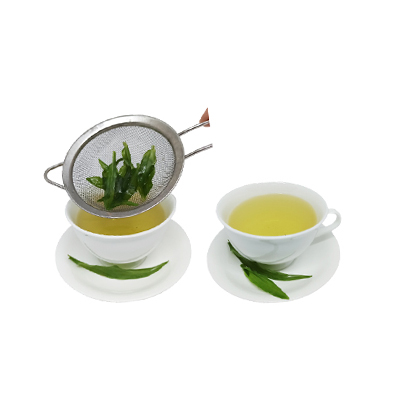
2. Fever
- Prepare an adequate amount of leaves.
- Wash thoroughly then boil until it boils and the water is reduced, cool then strain.
- Drink while warm.