Persicaria minor (Huds.) Opiz
Summary
Kesum, or Vietnamese coriander (Persicaria minor), is an erect annual herb 1-1.5 meters tall of the Polygonaceae family, native to Southeast Asia, including Malaysia, Indonesia, Thailand, and Vietnam. In Malaysia, its leaves are the most popular fresh herb ingredient as well as a natural flavoring in cooking. Traditionally, kesum is also used to address digestive disorders, dandruff, and speed postpartum recovery.
Agroecology
This plant grows in moist locations near ditches, rivers, and lakes, as well as cool, hilly areas. In India and Sri Lanka, kesum is found at elevations up to 800-900 m above sea level.
Morphology
- Roots fibrous.
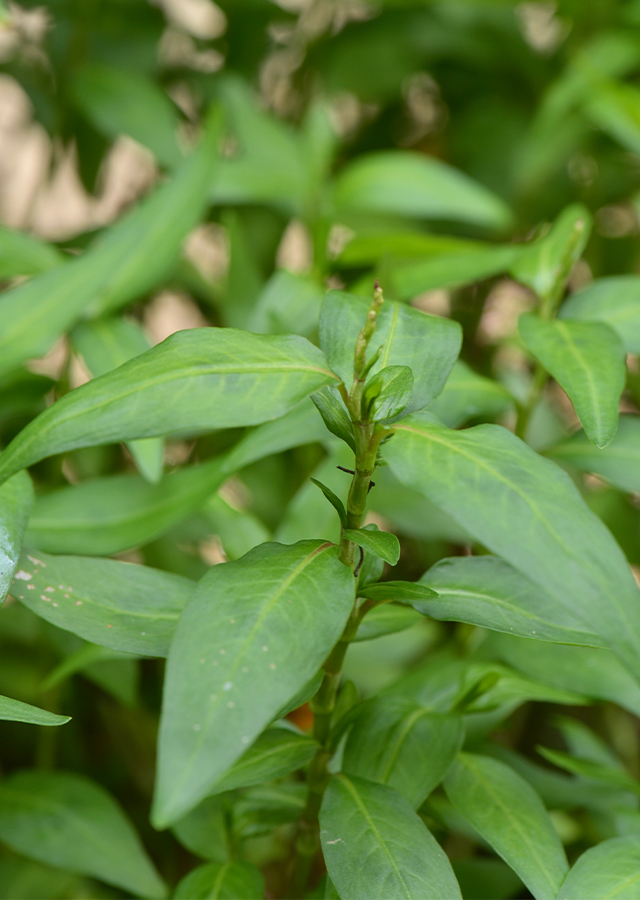
- Stem cylindrical, green and somewhat reddish, with short internodes and nodes that root easily. Mature stems are dark brown.
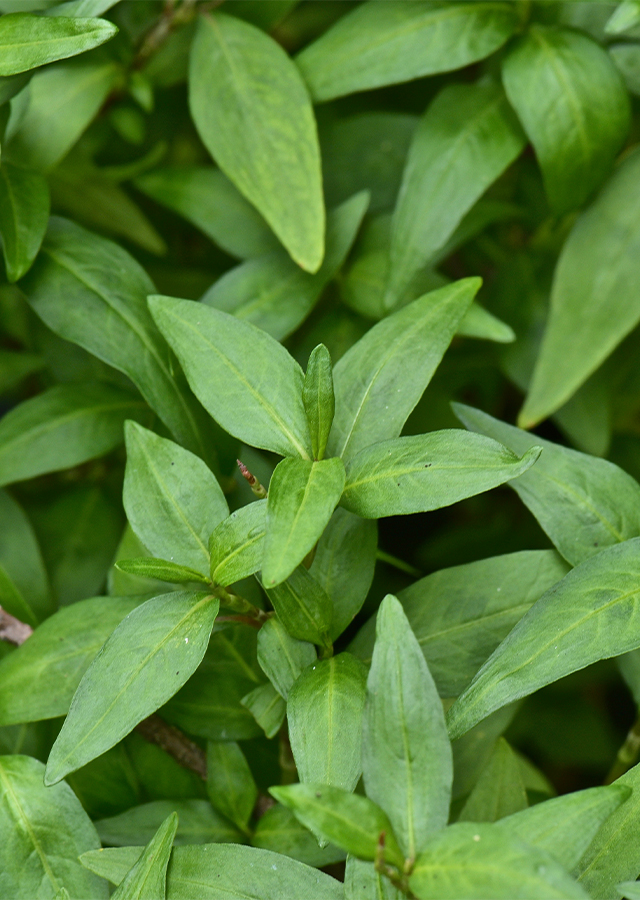
- Leaves dark green, elongated and sharply pointed at the tip, 1.5-2 cm wide and 5.0-7.0 cm long, pinnate venation.
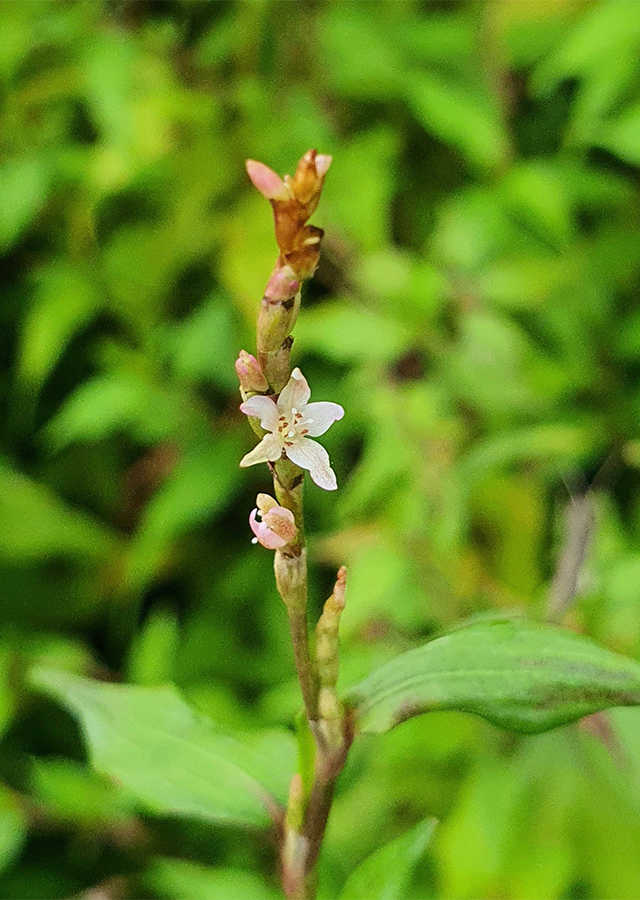
- Flowers have 4 sepals, purplish-white in the center, with white and purplish stigma and filaments.
- Fruit is rare and very small.
Cultivation
- Propagated vegetatively (by cuttings).
- Stem cuttings are taken from a healthy, sturdy parent plant.
- Stem cuttings are made using a stem 15-20 cm long, planted in a prepared growing medium.
Chemical Content
- Alkaloids, flavonoids, β-carotene, aliphatic aldehydes, decanal, dodecanal, tannins, gallic acid, rutin, coumaric acid, quercetin, furanone, benzenedicarboxaldehyde.
Benefits
Treats digestive problems; addresses intestinal worms and delayed menstruation; eliminates dandruff; speeds postpartum recovery; anti-inflammatory; addresses bloating.
Simplisia
- Wash kesum leaves under running water to clean off any adhering debris.
- Dry in indirect sunlight, followed by dry-sorting.
- After dry-sorting, grind the kesum leaves with a blender, then pack in an airtight container.
Local Names
Also known locally as Kesum (West Kalimantan).
Traditional Recipes
The following recipes reflect traditional knowledge passed down through generations, not a substitute for professional medical diagnosis or advice. Consult a healthcare provider before use.
1. Addressing Bloating
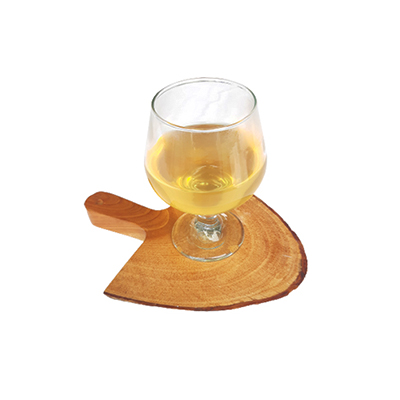
- Boil a sufficient amount of kesum leaves in 2 cups of water until boiling and reduced to 1 cup.
- Drink while warm.
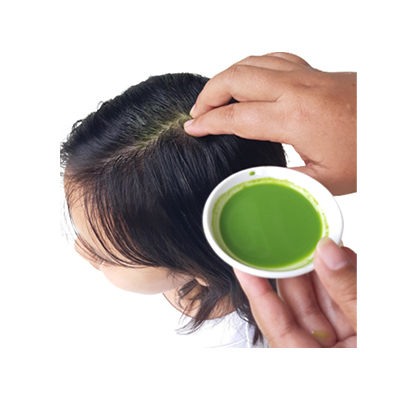
2. Addressing Dandruff
- Pound 1 handful of kesum leaves until mashed, then strain and take the extract.
- Add 2 tablespoons of water, rub gently onto the scalp, leave for 5 minutes, then rinse.