Physalis angulata L.
Summary
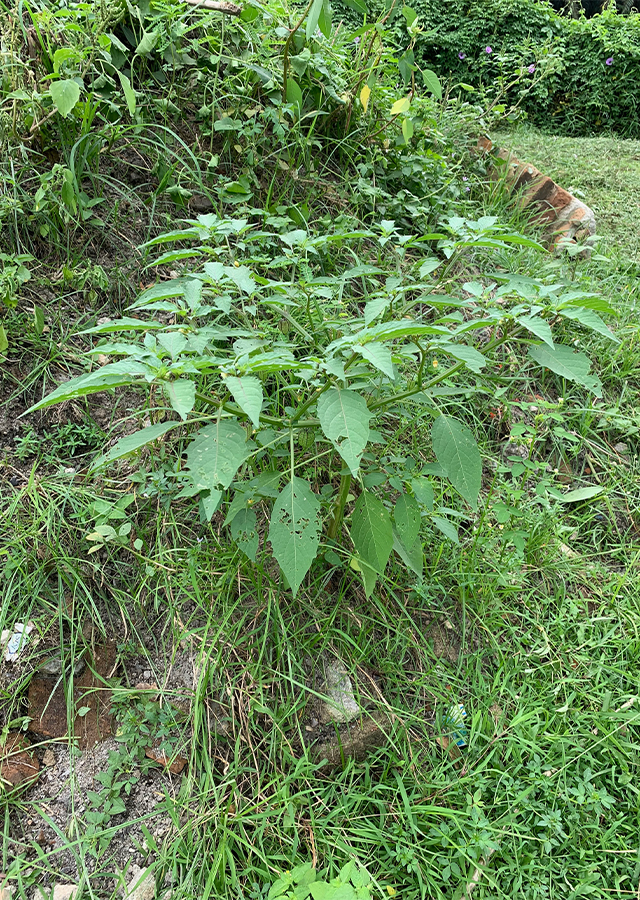
Ciplukan (Physalis angulata) is an annual herb up to 1 meter tall of the Solanaceae family, originating from tropical America and now widely spread around the world. Its fruit, wrapped in a lantern-like husk, can be eaten fresh, while its leaves are made into a vegetable. Traditionally, ciplukan is used in various countries to treat diabetes, bronchitis, and hepatitis.
Agroecology
Grows in lowlands up to elevations of around 1,500 m above sea level, air temperature 18-35 °C. In Java, it is found growing wild in gardens, fields, roadsides, shrubland, light forest, and forest edges. This plant prefers soil rich in organic matter, moist, and well-drained.
Morphology
- Roots taproot which then grows branch roots and then fibrous roots.
- Stem ribbed, sharply angled, hollow, the mature ciplukan stem becomes woody.
- Leaves egg-shaped, tapering tip, leaf length between 5-15 cm and width 2-10 cm.
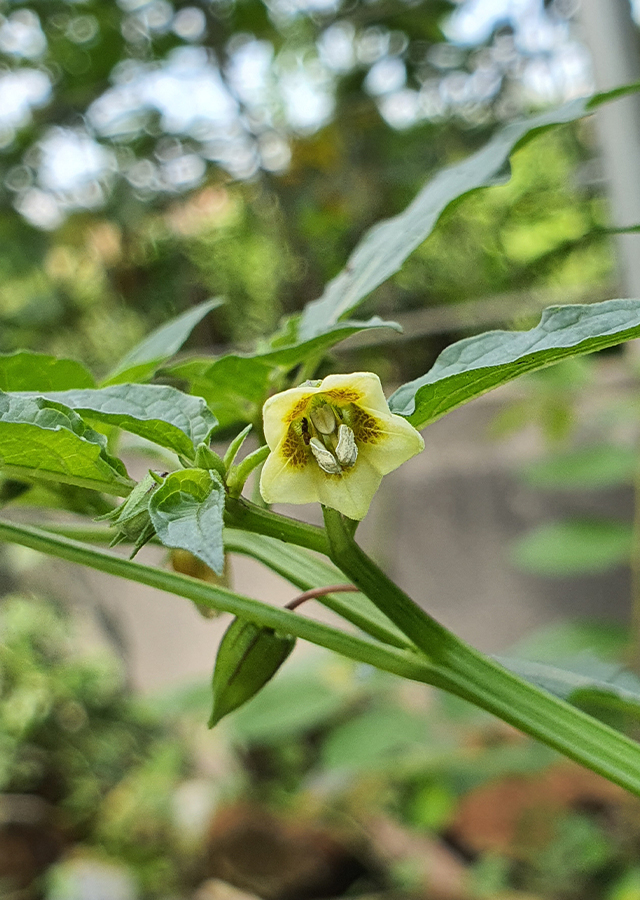
- Flowers located at leaf axils, calyx divided into five, three-cornered and tapering lobes, green with purplish ribs.
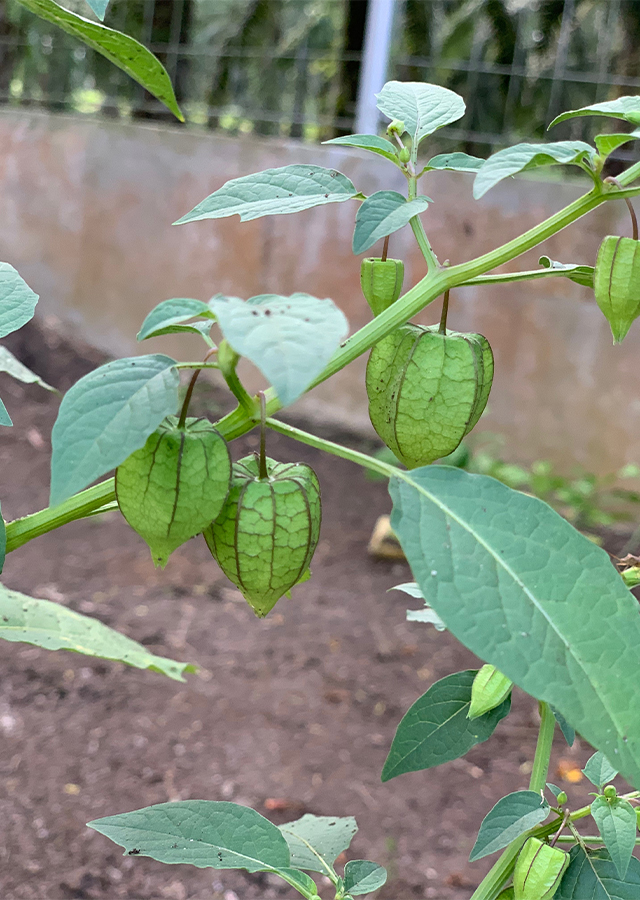
- Fruit a berry contained in a bulging husk shaped like an egg with a pointed tip, pale yellowish-green.
Cultivation
Propagated generatively (by seed) and vegetatively (layering cuttings). Layering is done by bending a branch of the parent plant until it touches the soil then covering with growing medium.
Chemical Content
Saponins, flavonoids, polyphenols, physalin, alkaloids, palmitic acid and stearic acid, terpenoids, tannins, steroids, cryptoxanthin, elaidic acid.
Benefits
Treats diabetes, bronchitis, malaria, hepatitis, stroke, worm remedy, fever reducer, heals broken bones, edema, boils, ulcers, sprains, stomach pain, epilepsy.
Simplisia
- Select fresh ciplukan leaves. Clean off any attached dirt. Wash and drain.
- Slice the leaves and place on a tray, then dry in the sun covered with a thin dark cloth.
- Once dry, put into a clean, tightly sealed, airtight plastic bag.
Local Names
Yoryoran (Madura), Cecendet (Sunda), Kopok-kopokan (Bali), Lelutup (Pontianak), Leletokan (Minahasa).
Traditional Recipes
The following recipes reflect traditional knowledge passed down through generations, not a substitute for professional medical diagnosis or advice. Consult a healthcare provider before use.
1. Boils
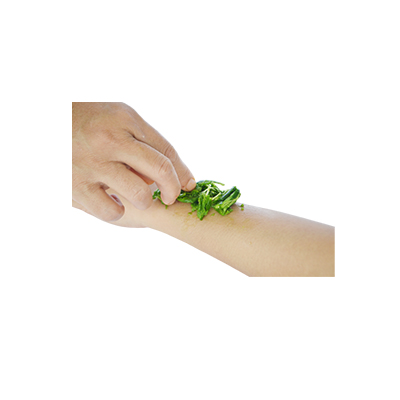
- Clean 10 ciplukan leaves then grind until smooth.
- Apply and wrap on the body part affected by the boil.
- Change the dressing twice a day.
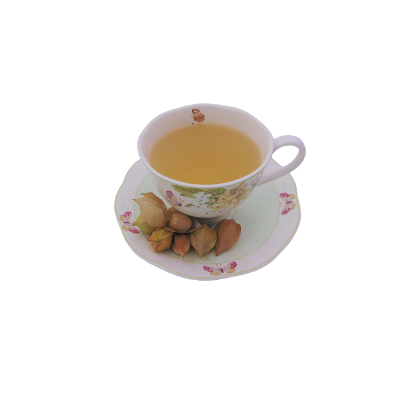
2. Bronchitis (Respiratory Tract Infection)
- Boil 9-15 g ciplukan fruit with 4 glasses of water until reduced to 2 glasses, cool and strain.
- Drink twice a day, 1 glass each time.
Reference Sources
- Ayodhyareddy P, Rupa P. 2015. Ethno medicinal, phytochemical and therapeutic importance of Physalis angulata L.: a review. I.J.S.R. 5(5): 2122-2127.
- Hadiyanti, Nugraheni, Pardono, Supriyadi. 2017. Kerapatan dan sifat morfologi ciplukan (Physalis sp) di gunung Kelud, Jawa Timur. Program Study Agronomi. Program Pasca.
- Kinho J, Arini DID, Tabba S, Kama H, Kafiar Y, shabri S, Karundeng MC. 2011. Tumbuhan obat tradisional di Sulawesi Utara jilid 1. Balai Penelitian Kehutanan Manado, Kementrian Kehutanan.
- Latifah N, Hidayati AA, Yunas SR, Sulistyorini E. 2015. Ciplukan (Physalis angulata L.). Cancer Chemoprevention Reasearch Center Universitas Gadjah Mada https://ccrc.farmasi.ugm.ac.id/?page_id=193 16-12-2019.
- Prosea. 2016. Physalis angulata L. https://uses.plantnet-project.org/en/Physalis_angulata_(PROSEA) 07-06-2019.
- Rahayu SSB. 2002. Physalis angulata (L.) Willd. dalam Van Valkenburg, JLCH, Bunyapraphatsara N. (Editor): Plant Resource of South-East Asia 12(2). Medicinal and poisonous plants 2. Prosea Foundation, Bogor, Indonesia 425.
- Susanti RF, Kurnia K, Vania A, Reynaldo EJ. 2015. Total phenol, flavanoid and antioxidant activity of Physalis angulata leaves extract by subcritical water extraction. Modern Applied Science 9(7): 190-198.