Pinus merkusii Jungh. & de Vriese
Summary
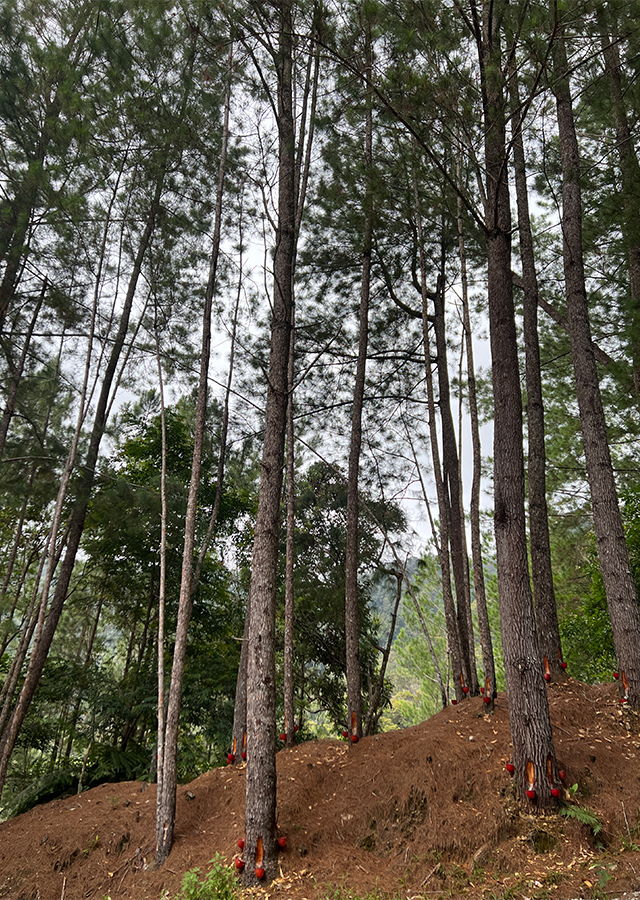
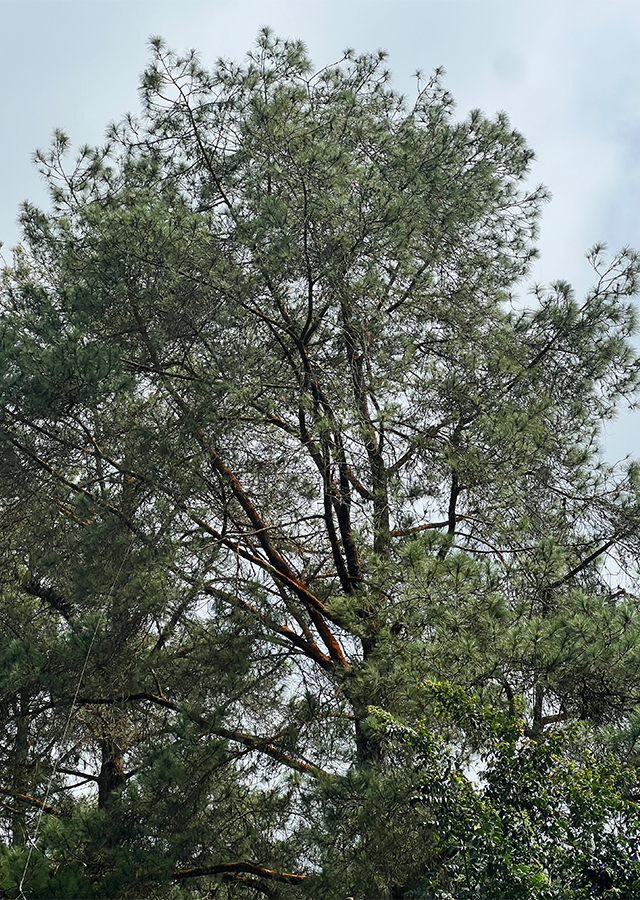
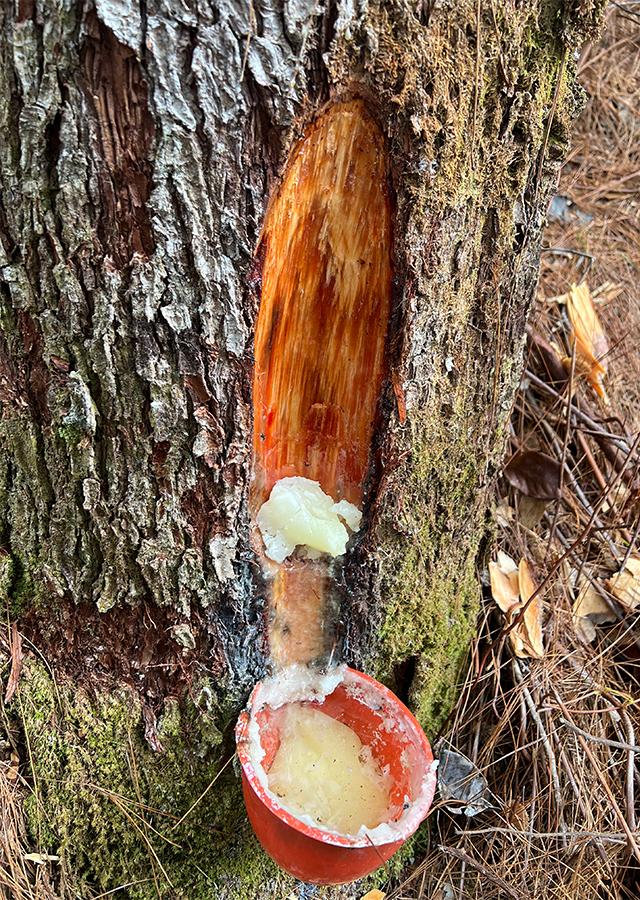
Pinus merkusii, known as Sumatran pine, is a pine species native to Southeast Asia that grows mainly in Aceh, Tapanuli, and Kerinci, making Indonesia one of the top three largest producers of pine resin. Its resin is traditionally used to treat skin disorders, while its fragrant wood is used for aromatherapy and as a raw material for the pulp and paper industry. Classified as 'Vulnerable' on the 2013 IUCN Red List, pine also serves as a pioneer species in rehabilitating degraded land thanks to its resistance to fire and poor soil.
Agroecology
Pinus merkusii is a moist tropical plant found from sea level up to elevations of 2,000 m asl. Grows in areas where mean annual rainfall ranges between 1,000-2,800 mm, sometimes up to 3,500 mm, and mean annual temperature is 21-28°C with mean maximum temperature of the hottest month 24-32°C and mean minimum temperature of the coldest month 18-24°C. This species greatly needs light for its growth. Reduced intensity and shortened duration of sunlight received can hinder tree growth. Able to grow in various soil types, including dry sandy soil, gravelly soil, red tropical loam (latosol), clay soil, alluvial soil, and acidic ultisol on sandstone that is often poorly drained. Prefers a pH range of 4.5-5.5, tolerating 4-6.5. Established plants are resistant to drought and wind.
Morphology
- Trunk straight and cylindrical, can be free of branches for 15-25 m, grayish brown, thick and cracked. Heartwood yellowish brown to orange with dark red streaks and many resin canals, darkening when exposed to light, texture fairly coarse.
- Leaves green, needle-shaped, slender but stiff, 16-25 cm long, and paired.
- Flowers tube-shaped (strobilus/cone) growing singly or in pairs, 5-11 cm long.
- Seeds small, thinly winged, ovate, and easily shed.
Cultivation
- Plant propagation through seed and stem cuttings. Propagation with tissue culture is also possible.
- Seed germinates within 8-21 days. After about 8 months, seedlings grown in the nursery, with a plant height of about 20-25 cm, are ready to be planted in the field.
- Resin harvesting can begin about 15 years after planting.
Chemical Content
Terpenoid allelopathic compounds (monoterpenes α-pinene and β-pinene), flavonoids (pinocembrin), phenols, alkaloids, tannins, saponins, triterpenoids, steroids.
Benefits
Treats skin ailments (scabies, eczema, itching, wounds, sores, boils), mucous membrane diseases and respiratory complaints (cough, colds, influenza, and TB), addresses stress, relieves muscle pain, addresses kidney and bladder complaints (internal application), rheumatism (rub and steam bath). Has several biological activities as anti-inflammatory, antioxidant, and antifungal.
Local Names
Information not found. Further research is needed.
Traditional Recipes
The following recipes reflect traditional knowledge passed down through generations, not a substitute for professional medical diagnosis or advice. Consult a healthcare provider before use.
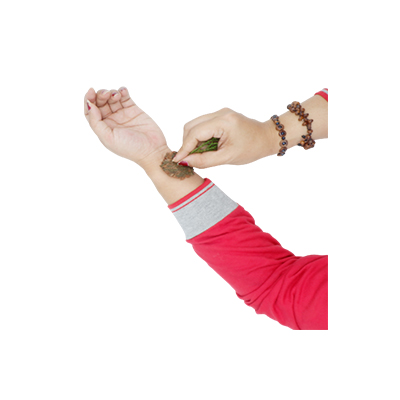
1. Treats itching
- Take an adequate amount of pine sap.
- Apply to itchy skin.
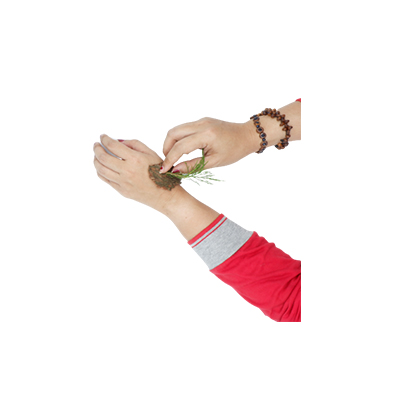
2. Boils
- Take an adequate amount of pine sap.
- Apply to the boil.
Reference Sources
- Royal Botanic Gardens. Plants of the World Online: Pinus merkusii Jungh. & de Vriese. https://powo.science.kew.org/taxon/urn:lsid:ipni.org:names:263108-1. 15-09-2022.
- Tropical Plants Database, Ken Fern. 2022. Pinus merkusii. https://tropical.theferns.info/viewtropical.php?id=Pinus%20merkusii. 15-09-2022.
- Syamsul H., Ria C., Dina S., Izu A. F., dan Iteng D. K. 2016. Jalur Wisata Tumbuhan Obat di Kebun Raya Bogor. Jakarta: LIPI Press.
- Ramadhani F., Girsang E., Florenly. 2021. The Bioactive of Pinus Merkusii Needle and Bark Extract as Antioxidant and Antiaging. JKPK (JURNAL KIMIA DAN PENDIDIKAN KIMIA), 6(1): 78-88.
- Flora Fauna Web. 2022. Pinus merkusii. https://www.nparks.gov.sg/florafaunaweb/flora/3/2/3240. 15-09-2022.
- Sallata M. K. Pinus (Pinus merkusii Jungh et de Vriese) dan Keberadaannya di Kabupaten Tana Toraja, Sulawesi Selatan.