Planchonia valida (Blume) Blume
Summary
Planchonia valida or putat is a large tree distributed from the Malay Peninsula to Papua New Guinea and the Nicobar Islands, passing through much of the Indonesian archipelago. Its strong wood is widely used in building construction and wooden ships, its young leaves are commonly eaten as a raw side dish, while traditionally this plant is believed to be effective at addressing itchy skin, diarrhea, and as a stamina-boosting postpartum tonic.
Agroecology
The natural habitat of putat is generally found growing in moist areas, in undisturbed mixed dipterocarp forests at elevations up to 300 m asl or more. Mostly growing on hillsides and ridges, but also found along riverbanks, and alluvial sites. Putat prefers locations with mean annual rainfall ranging from 1,100 mm to 3,800 mm.
Morphology
- Roots a taproot.
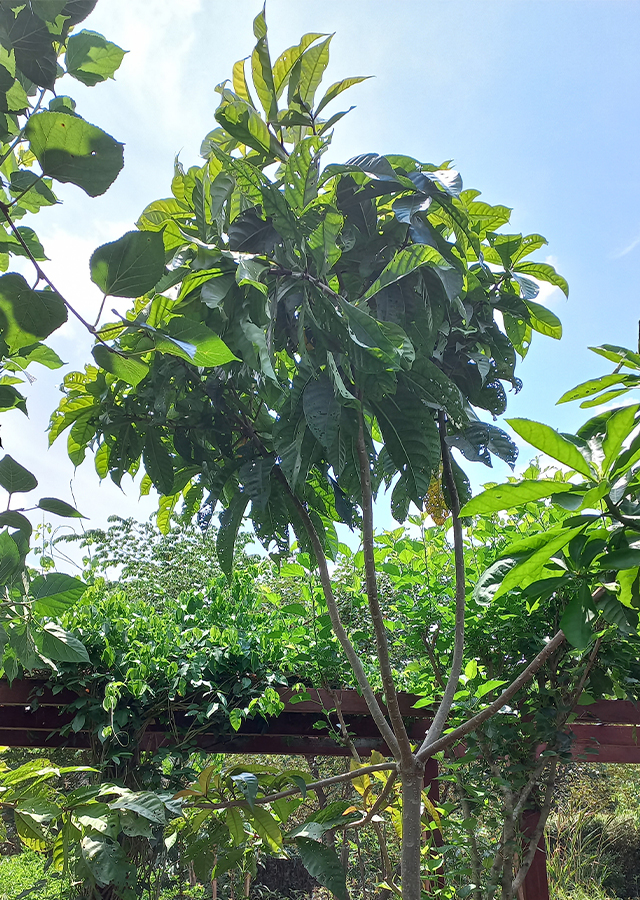
- Trunk straight, unbranched up to 20 m, rough bark, brownish green, while older trees have grayish brown bark. Its bark is very strong.
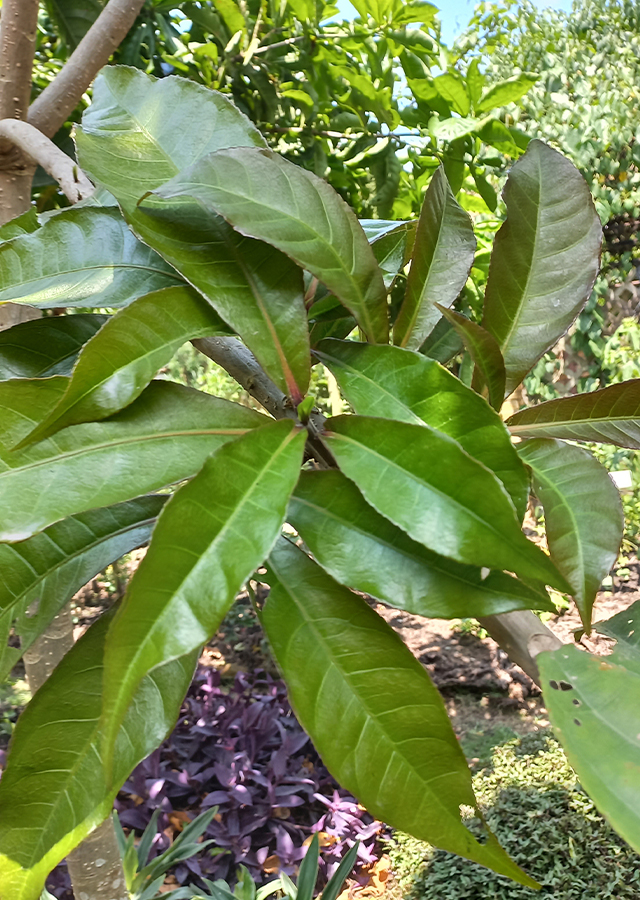
- Leaves single, green, but most turn orange or red to brown when old and fall off after drying, smooth texture. Young leaves (shoots) green, always rolled up. The earliest leaves grow resembling scales, subsequently paired, leaf arrangement scattered, petiolate. The first leaf blade elliptic, narrowly obovate, oblong; the second and subsequent leaf blades obovate, lanceolate, leaf length about 3-6.5 cm and width 1-2.5 cm, base pointed, tip forming a tail, margin toothed and often asymmetric. Number of lateral veins 7-9.
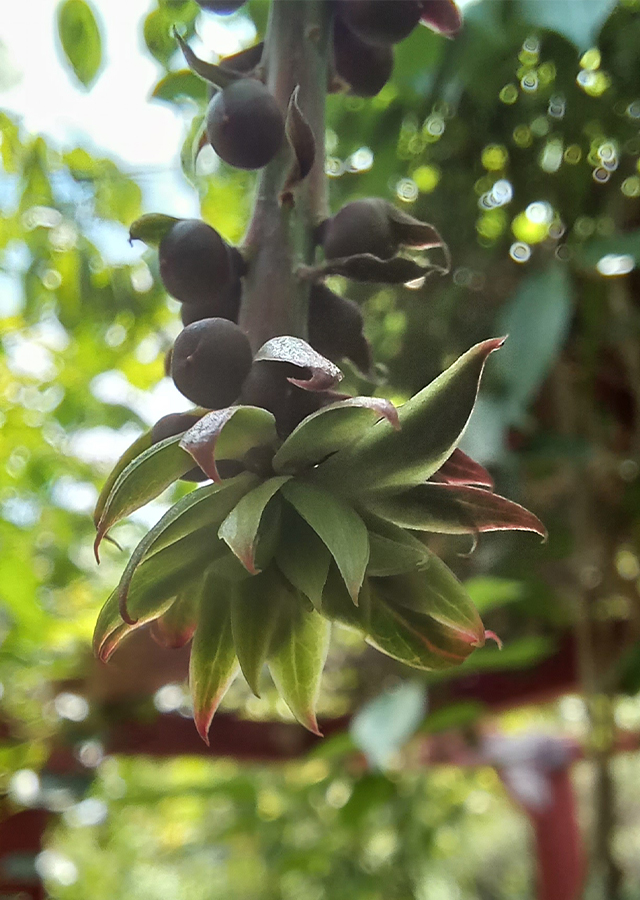
- Flowers arranged in racemes up to 13.5 cm long. Flowers pink, red, to white with conspicuous stamens.
- Fruit a berry, ovoid to ellipsoid shaped, pale green, about 6 cm long.
- Seeds ovoid shaped.
Cultivation
Plant propagation with seed.
Chemical Content
Alkaloids, flavonoids, tannins, saponins, and steroids.
Benefits
Treats skin diseases (itching), diarrhea, internal wounds, body aches, blood booster, increases stamina, a bath water additive after childbirth, an additive to cooling powder to protect the skin from sun exposure (while working in the field) and remove dark spots on the face.
Simplisia
- Prepare an adequate amount of fresh putat leaf shoots, wash clean with running water.
- Shred the leaves.
- Dry under the sun or with an oven at 40°C until the moisture content reaches 10%.
- Grind using a blender until it becomes powder.
- Store in a clean, airtight container.
Local Names
Putat kebo (Jawa), Telisai, Kasui, Putat gajah, Putat paya, Selangan kangkong, Talisei, Talisai bukit, Talisai sugud (Kalimantan), Langaha (Sumba), Kutat (Bali).
Traditional Recipes
The following recipes reflect traditional knowledge passed down through generations, not a substitute for professional medical diagnosis or advice. Consult a healthcare provider before use.
1. Treats stomachache
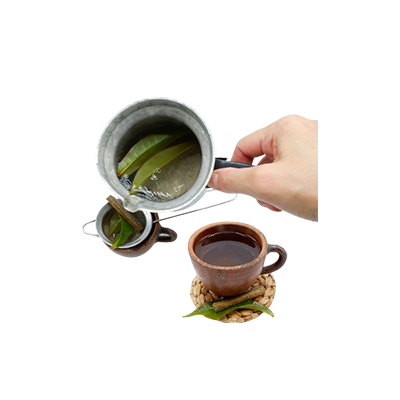
- Prepare young leaves and putat bark and wash until clean.
- Boil until it boils.
- Let it cool to warm/cold.
- Strain then drink.
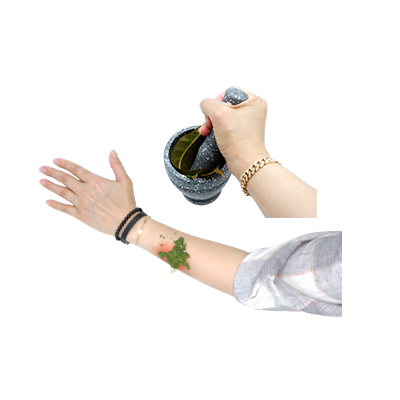
2. Treats skin disease (itching)
- Prepare an adequate amount of putat leaves and wash until clean.
- Grind until it becomes a paste.
- Apply the leaf paste to itchy skin.
Reference Sources
- Royal Botanic Gardens, Kew. Plants of the World Online: Planchonia valida (Blume) Blume. https://powo.science.kew.org/taxon/urn:lsid:ipni.org:names:600600-1. 14-08-2022.
- Tropical Plants Database, Ken Fern. 2021. Planchonia valida. http://tropical.theferns.info/viewtropical.php?id=Planchonia+valida. 14-08-2022.
- Plant Resources of South-East Asia. 2016. Planchonia valida (PROSEA). https://uses.plantnet-project.org/en/Planchonia_valida_(PROSEA). 14-08-2022.
- Kusumanegara A., Pribadi E. Y., Jannah A. M., Yuniar N., Utomo H. S., Ngara D. A. N. 2020. Menyingkap Rahasia Jenis-Jenis Tumbuhan Obat di Taman Nasional Matalawa Sumba-Nusa Tenggara Timur. Balai Taman Nasional Manupeu Tanah Daru dan Laiwangi Wanggameti.
- Wawan Sujarwo, Buck van der Hoeven, dan I Made Raharja Pendit. 2020. Usada: Traditional Balinese Medicinal Plants. Jakarta: LIPI Press.
- Prasad P. R. C., Reddy C. S., Raza S. H., Dutt C. B. S. 2008. Fitoterapia 79: 58–464.
- Dharma I. D. P., Solihah S. M., Kuswantoro F., Yuzammi. 2017. Koleksi Kebun Raya Lombok: Tumbuhan Sunda Kecil. Jakarta: LIPI Press.