Plumeria sp.
Summary
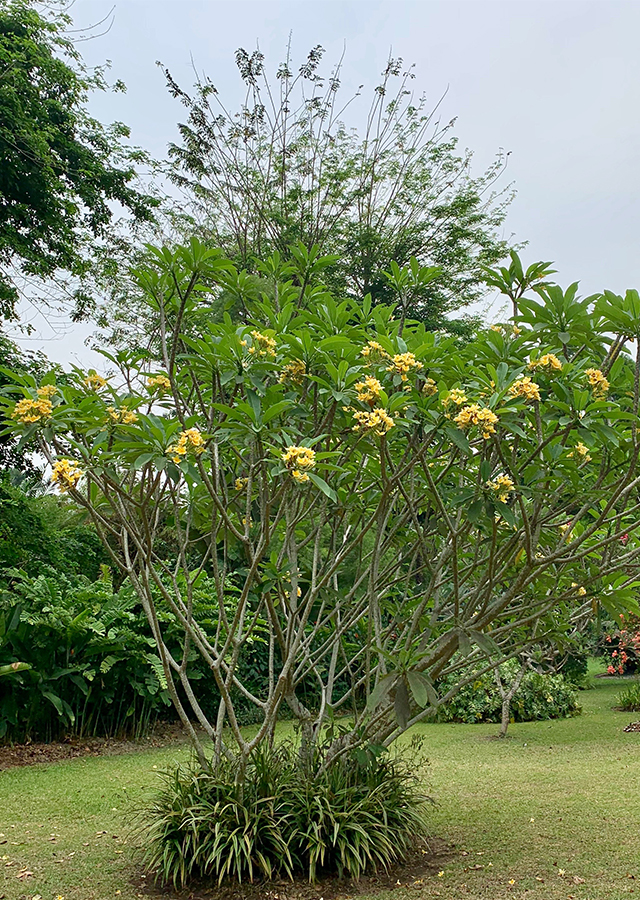
Frangipani (Plumeria sp.) is a small tree 3-7 meters tall of the Apocynaceae family, native to Central America and Africa, brought to the Nusantara by the Portuguese and Dutch. Its fragrant flowers are often used in Hindu religious rituals and processed into essential oil for fragrances. Its sap and bark are traditionally believed to relieve fever, pus-filled boils, and toothache.
Agroecology
A tropical plant that thrives in lowlands up to an elevation of 700 m above sea level. Requires full sun (heat) and little water. Needs well-drained, slightly acidic soil.
Morphology
- Roots taproot with branching, brownish.
- Stem round, hard-woody, crooked with many branches. Young bark is green, turning gray with age.
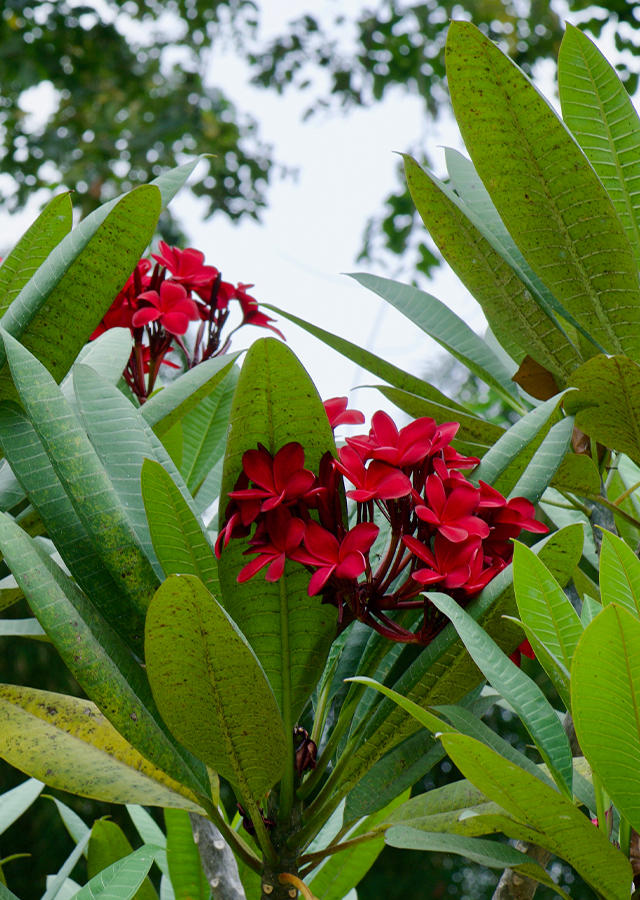
- Leaves simple, lanceolate with tapering tip and base, thick, green, pinnate venation.
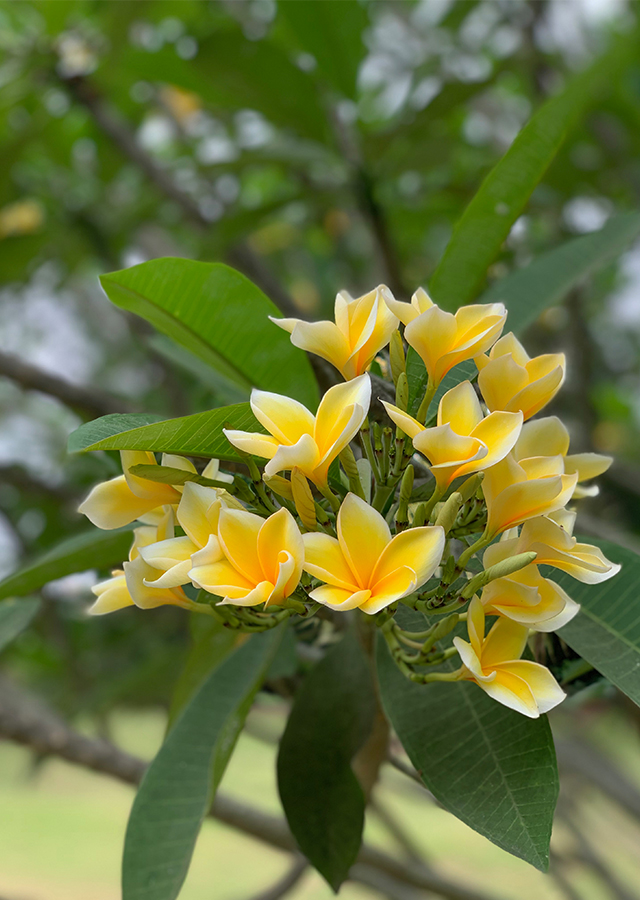
- Flowers compound, trumpet-shaped, 8-12 cm in size, corolla with 5 lobes, various colors, generally white with a yellow center in Indonesia.
- Fruit non-fleshy (follicle), tube-shaped with pointed ends, 15-20 cm long, 1.5-2 cm in diameter.
- Seeds green when young and blackish-brown when mature, numerous and winged.
Cultivation
- Propagated through seed, stem cuttings, budding.
- Seeds are sown in a burnt husk growing medium and sprout to a height of 3-4 cm in about 1 month.
- Stem cuttings are taken from sufficiently mature shoots; twig shoots emerge within 1 month.
- Budding is done on stems of the same size; new shoots emerge within 1 month.
Chemical Content
Agoniadin compounds, plumeric acid, lipeol, serotinic acid, saponins, flavonoids, alkaloids, polyphenols, benzyl salicylate, benzyl benzoate, palmitic acid, lauric acid, myristic acid.
Benefits
Treats gonorrhea, pus-filled boils; relieves toothache and gum swelling; ripens boils; reduces fever; treats cough and scabies, gonorrhea, rheumatism, diabetes.
Simplisia
- Select fresh frangipani flowers of uniform size.
- Wilt the fresh flowers for 24 hours.
- Place in a dryer cabinet at 60°C until the moisture content is 8%.
- Store in a clean, airtight container.
Local Names
Semboja (Java), Samoja, Kamoja (Sunda), Cempaka sabakul (Madura).
Traditional Recipes
The following recipes reflect traditional knowledge passed down through generations, not a substitute for professional medical diagnosis or advice. Consult a healthcare provider before use.
1. Boils, Ulcers, and Toothache
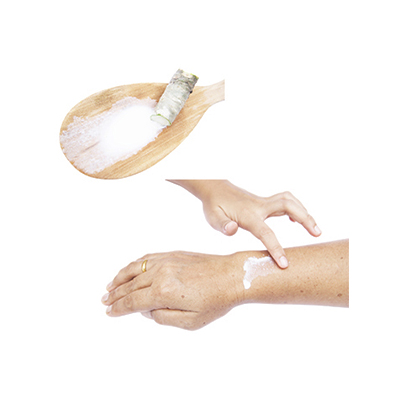
- Cut a fresh stem and collect the sap that comes out.
- Apply to the boil as needed, several times a day.
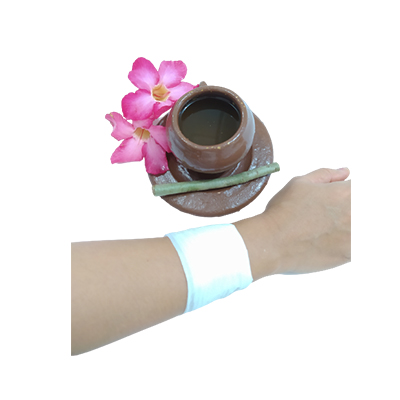
2. Reducing Swelling
- Pound 1 piece of frangipani bark until fine.
- Boil in ½ cup of water until boiling.
- Once warm, use the decoction to soak or compress the swollen part of the body.