Poikilospermum suaveolens (Blume) Merr.
Summary
Poikilospermum suaveolens or mentawan is a woody liana widely distributed from India, Indochina, to the Indonesian archipelago and the Philippines. Various ethnobotanical studies record its traditional use to treat eye ailments, itching, fever, and postpartum care, consistent with findings of antifungal, antiviral, and antiparasitic activity in this plant.
Agroecology
P. suaveolens is found up to elevations of 1,500 m asl, and prefers open forests and thickets, but is rarely found in seasonal forests. Grows easily in moist, well-drained, fertile loamy soil, under full sun to partial shade.
Morphology
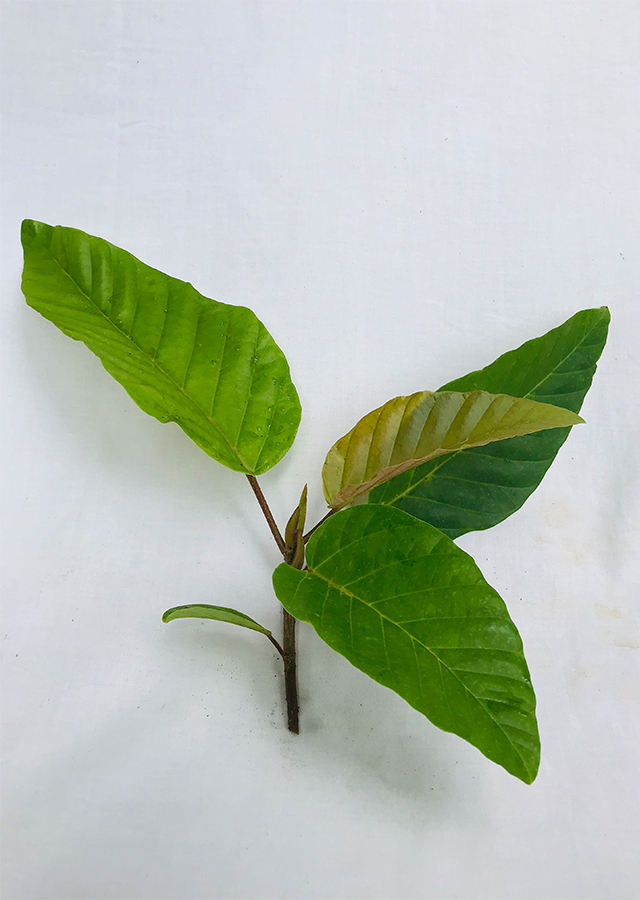
- Leaves alternate and petiolate, blade broadly ovate-oblong, 10-60 by 2-25 cm in size, with purplish veins below.
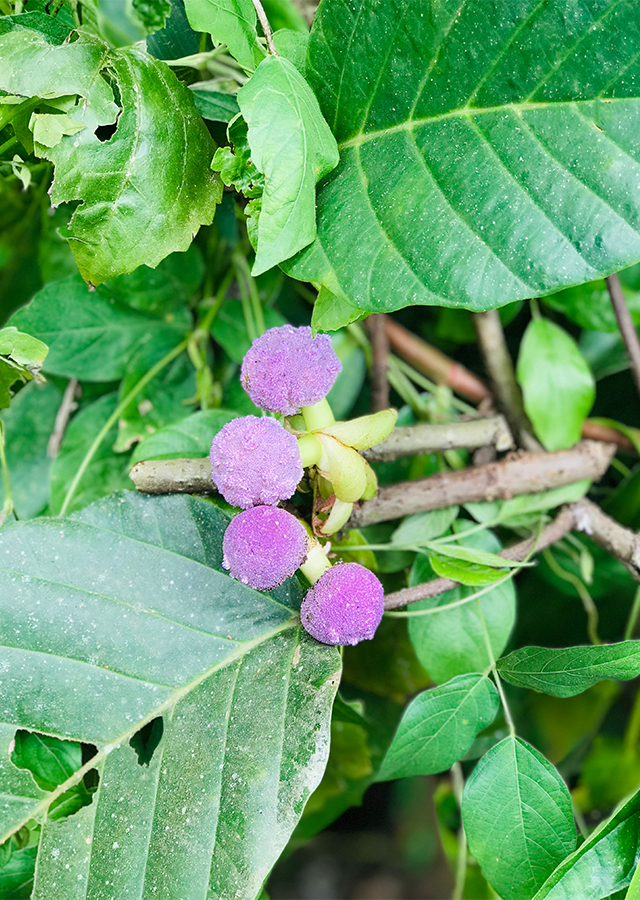
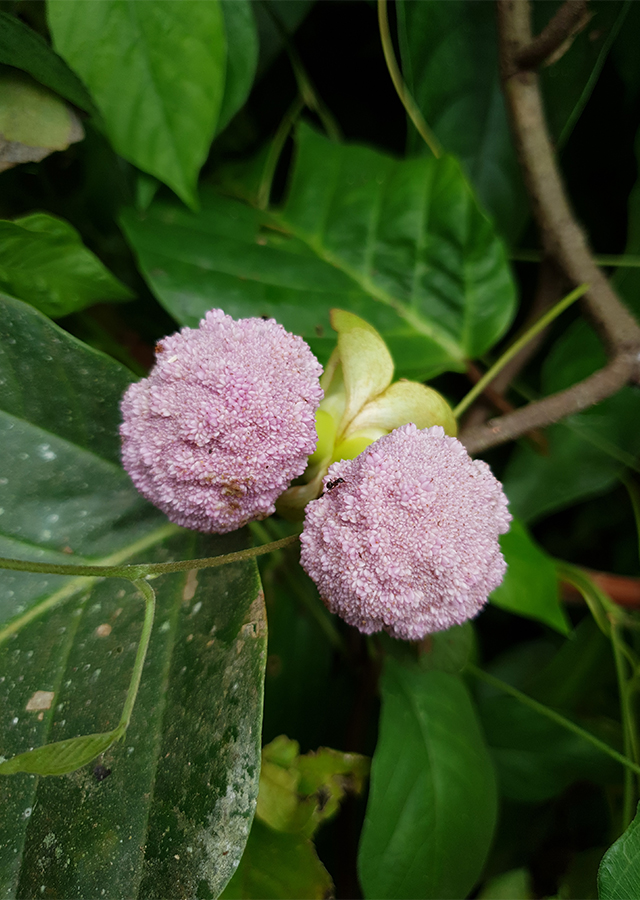
- Flowers small, male flowers 1.5-2 mm long, and female flowers 3-7 mm long, pink. Flowers borne on branched head-like clusters, male clusters 2.5-3.5 cm wide, and female clusters 5-9 cm wide.
- Fruit oblong-obovoid, warty achenes, 3-5 mm.
Cultivation
Propagation is done generatively from seed or vegetatively with stem cuttings.
Chemical Content
Flavonoids, saponins, tannins, and triterpenoids.
Benefits
Relieves or treats eye ailments, as a cooling remedy for fever, for itching, beriberi, used in postpartum herbal bath preparations, for gastritis, applied to wounded skin, for postpartum treatment.
Local Names
Besto (Jawa), Areuy kakejoan (Sunda), Akar rundang.
Traditional Recipes
The following recipes reflect traditional knowledge passed down through generations, not a substitute for professional medical diagnosis or advice. Consult a healthcare provider before use.
1. Itching
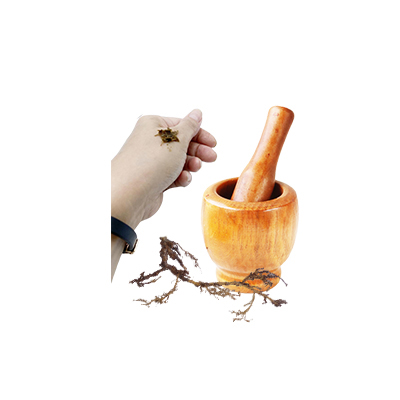
- Take an adequate amount of mentawan root and wash until clean.
- Grind the root until it becomes a paste.
- Apply the root paste to itchy skin.

2. Wounds
- Take an adequate amount of mentawan sap.
- Apply to the wound.
Reference Sources
- Royal Botanic Gardens. Plants of the World Online: Poikilospermum suaveolens (Blume) Merr.. 13-05-2022. https://powo.science.kew.org/taxon/urn:lsid:ipni.org:names:856050-1#synonyms,
- Flora Fauna Web. 2021. Poikilospermum suaveolens (Blume) Merr.. 13-05-2022. https://www.nparks.gov.sg/florafaunaweb/flora/6/0/6068.
- Stuartxchange. Philipphine Medicinal Plants: Hanopol. Poikilospermum suaveolens (Blume) Merr.. 13-05-2022. http://www.stuartxchange.org/Hanopol.html#,
- Hartati, Muhammad Habil, Andi Irma Suryani, Sahribulan. 2020. Analisis Fitokimia Ekstrak Tumbuhan Poikilospermum suaveolens. Prosiding Seminar Nasional Biologi FMIPA UNM. Inovasi Penelitian Biologi dan Pembelajarannya di Era Merdeka Belajar . ISBN: 978-602-52965-8. Makassar, 8 Agustus 2020,
- H.A.M. van der Vossen and M. Wessel. 2000. Plant Resources of South-East Asia. No 16. Stimulant. Backhuys Publishers, Leiden.https://edepot.wur.nl/411317