Polygala paniculata L.
Summary
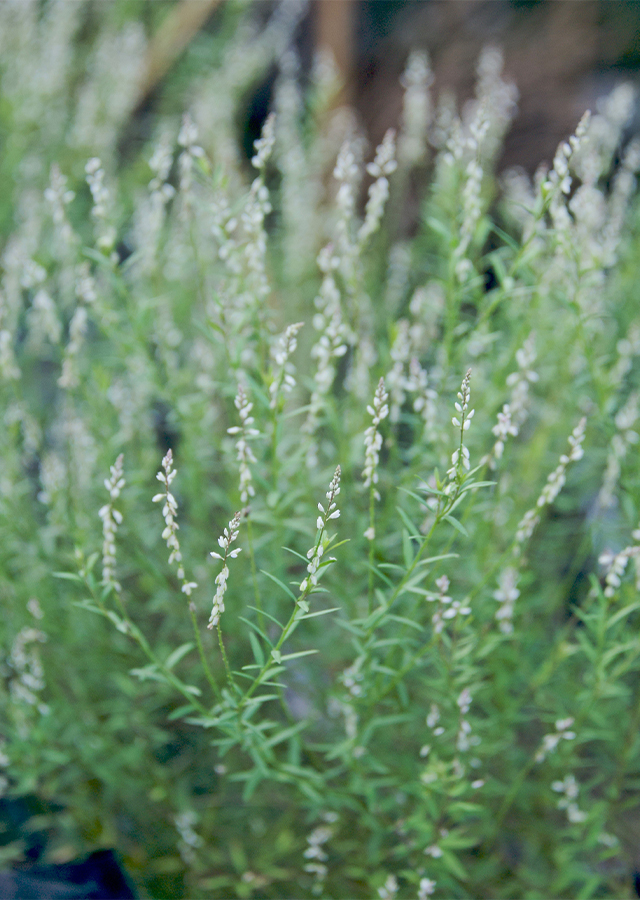
Rumput remason (Polygala paniculata) is an annual herb up to 50 cm tall of the Polygalaceae family, originating from tropical America, from Mexico to Brazil, and introduced to Southeast Asia since the 17th century. Its balsam-like aroma led communities in East Kalimantan to nickname it the 'balsam plant'. Its sweet, warming root is traditionally believed to relieve rheumatism and cough.
Agroecology
Rumput remason grows at elevations up to 2,250 m above sea level. This plant prefers light and can grow in various soil types, especially sandy, moist soil. Generally found in abandoned fields and plantations. Rumput remason blooms year-round in humid climate areas.
Morphology
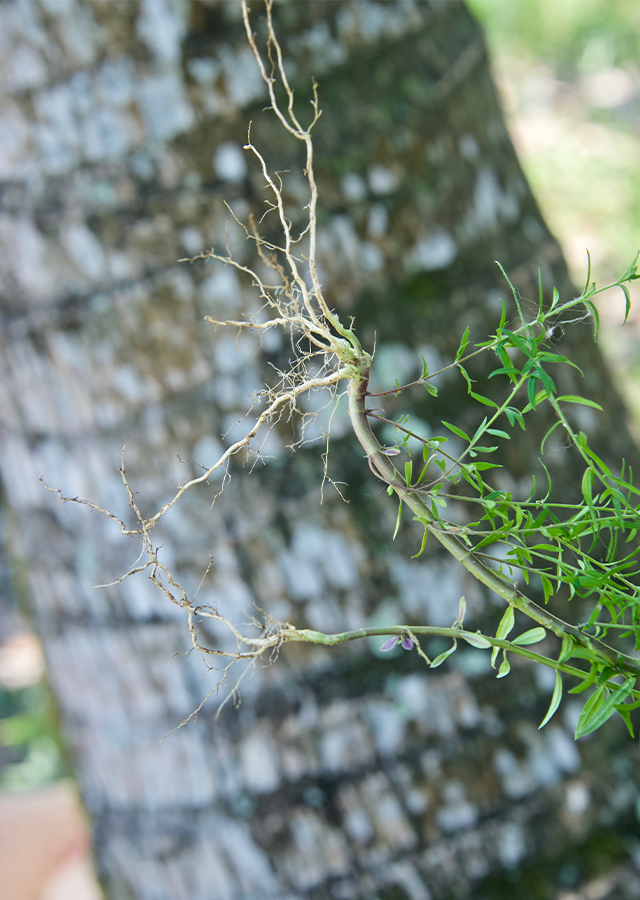
- Roots taproot and fragrant.
- Stem heavily branched, jointed.
- Leaves single, lance-shaped 5-20 x 1-4 mm, tapering leaf tip, bright green, pinnate venation.
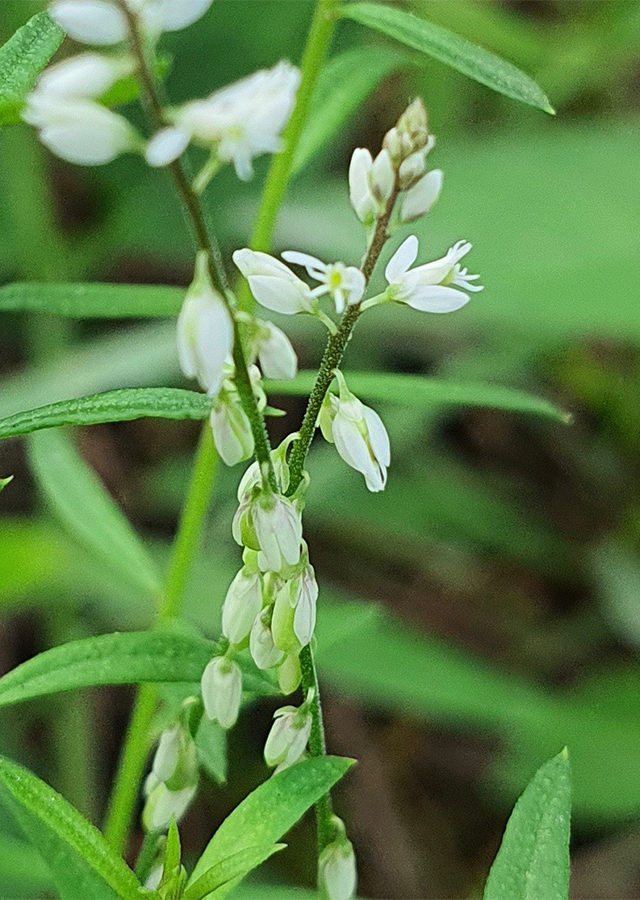
- Flowers small white, located at the tip, spike-shaped, blunt, whitish and sometimes purple.
- Seeds very small, black in color.
Cultivation
- Propagated generatively (by seed).
- After flowering and producing seeds, this plant dies in the same year. Life cycle of 4-5 months.
Chemical Content
Alkaloids, flavonoids, tannins, steroids, saponins, coumarin (aurapten, phebalosin, murrangatin, 7-methoxy-8-coumarin), methyl salicylate.
Benefits
Treats rheumatism and wounds, boosts stamina, addresses cough or lung pain, has anticancer cytotoxic, antibacterial and antifungal activity.
Simplisia
- Prepare the whole fresh rumput remason plant.
- Dry the material in direct sunlight. Spread the material out or hang it for approximately 8 hours.
- Once dry, store in a clean, vacuum-sealed container.
Local Names
Jukut rindik, Jukut tikukur, Katumpang lemah, Sasapuan (Sunda), Tumbuhan balsem (East Kalimantan).
Traditional Recipes
The following recipes reflect traditional knowledge passed down through generations, not a substitute for professional medical diagnosis or advice. Consult a healthcare provider before use.
1. Rheumatism and Wounds
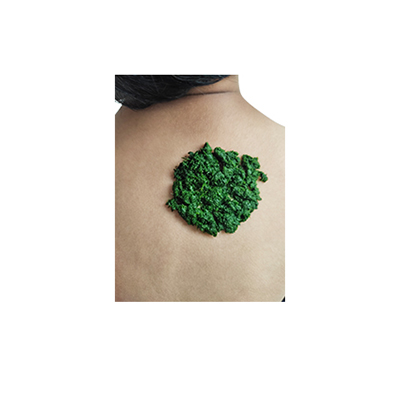
- Clean an adequate amount of fresh remason leaves, then mash the leaves.
- Apply to the back affected by rheumatism or to the wound.
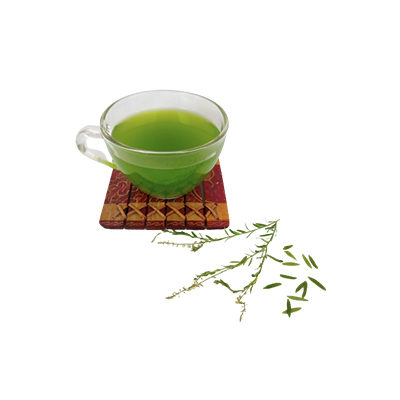
2. Cough or Lung Pain
- Pound the leaves then take the extract.
- Mix the extract with warm water then drink.
Reference Sources
- Rijai L. 2013. Potensi herba tumbuhan Balsem (Polygala paniculata Linn) sebagai sumber bahan farmasi potensial. J. Trop. Pharm. Chem. 2(2): 105-112.
- Sutomo S. 2012. Polygala paniculata L. sebagai alternatif tanaman obat di taman obat keluarga. Buletin Udayana Mengabdi 6(2).
- Mawarti A. 2002. Analisis metil salisilat dari Polygala paniculata L. dengan metode kromatografi lapis tipis dan kromatografi gas. Skripsi. Universitas Senata Dharma. Yogyakarta.
- Porsea . 2016. Polygala paniculata L. https://uses.plantnet-project.org/en/Polygala_ paniculata_(PROSEA)