Pontederia vaginalis Burm.f.
Summary
Eceng padi (Pontederia vaginalis) is an aquatic plant 10-50 cm tall of the Pontederiaceae family, estimated to originate from Asia and distributed to the Pacific islands and India. This weed is also used as a vegetable, animal feed, and handicraft material. Traditionally, eceng padi is believed to address stomach disorders, shortness of breath, and fever.
Agroecology
This plant grows in watery areas such as swamps, freshwater ponds, muddy areas, and rice fields, with optimum pH 5.0-6.5, at land elevations of 0-700 m above sea level. Prefers adequate sunlight, annual daytime temperature 22-35 °C, average annual rainfall 1,200-2,000 mm/year.
Morphology
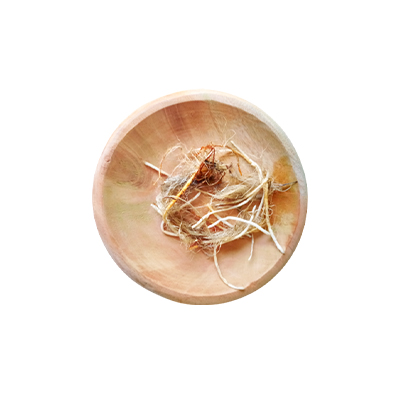
- Roots fibrous, white in color, and easily pulled out.
- Stem pseudostem (rhizome) short in size.
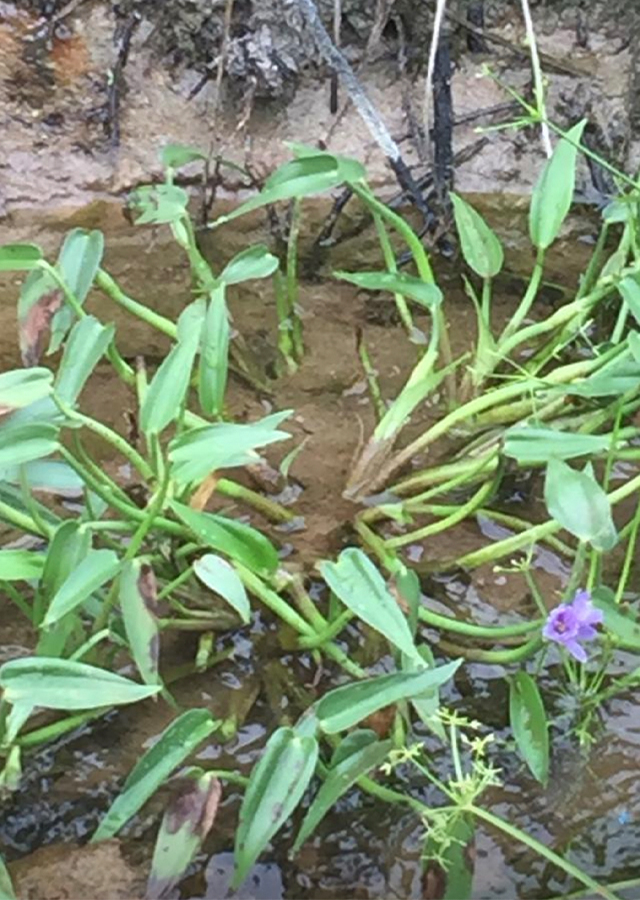
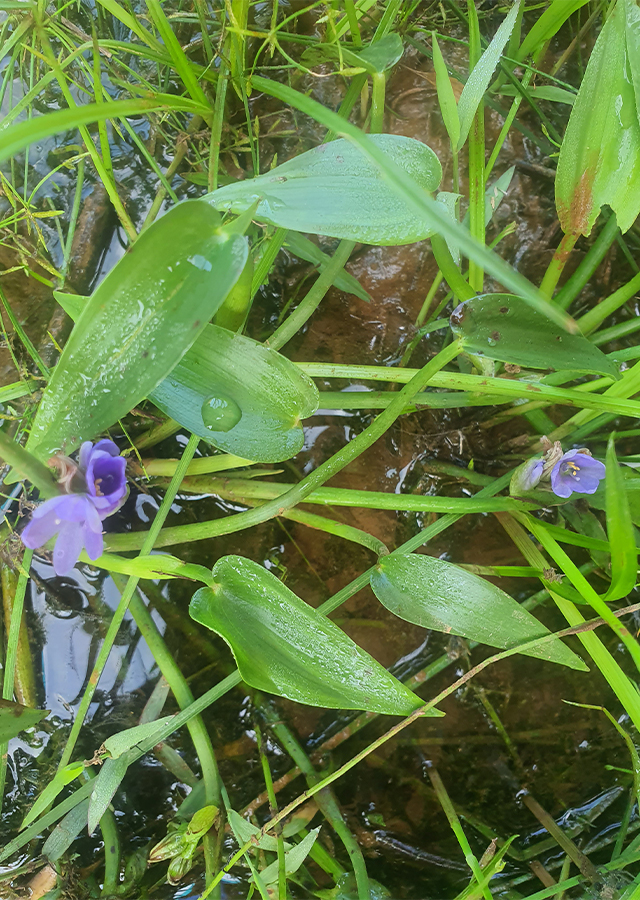
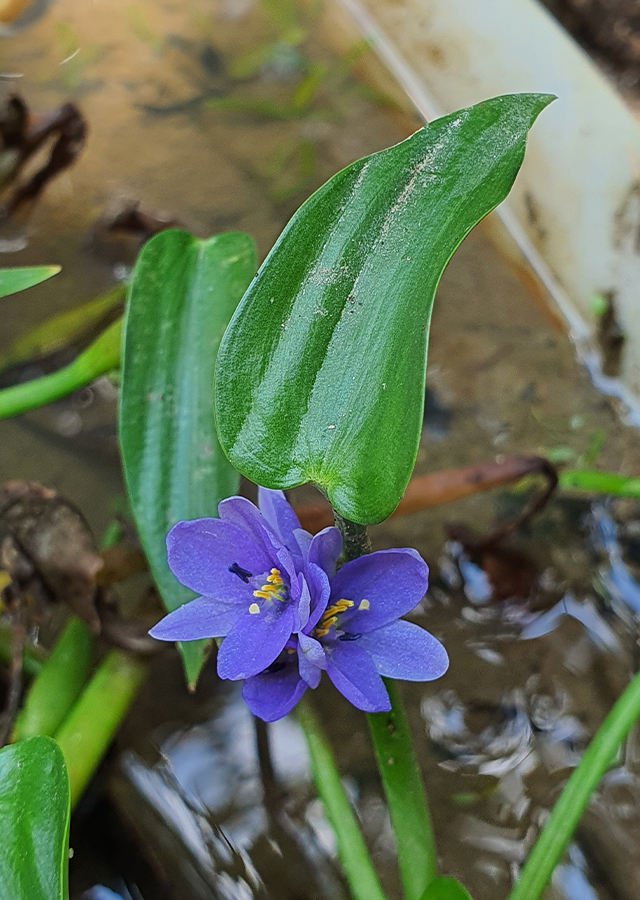
- Leaves oblong round shaped with a tapering tip and heart-shaped leaf base. Leaf length 2-12.5 cm and width 0.5-10 cm, spreading vascular bundles. Leaf stalk hollow, less than 30 cm long and growing from the base of the plant.
- Flowers spikelet-shaped, 3-6 cm long, each spikelet has about 3-25 flowers. Petals purple in color, 6 blades, 11-15 mm long, flower stalk 4-25 mm.
- Seeds oblong shaped with 8–12 seed lines.
Cultivation
- Propagated using seed or shoots.
- Planting time to harvest is 30 days. Harvesting is done by pulling out the whole plant including the root.
Chemical Content
Amino acids, alkaloids, saponins, phenolic compounds, tannins, flavonoids, glycosides, cardiac glycosides, phytosterols, alnustone, anigorufone, anigorootin, phenylphenalenone.
Benefits
Treats stomach and liver disease, shortness of breath, toothache, stomach ache, fever, cough and boils.
Simplisia
- Select fresh leaves. Clean off attached dirt. Wash and drain.
- Place on a tray then dry for several days and cover with a thin dark colored cloth.
- Once dry, put into a clean, tightly sealed, airtight plastic bag.
Local Names
Eceng leutik (West Java), Wewehan (Java), Biah-biah (Bali), Tumpeng (Minahasa).
Traditional Recipes
The following recipes reflect traditional knowledge passed down through generations, not a substitute for professional medical diagnosis or advice. Consult a healthcare provider before use.
1. Toothache
- Prepare an adequate amount of fresh eceng padi root.
- Wash thoroughly with no dirt attached.
- Chew the root in the mouth, suck the extract and discard the residue.
2. Boils
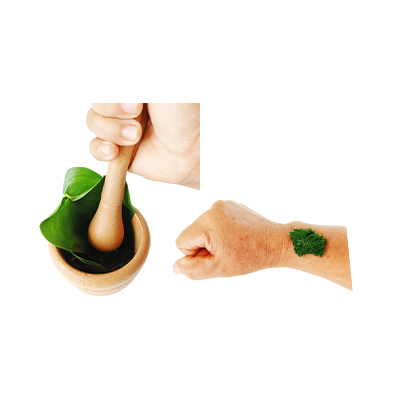
- Prepare an adequate amount of fresh eceng padi leaves.
- Wash thoroughly then pound until it becomes a paste.
- Apply to the boil area.