Psophocarpus tetragonolobus (L.) DC.
Summary
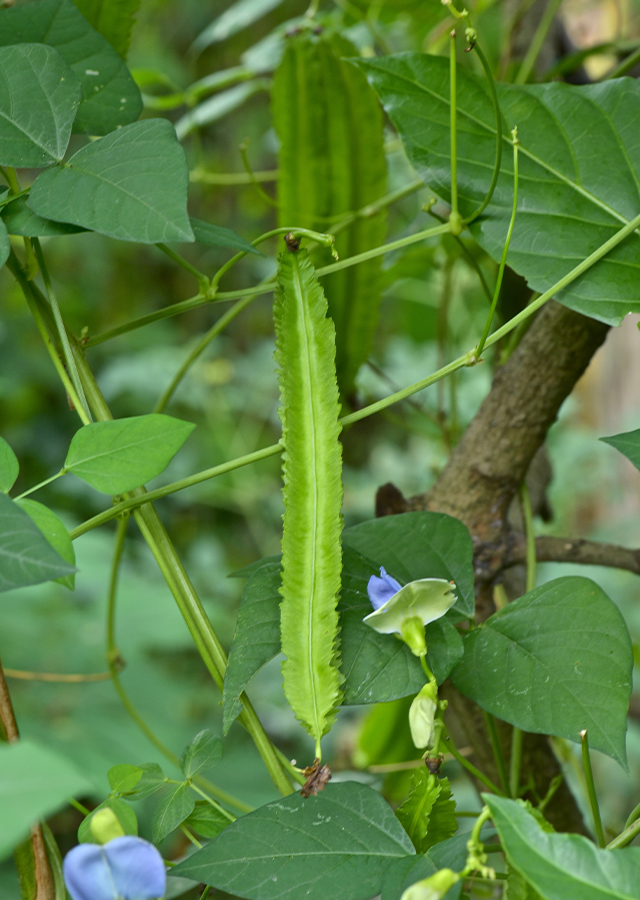
Winged bean (Psophocarpus tetragonolobus) is an annual climbing plant up to 4 meters tall of the Fabaceae family, believed to be native to Papua New Guinea, now distributed to East Africa, India, and Southeast Asia. Its pods, rich in protein and fiber, make it a highly nutritious vegetable in many Nusantara kitchens. Besides being eaten, winged bean is also traditionally used to strengthen bones and treat boils.
Agroecology
Grows in tropical regions in humid lowlands up to an elevation of 2,000 m above sea level. Favors a dry climate with rainfall of 1,000-2,500 mm/year, air temperature of 18-30 °C, soil pH of 5.5-7, full sun, and good drainage (no waterlogging).
Morphology
- Roots taproot with long lateral roots, spreading flat near the soil surface, some thickening into tubers.
- Stem cylindrical, jointed.
- Leaves compound with three leaflets, ovate to triangular.
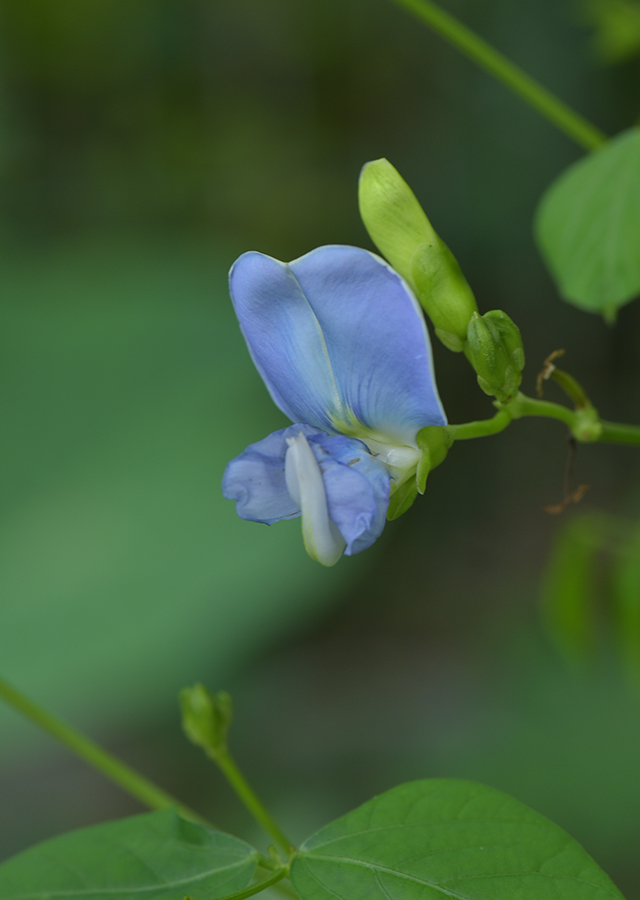
- Flowers bluish-white, butterfly-shaped, in clusters of 2-10 blooms, growing in the leaf axils, bisexual.
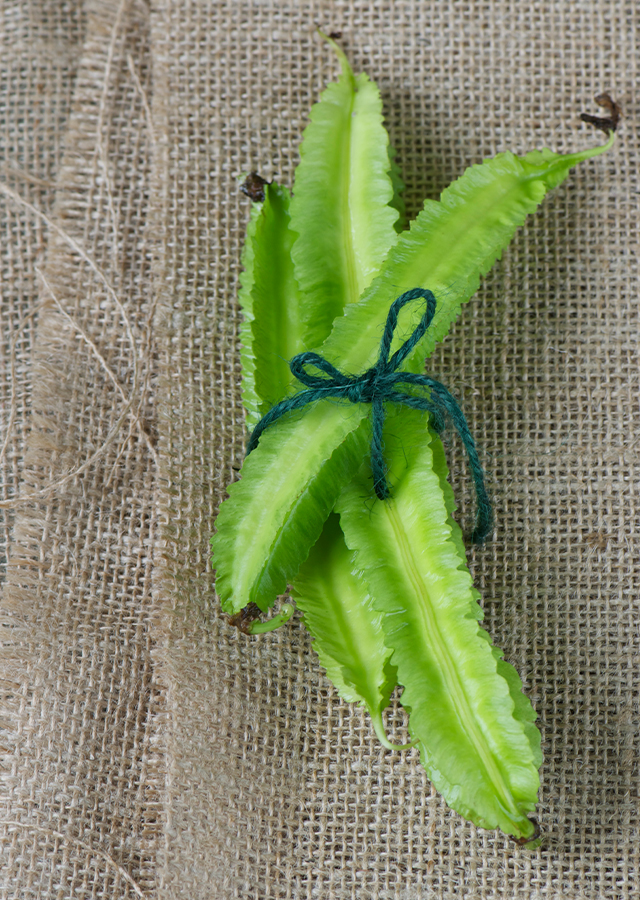
- Fruit a pod, straight and square-shaped with four toothed wings.
- Seeds round, 5-10 mm in diameter, yellow, brown to black, sometimes white, sometimes speckled, 5-21 per pod.
Cultivation
Propagated generatively (by seed), taken from a healthy, prolific, pest- and disease-free mature parent plant.
Chemical Content
Polyphenols, flavonoids, tannins, phytate, lectins, phytoglutenins, cyanogenic glycosides, saponins, terpenoids, steroids.
Benefits
Strengthens the immune system; anticancer; strengthens bones; helps prevent birth defects; maintains body vitality; aids weight loss; treats boils, swollen eyes, and earache.
Simplisia
- Pick 3 leaves from the shoot tip, in the morning.
- Sort the leaves, wash and clean under running water. Once clean, drain by air-drying indoors for 1 day.
- Then dry by air-drying for 10 days.
- Store in airtight plastic.
Local Names
Kacang belimbing (North Sumatra, West Sumatra), Kacang embing (Palembang), Jaat (Sunda), Cipir (Java), Kelongkang (Bali), Biraro (Manado).
Traditional Recipes
The following recipes reflect traditional knowledge passed down through generations, not a substitute for professional medical diagnosis or advice. Consult a healthcare provider before use.
1. Swollen Eyes and Earache
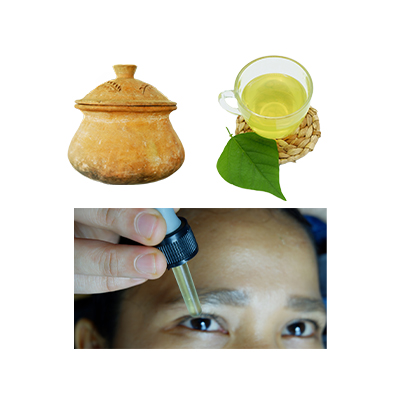
- Boil several winged bean leaves in a little water until boiling.
- Once cool, drip the decoction into the eye or ear.
Reference Sources
- Fern, Ken. (2019). Useful Tropical Plants Database. Psophocarpus tetragonolobus (L.) DC. http://tropical.theferns.info/viewtropical.php?id=Psophocarpus+tetragonolobus 27-08-2020.
- Ibuki, F. Kan, K.K. Kanamori, M. (Kyoto Prefectural Univ. (Japan). Faculty of Agriculture) Kotaru, M. et al. (1983). Chemical Composition of Winged Bean (Psophocarpus tetragonolobus) Varieties. Journal of Nutritional Science and Vitaminology. 29 å·» (1983) 5 å·. https://doi.org/10.3177/jnsv.29.621. https://www.jstage.jst.go.jp/article/jnsv1973/29/5/29_5_621/_article/-char/ja/ on 27-08-2020.
- Health Benefits times. (No date). Winged bean (Psophocarpus tetragonolobus). https://www.healthbenefitstimes.com/winged-bean/ on 27-08-2020.
- Lim, T.K. (2012). Edible Medicinal And Non-Medicinal Plants: Vol. 2, Fruits. Springer. DOI 10.1007/978-94-007-1764-0_1. (pp. 867-878).
- PROTA. (2015). Plant Resources of Tropical Africa. Psophocarpus tetragonolobus. https://uses.plantnet-project.org/en/Psophocarpus_tetragonolobus_(PROTA) 27-08-2020.