Pterocarpus indicus Willd.
Summary
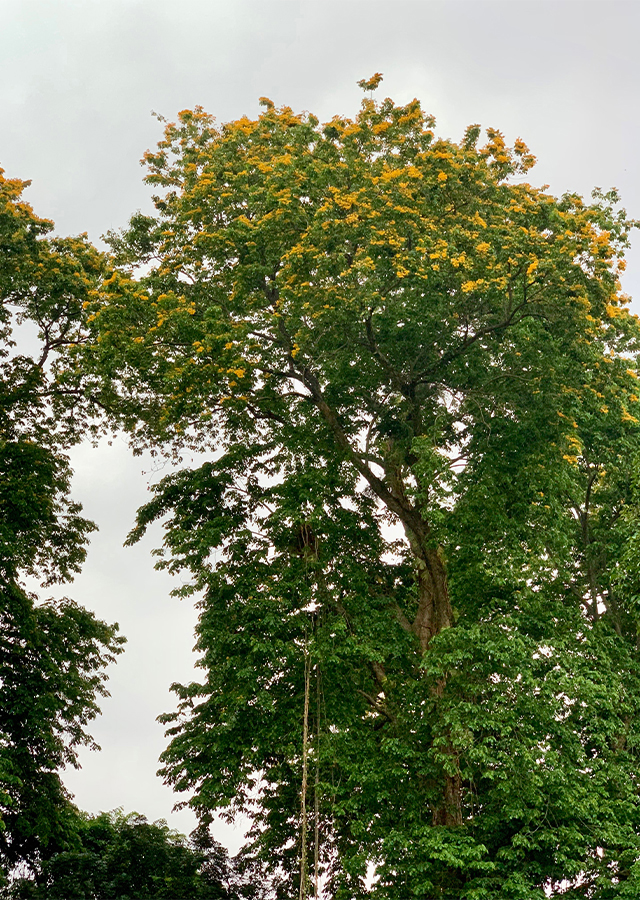
Angsana (Pterocarpus indicus) is a large tree up to 40 meters tall of the Fabaceae family, distributed from southern Burma to the Solomon Islands, including Sumatra, West Java, Kalimantan, and Papua New Guinea. Its highly valued timber is commonly used for furniture, while the tree itself is popular as a roadside shade tree. Traditionally, angsana is also believed to treat canker sores, kidney stones, and burns.
Agroecology
Found in lowland primary and secondary forests, coastal forests, and coral sand. Grows well in various soil types from fertile to rocky at a pH of 5.5-6.5, ideal in tropical regions at elevations of 0-750 m above sea level, at temperatures of 24-32 °C, with rainfall of 2,000-3,000 mm/year.
Morphology
- Roots known as buttress roots, protruding and jutting outward.
- Trunk cylindrical with grayish-brown bark, finely scaly, with reddish clear sap.
- Leaves compound, 5-13 leaflets, alternately arranged on the leaf axis, ovate to somewhat oblong, rounded base and pointed tip, bright green, hairless, and thin.
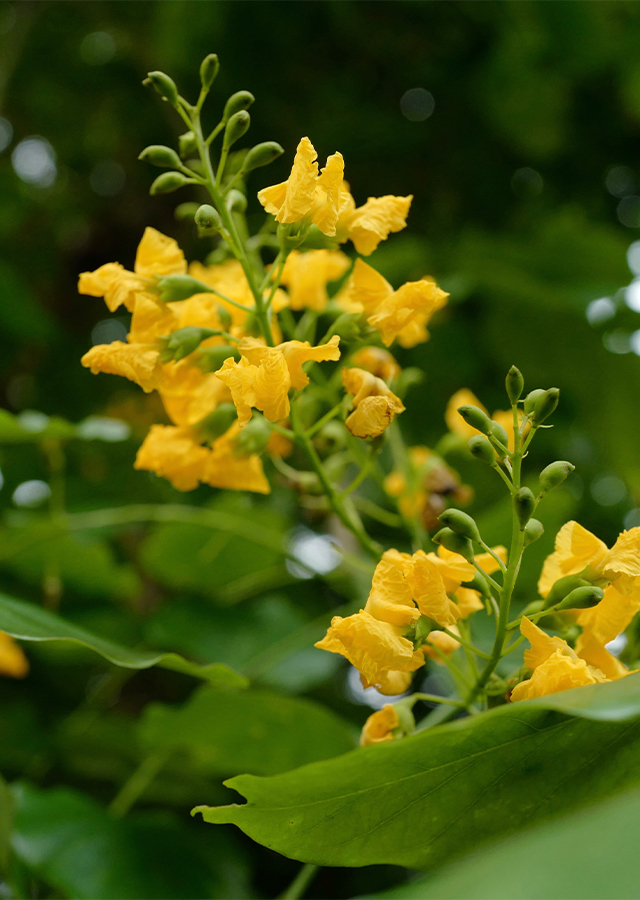
- Flowers fragrant, compound, panicle-shaped, bright yellow to orange-yellow, bell-shaped calyx, petals 16-18 mm long.
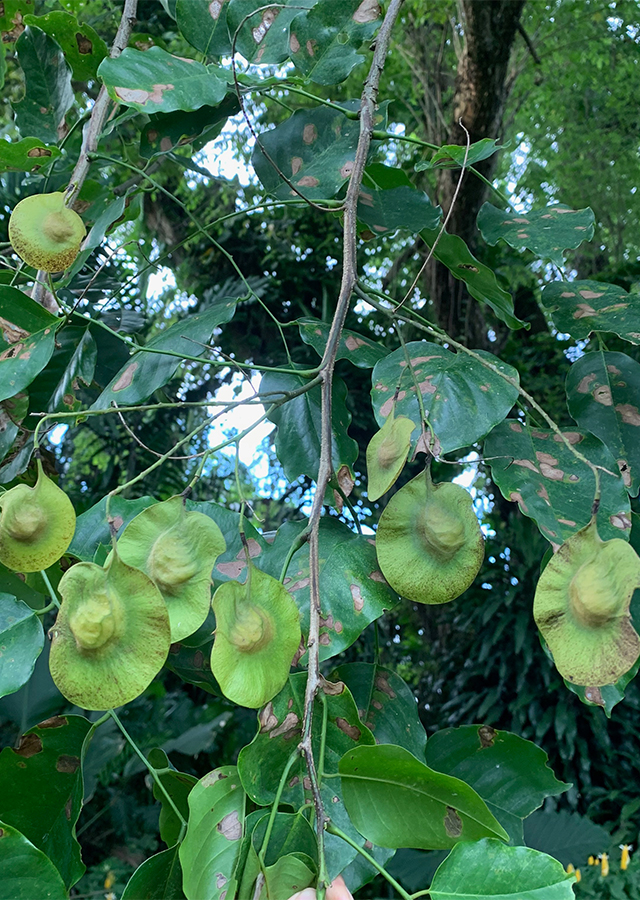
- Fruit a flat pod, ripening within 4-6 months, brownish (dry), 1.5–3 cm in diameter, 6–9 mm thick.
Cultivation
- Generative propagation (by seed).
- Vegetative propagation using stem or twig cuttings.
Chemical Content
Leaves: loliolide, paniculatadiol, polypeptide acid. Flowers: lupeol and phytol ester. Stem: formononetin, isoliquiritigenin, hydroxyhydratropic acid, and aryl benzofuran.
Benefits
Treats canker sores, diarrhea, boils, kidney stones, toothache; promotes menstruation; aids digestion; treats burns; anti-inflammatory, antiallergic, antitumor, antibacterial; treats diabetes.
Simplisia
- Prepare angsana leaves, wash thoroughly under running water to remove adhering debris.
- Dry the leaves until the moisture content reaches 10%.
- Grind using a blender.
- Store in a sterile, airtight container.
Local Names
Asan (Aceh), Sena, Sona, Hasona (Batak), Asana, Sana, Langsano, Lansano (Min.), Babaksana (Betawi), Sonokembang (Java), Nara (Bima, Seram) Nar na, Ai na (Tim.), Nala (Seram, Haruku), Lana (Buru), Ligua (Ternate, Tidore, Halm.), Linggua (Maluku).
Traditional Recipes
The following recipes reflect traditional knowledge passed down through generations, not a substitute for professional medical diagnosis or advice. Consult a healthcare provider before use.
1. Diarrhea and Canker Sores
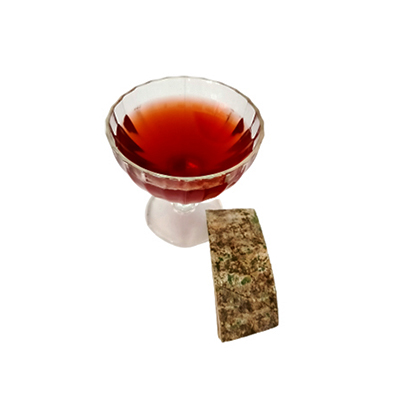
- Take 250 g (1 piece) of angsana bark and 2 cups of water.
- Boil the bark until reduced to 1 cup of water.
- Drink once a day, 1 cup each day, until recovered.
2. Boils
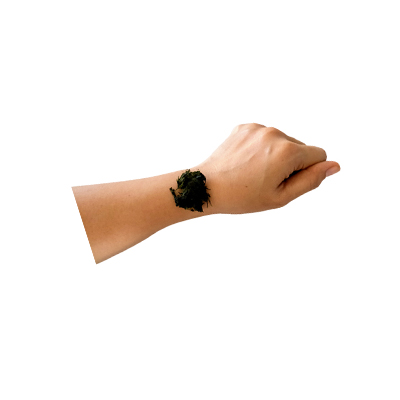
- Crush a sufficient amount of angsana leaves and apply to the part of the body affected by the boil.
- Wait until the mixture dries. Replace the mixture every 3 hours.
- Continue this treatment until the boil dries and gradually shrinks.