Punica granatum L.
Summary
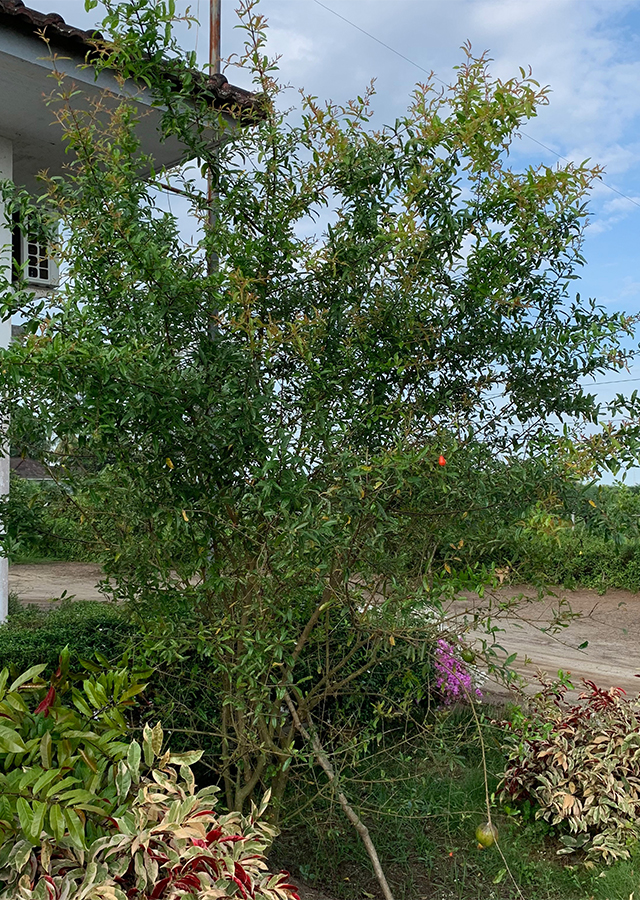
Delima (Punica granatum) is a deciduous shrub up to 2-5 meters tall of the Punicaceae family, native to Central Asia and Persia, initially studied as a wild fruit before being widely cultivated. Its antioxidant-rich fruit is popularly processed into health juice. Delima is traditionally believed to address worm infections, dysentery, and various types of bleeding.
Agroecology
This plant prefers fertile soil with good drainage, soil pH 6.5-7.5. Lives in lowlands less than 1,000 m above sea level. Average annual rainfall 900-1,200 mm/year. Prefers a dry climate with temperatures of 23-32°C.
Morphology
- Root a cylindrical taproot.
- Stem woody, round, thorny branches, brown when young and dull green when mature.
- Leaves single, lance-shaped, flat edges, pointed tip, blunt base, 2-8 cm long, 5-15 mm wide, pinnate venation, glossy surface.
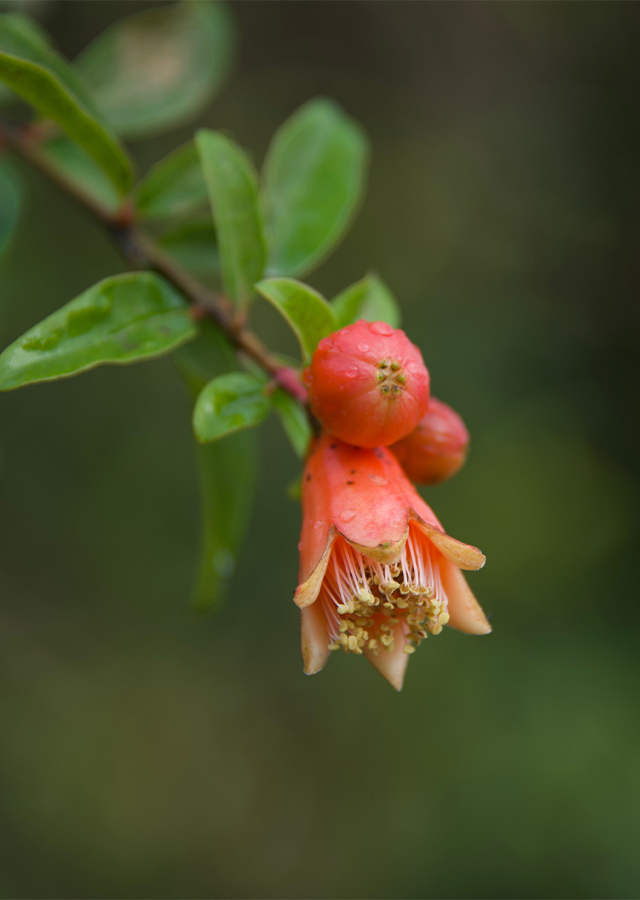
- Flowers single at branch tips, short stalk, fused sepals, red or pale yellow in color.
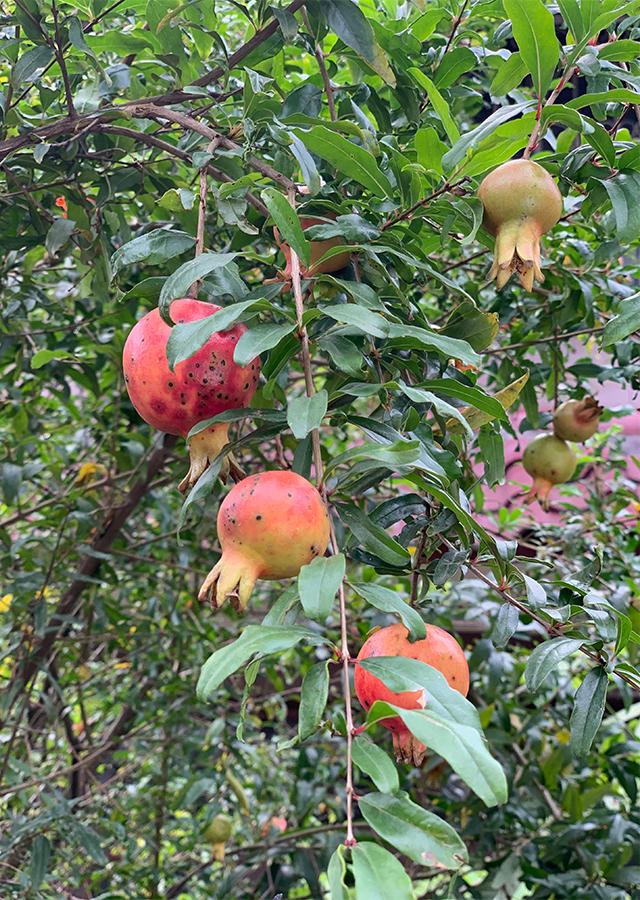
- Fruit 5-12 cm in diameter, young fruit green to reddish-green, color changes when mature depending on the variety.
- Seeds round, small, hard, and red in color.
Cultivation
- Propagated by seed and air layering method.
- Air layers can be separated after 3-4 months, once they have rooted well.
Chemical Content
Punicic acid, gallic acid, ellagic acid, punicanolic acid, punicalagin, ellagitannin, saponin, flavonoid, polyphenol, tannin, phytosterol, ursolic acid, β-sitosterol, daucosterol, quercetin, rutin, anthocyanin
Benefits
Remedy for worm infections, dysentery, chronic diarrhea, remedy for scabies, bleeding (bleeding hemorrhoids, vomiting blood and coughing blood), treats sore throat, ear, gum inflammation, treats stomach pain, bronchitis, poisoning, rheumatism, anti-inflammatory, antidiabetic, analgesic, and inhibits prostate cancer cell activity.
Simplisia
- Prepare 1.1 kg pomegranate fruit. Peel and take the fruit rind then clean. Cut the fruit rind into small pieces then weigh (yields 4.5 ounces).
- Dry using a cabinet dryer (temperature 60°C, for 8 hours).
- Grind the dried pomegranate rind using a mill, yielding 86 g of pomegranate rind simplisia.
Local Names
Known by local names, Glima (Aceh), Dalimo (Batak), Glimeu mekah (Gayo), Gangsalan (Java), Dalima (Sunda), Dhalima (Madura), Lekokase (Timor).
Traditional Recipes
The following recipes reflect traditional knowledge passed down through generations, not a substitute for professional medical diagnosis or advice. Consult a healthcare provider before use.
1. Pinworm infection
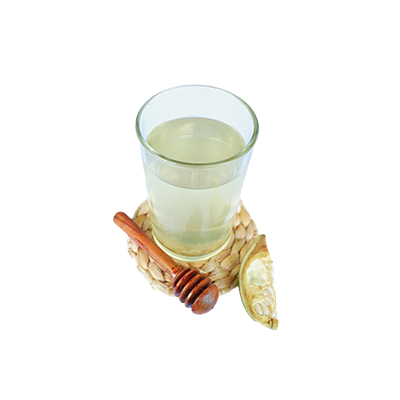
- Wash ½ pomegranate fruit (flesh) thoroughly then boil with 1½ glasses of water until boiling and reduced to 1 glass. Strain.
- Drink once a day with real honey before going to bed at night.
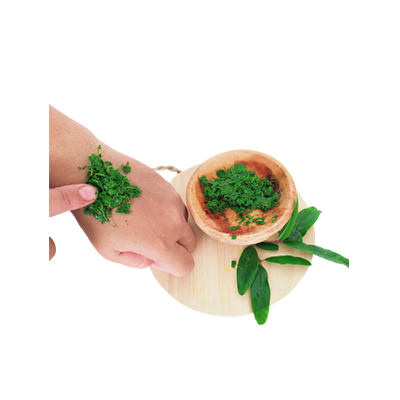
2. Remedy for scabies
- Prepare pomegranate leaves as needed.
- Wash thoroughly then pound.
- Apply to the scabies-affected area.
Reference Sources
- Yahya MA. 2005. Preliminary phytochemical and pharmacological studies on the rind pf Pomegrante (Punica granatum L.). Pakistan J. Biol. Sci. 8(3): 479-481
- Kumar M, Dandapat S, Sinha MP. 2015. Phytochemical screening and antibacterial activity of aqueous leaf extract of Punica granatum. Balneo Res. J 6(3):168-171.
- Haque N, Sofi G, Ali W, Rashid M, Itrat M. 2015. A comprehensive review of phytochemical and pharmacological profile of Anar (Punica granatum Linn): A heaven’s fruit. J. Ayu. Herb. Med. 1(1): 22-26.
- Setiawan D. 2003. Atlas Tumbuhan Obat Indonesia. Trubus Agriwidya, Jakarta.
- Sri F. 2019. Bioaktivitas dan Konstituen Kimia Tanaman Obat Indonesia. Deepublish, Yogyakarta.
- Syamsul H. 2015. Kitab Tumbuhan Obat. Agriflo, Jakarta.
- Gagas U. 2014. Sehat Alami dengan Herbal. Pusat Studi Biofarmaka LPPM IPB. Gramedia, Jakarta.