Rheum rhabarbarum L.
Summary
Rheum rhabarbarum or rhubarb is native to Siberia and has been used as a medicinal plant in Asia for more than 5,000 years, including in traditional Chinese, Arab, and ancient Greek medicine. Its stem and root parts—not its leaves, which contain high, potentially harmful oxalic acid—are commonly processed into jam, pie, and juice blends, and are known to be rich in antioxidants and vitamins A, C, and K beneficial for heart and bone health.
Agroecology
Rhubarb is an herbaceous plant that grows in anthropogenic habitats (man-made or disturbed habitats), grasslands, and fields. This species grows well in cold climates, in soil high in organic matter, consistently moist, well-drained, with a slightly acidic to neutral soil pH. Its growth prefers a position in full sun, meaning at least six hours of direct sunlight almost every day. However, plants in warmer growing zones usually benefit from afternoon shade, especially during the hottest months of the year. Too much shade can produce thin stems. Rhubarb prefers a climate where the average temperature is below 40°F in winter and below 75°F in summer. Rhubarb's growth prefers consistent moisture, but once mature it is somewhat drought-tolerant. In its first two years of growth, this species requires regular watering.
Morphology
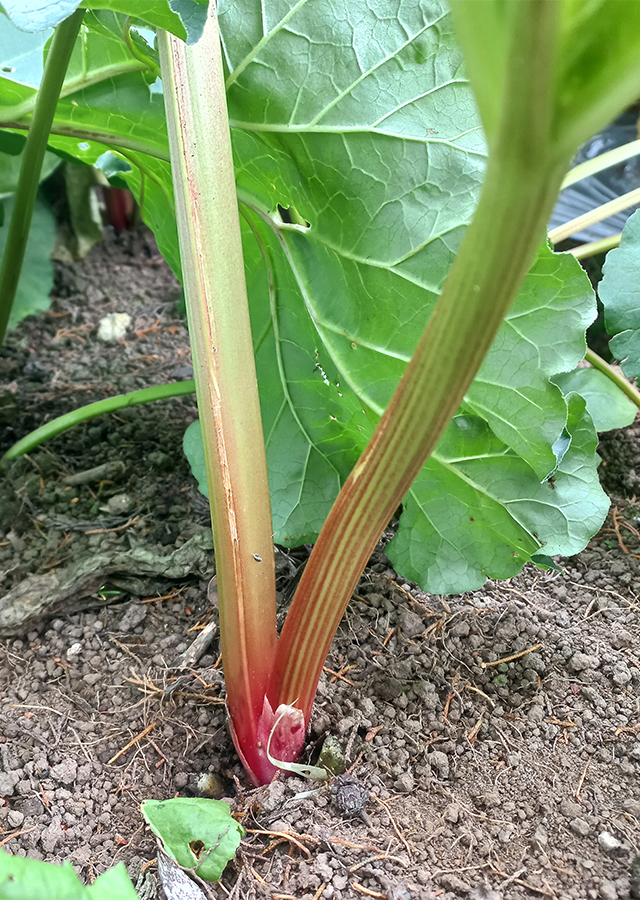
- Stem fleshy, juicy, sour tasting. Stem red, pink, or light green.
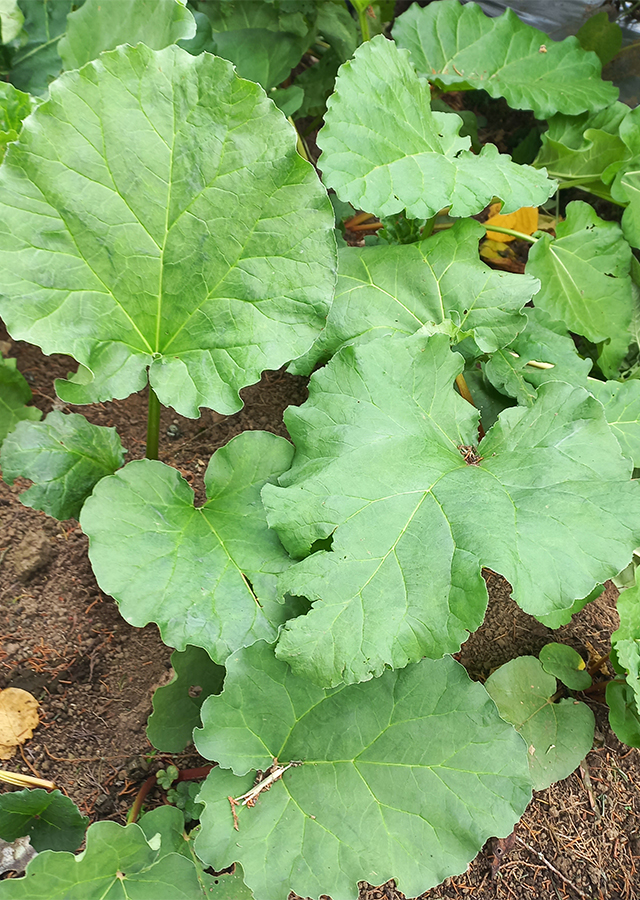
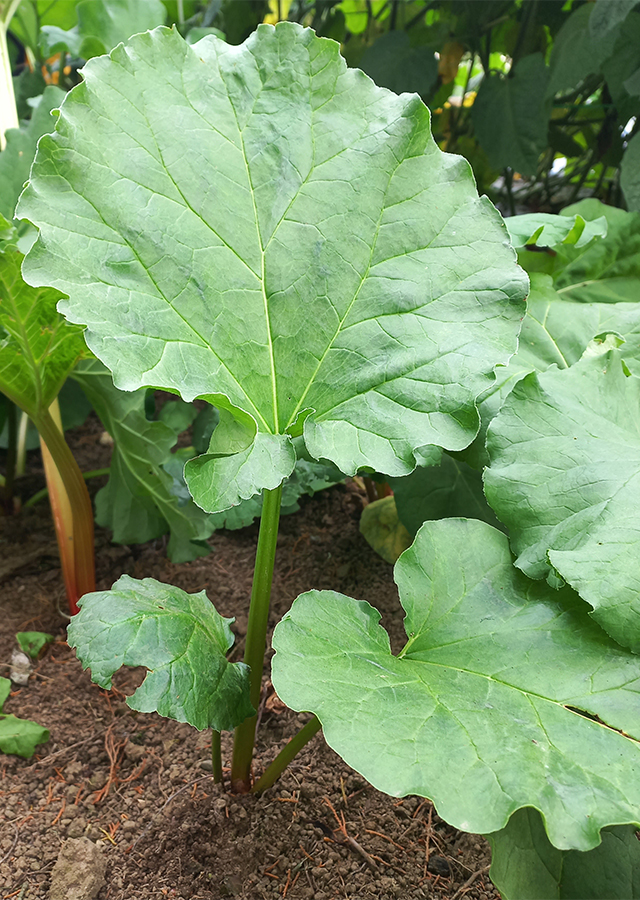
- Leaves alternate, heart-shaped or sagittate (arrow-shaped with pointed lobes facing backward), margin wavy (without teeth or lobes), dark green, 30 cm in diameter. Petiole long, thin, resembling celery, dark red to light green.
- Flowers hermaphroditic, petals greenish-brown, white to rose-red. Petals and sepals separate and not fused. Sepals resemble petals in color and texture. Stamens 9, anthers have a narrow slit or groove running the length of the anther, with two or more separate styles.
- Fruit an achene (dry but not splitting when ripe, usually one-seeded), with one or more wings on top.
Cultivation
Plant propagation through seed and division or splitting. However, propagation is best done by division rather than from seed. This is because propagation from seed takes a long time and seeds are sometimes hard to find.
Chemical Content
Lutein, lycopene, zeaxanthin, anthocyanins, proanthocyanidins, beta-carotene, polyphenol compounds, tannins, anthraquinones, hydroxyanthraquinones, aloe-emodin, emodin, rhein, stilbene, rhaponticin.
Benefits
Maintains heart health (helps lower cholesterol), treats constipation, prevents Alzheimer's, maintains bone health, helps with weight loss, prevents cancer, promotes blood circulation, maintains blood pressure, reduces inflammation, boosts the body's immunity, prevents and addresses canker sores, maintains eye health, maintains cardiovascular organ health especially the kidneys, helps prevent calcification of blood vessels. Has antioxidant, antibacterial, antimicrobial, and anti-inflammatory activity.
Local Names
Kelembak.
Traditional Recipes
The following recipes reflect traditional knowledge passed down through generations, not a substitute for professional medical diagnosis or advice. Consult a healthcare provider before use.
1. Boosts the body's immunity
- Wash the vegetables clean then cut into pieces, set aside.
- Grind seasonings such as shallots, garlic, red chili, candlenuts, and an adequate amount of shrimp paste (roasted), except the sliced tamarind.
- Prepare about 5 liters of water in a pot, then add the ground seasonings. Wait until it boils.
- Then add the vegetables and sliced tamarind, add sugar and salt.
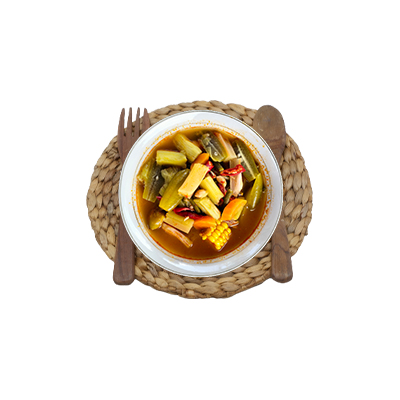
- Wait until cooked, the rhubarb sour vegetable soup (sayur asem) is ready to serve.
Reference Sources
- Royal Botanic Gardens, Kew. Plats of the World Online: Rheum rhabarbarum L.. https://powo.science.kew.org/taxon/urn:lsid:ipni.org:names:301818-2. 23-07-2022.
- Healthbenefitstimes. 2021. Top 11 benefits of Rhubarb (Garden rhubarb). https://www.healthbenefitstimes.com/rhubarb/. 23-08-2022.
- IDN Medis. 2022. Rhubarb: Manfaat – Efek Samping dan Tips Konsumsi. https://idnmedis.com/rhubarb. 23-07-2022.
- WebMD. 2022. Health Benefits of Rhubarb. https://www.webmd.com/diet/health-benefits-rhubarb. 23-07-2022.
- Native Plant Trust. Rheum rhabarbarum — garden rhubarb. https://gobotany.nativeplanttrust.org/species/rheum/rhabarbarum/. 23-07-2022.
- The Spruce. 2022. How to Grow and Care for Rhubarb. https://www.thespruce.com/growing-rhubarb-1403450. 23-07-2022.