Saccharum officinarum L.
Summary
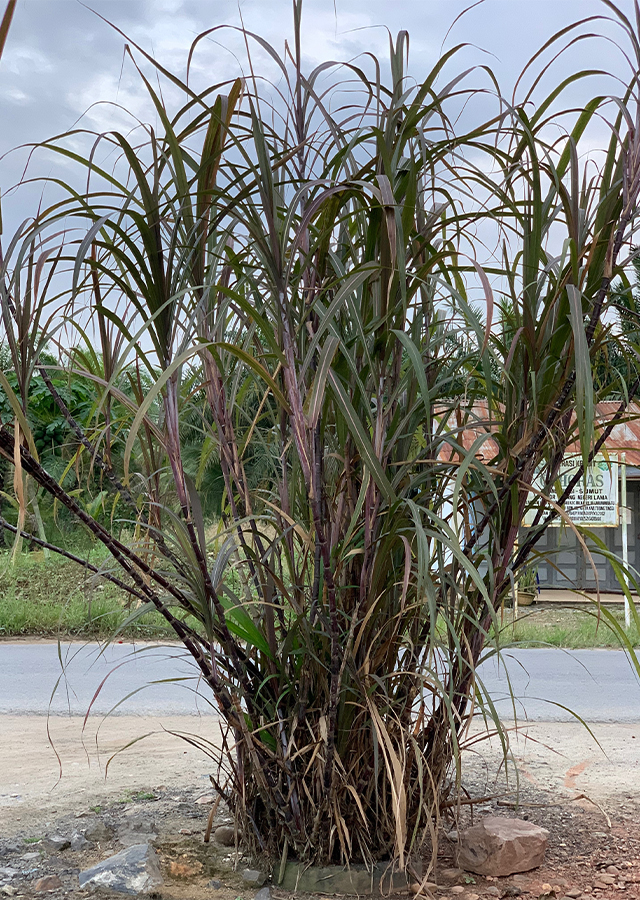
Black sugarcane (Saccharum officinarum) is a herb up to 2-4 meters tall of the Poaceae family, spreading from the Solomon Islands around 8,000 BC, reaching India and China as a sweetener by 475 BC. Its stem is a source of sugar as well as fiber for papermaking. Black sugarcane is traditionally believed to fight infections and relieve hypertension.
Agroecology
This plant grows in tropical and subtropical regions. Prefers soil conditions that are not too dry and not too wet. Sugarcane is sensitive to poor aeration.
Morphology
- Root fibrous, blackish-brown in color.
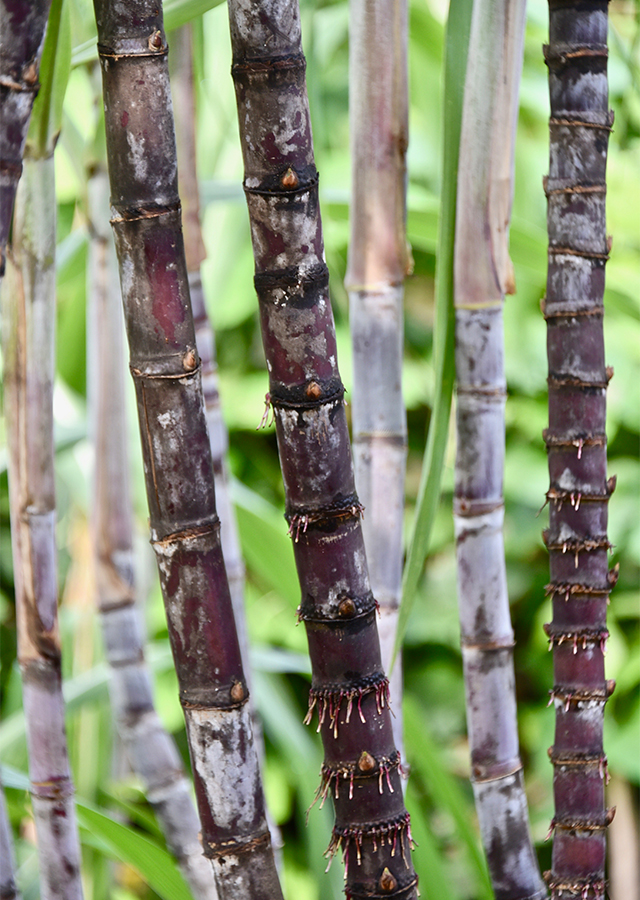
- Stem straight, jointed with nodes, dark purple or maroon and dark red in color. The color of this sugarcane's juice is brown and dark. The smallest diameter among other sugarcane types.
- Leaves elongated ribbon-shaped, parallel veins, alternating left and right, sheathed, has hair, purplish-green in color.
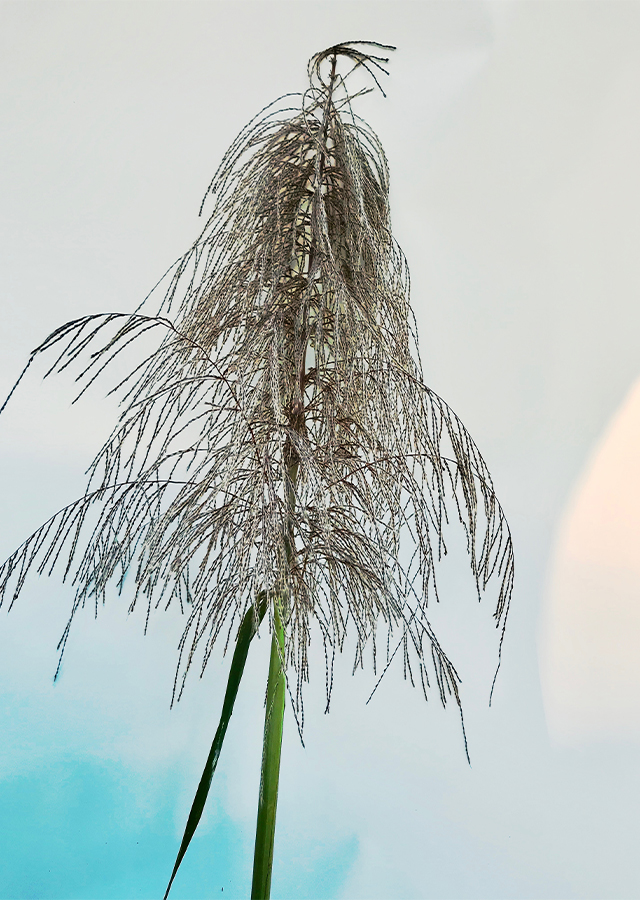
- Flowers a panicle 50-80 cm long. Flower branches in the first stage form a flower cluster and in the next stage form a raceme with two spikes 3-4 mm long.
- Fruit rice-like, has one seed, embryo large ⅓ the length of the seed.
Cultivation
Seedlings are taken from sugarcane stems with 2-3 buds that have not yet grown (called stem cutting seedlings/bagal). Another way is using sugarcane stem tips with two or more buds (called tip cutting seedlings/stopstek).
Chemical Content
Alkaloid, flavonoid (naringenin, tricin, apigenin, luteolin), ferulic acid, cumaric acid, quercitrin, caffeic acid, ellagic acid, polyphenol, tannin.
Benefits
Fights infection, treats hypertension, jaundice, bleeding, whooping cough, snake bites and poisoned arrows, relieves heart palpitations.
Local Names
Tiwu (West Java), Rosan, Tebu ireng, Tebu manggis (Central Java and East Java).
Traditional Recipes
The following recipes reflect traditional knowledge passed down through generations, not a substitute for professional medical diagnosis or advice. Consult a healthcare provider before use.
1. Relieving heart palpitations
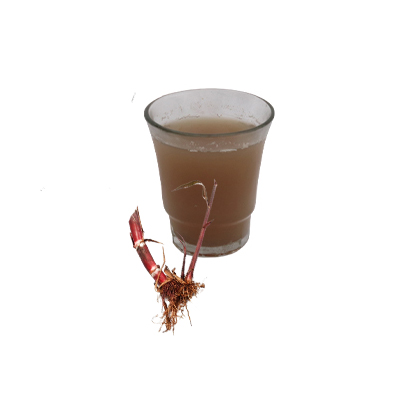
- Wash 3 handfuls of black sugarcane root thoroughly.
- Boil with 2 glasses of water until boiling until reduced to 1 glass.
- Drink twice a day.
2. Cough
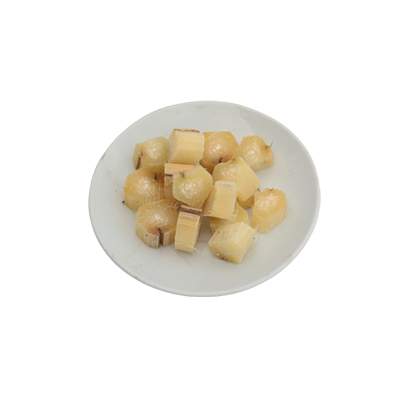
- Burn 100 g fresh black sugarcane stem for 10 minutes, cool.
- Peel and cut into small pieces then chew. Suck out the juice and discard the residue.
Reference Sources
- Abbas SR, Sabir SM, Ahmad SD, Boligon AA, Athayde ML. 2014. Phenolic profile, antioxidant potential and DNA damage protecting activity of sugarcane (Saccharum officinarum). Food Chemistry 147: 10–16.
- Bursatriannyo. 2016. Tanaman Tebu. Pusat Penelitian dan Pengembangan Perkebunan. http://perkebunan.litbang.pertanian.go.id/tanaman-tebu/16-12-2019
- Indrawanto, Chandra, Purwono, Siswanto, Syakir M, Rumini WMS. 2010. Budidaya dan Pasca Panen TEBU, ESKA MEDIA, Pusat Penelitian dan Pengembangan Perkebunan.
- Singh A, Lal UR, Mukhtar HM, Singh PS, Shah G, Dhawan RK. 2015, Phytochemical profile of sugarcane and its potential health aspects, Pharmacogn Rev. 2015 Jan-Jun. 9 (17): 45-54.
- Tanampedia.com. 2017. Sejarah Singkat Budidaya Tebu di Indonesia. https://tanampedia.com/149/sejarah-singkat-budidaya-tebu-di-indonesia/ 16-12-2019.
- Uchenna EF, Adaeze OA, Steve AC. 2015. Phytochemical and antimicrobial properties of the aqueous ethanolic extract of Saccharum officinarum (Sugarcane) bark. Journal of Agricultural Science 7(10): 291-297.
- Williams IO, Onyenweaku EO, Atangwho IJ. 2016. Nutritional and antimicrobial evaluationof Saccharum officinarum Consumed in Calabar, Nigeria. African Journal of Biotechnology 15(33): 1789-1795.