Sandoricum koetjape (Burm.f.) Merr.
Summary
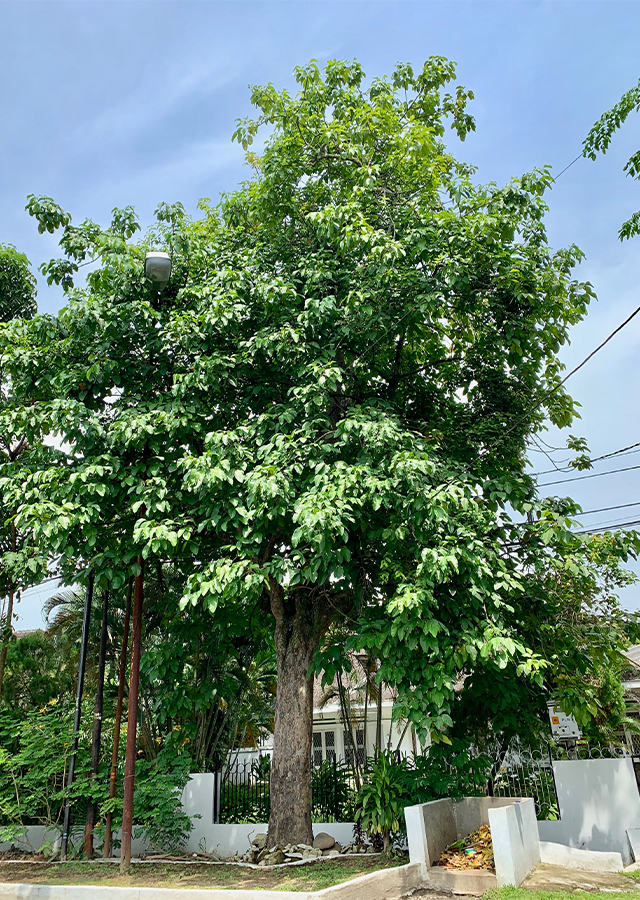
Kecapi (Sandoricum koetjape) is a tree up to 30 meters tall of the Meliaceae family, native to Indo-China and the Malay Peninsula, distributed as far as Kalimantan and the Philippines. Its sweet fruit is commonly eaten fresh, while its wood is used to make boats and furniture. Kecapi is traditionally believed to treat roundworms and strengthen women's bodies after childbirth.
Agroecology
Grows at elevations up to 1,000 m above sea level. This plant is drought tolerant and able to live through long dry seasons. Prefers loose loamy clay and sandy clay soil texture, rich in humus and full sunlight.
Morphology
- Root a taproot.
- Stem 90 cm in diameter, exudes latex.
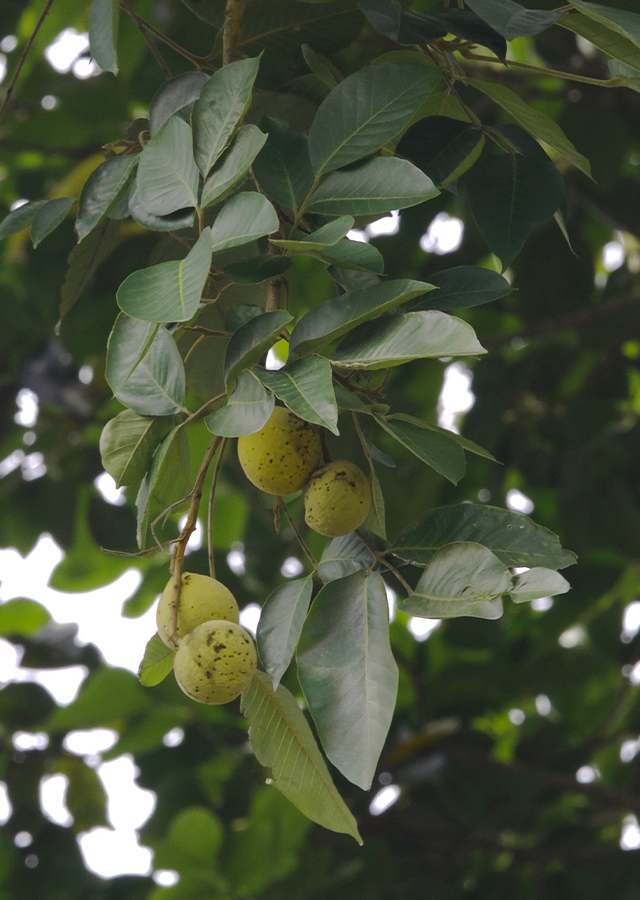
- Leaves compound, alternate, pinnate with three leaflets, oval to ovate shaped, tapering at the tip and base, green in color.
- Flowers hairy, hanging, bisexual, short-stalked, sepals with 5 lobes, 5 petals, faintly fragrant.
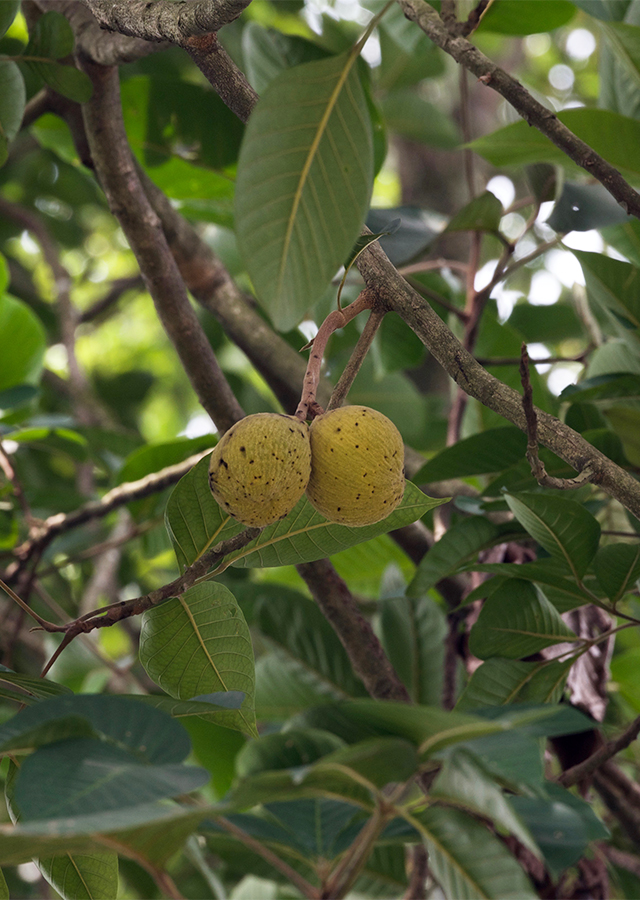
- Fruit round somewhat flattened, yellow or reddish when ripe, finely hairy. Outer flesh thick and hard, fused with the skin, reddish, somewhat sour. Inner flesh soft and juicy, attached to the seed, white, sour to sweet.
- Seeds 2-5 in number, large, ovate somewhat flattened, reddish-brown, glossy.
Cultivation
Propagated generatively (seed) and vegetatively (grafting, air layering).
Chemical Content
Flavonoids, saponins, polyphenol, steroids, glycoside, tannins, alkaloids, triterpenoids, bryononic acid, sandoricum acid, dysoxylum, heynea, carapa.
Benefits
Remedy for roundworms, vaginal discharge, stomach ache, diarrhea, bloating, cough, fever reducer, strengthens women's bodies after childbirth, boosts immunity, has cytotoxic activity (against leukemia cancer), antioxidant and antibacterial, anti-inflammatory.
Simplisia
- Prepare fresh leaves or fruit then dry-sort out attached impurities.
- Wash the simplisia material thoroughly with running water then cut into small pieces.
- Dry by air-drying. Once dry, grind with a blender to obtain a powder form.
- Store in a clean container.
Local Names
Sotul (Batak), Sentul, Ketuat (Java, Sunda). Bua apo, Kelampu bukit, Lalamun, Sinlol, Sintol, Terapu (Kalimantan).
Traditional Recipes
The following recipes reflect traditional knowledge passed down through generations, not a substitute for professional medical diagnosis or advice. Consult a healthcare provider before use.
1. Vaginal discharge
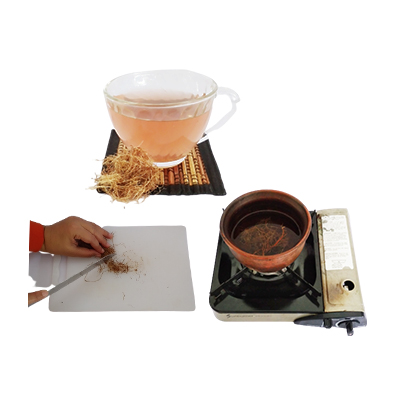
- Wash 8 g fresh kecapi root thoroughly then cut into pieces.
- Boil with 2 glasses of water for 25 minutes, once cool, strain.
- Drink twice a day, morning and evening.
Reference Sources
- Bayani F. 2016. Uji aktivitas antioksidan dari ekstrak buah sentul (Sandoricum koetjape Merr.). Prisma Sains: Jurnal Pengkajian Ilmu dan Pembelajaran Matematika dan IPA IKIP Mataram 4(2): 47-54.
- Elijah AO, Onwuchekwa EC, Ekeleme EG. 2016. Phytochemical constituents and antimicrobial activity of Sandoricum koetjape leaf and seed extracts on clinical isolates from patients. Unique Research Journal of Medicine and Medical Sciences 4(6): 69-76.
- Heliawati L, Syah YM, Bum MB. 2019. Bryononic Acid: Antibacterial Compound from Fruit Hulls of S. koetjape Merr Extract. Journal of Chemical and Pharmaceutical Sciences 12(1): 14-18.
- Prosea. 2016. Sandoricum koetjape. https://uses.plantnet-project.org/en/Sandoricum_koetjape_(PROSEA) 07-06-2019.
- Sinala S , Minati, Salasa AM. 2018. Penentuan total polifenol ekstrak etanol kulit kecapi (Sandoricum koetjape) dari lamasi kabupaten Luwu. Media Farmasi 15(2): 41-44.
- Rasadah MA, Khozirah S, Aznie AA, Nik MM. 2004. Anti-inflammatory agents from Sandoricum koetjape Merr. Phytomedicine 11: 261–263.