Scadoxus multiflorus (Martyn) Raf.
Summary
The December flower (Scadoxus multiflorus) is a herb up to 60 cm tall of the Amaryllidaceae family, native to Africa, ranging from Senegal to Somalia and the Arabian Peninsula. Its name comes from its uniquely shaped flowers resembling a red light bulb that bloom every December. Beyond its beauty, this plant is traditionally used to address malaria and as a burn antiseptic.
Agroecology
Favors loose, fertile, well-drained soil, adequate moisture, and full sun to partial shade. Grows at elevations of 0-1,200 m above sea level. The bulb goes dormant during the dry season, and the pseudostem grows during the rainy season.
Morphology
- Roots fibrous, cylindrical, white.
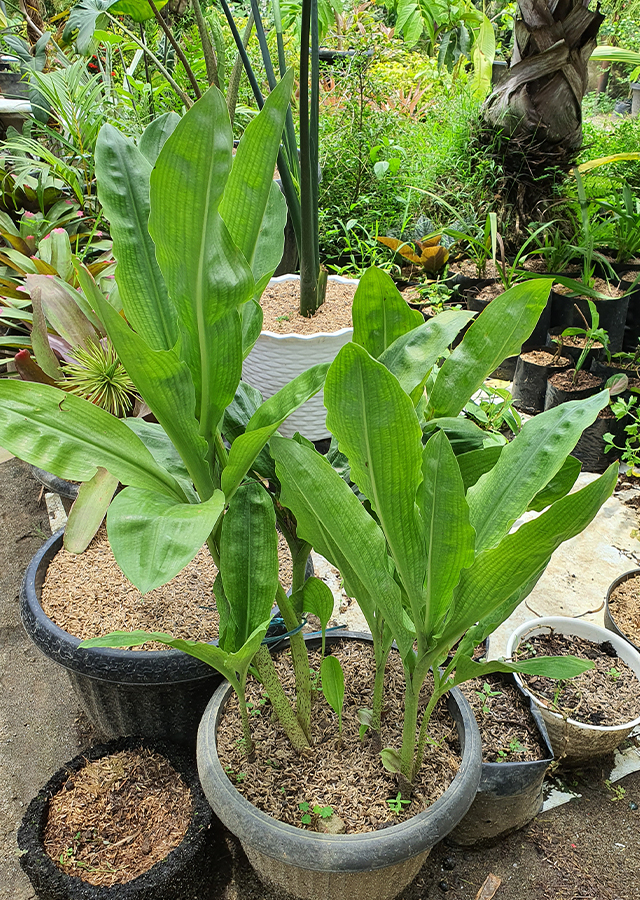
- Stem a round bulb, greenish-brown with spots. During the rainy season, a pseudostem grows, formed of leaf stalks wrapped around one another.
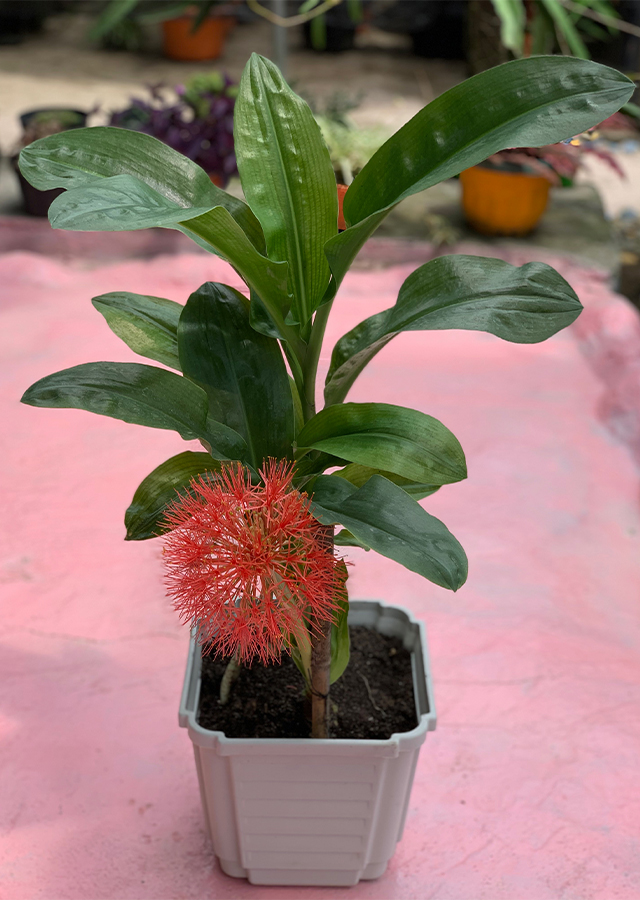
- Leaves thin and broad, glossy surface, with parallel, slightly curved veins, green.
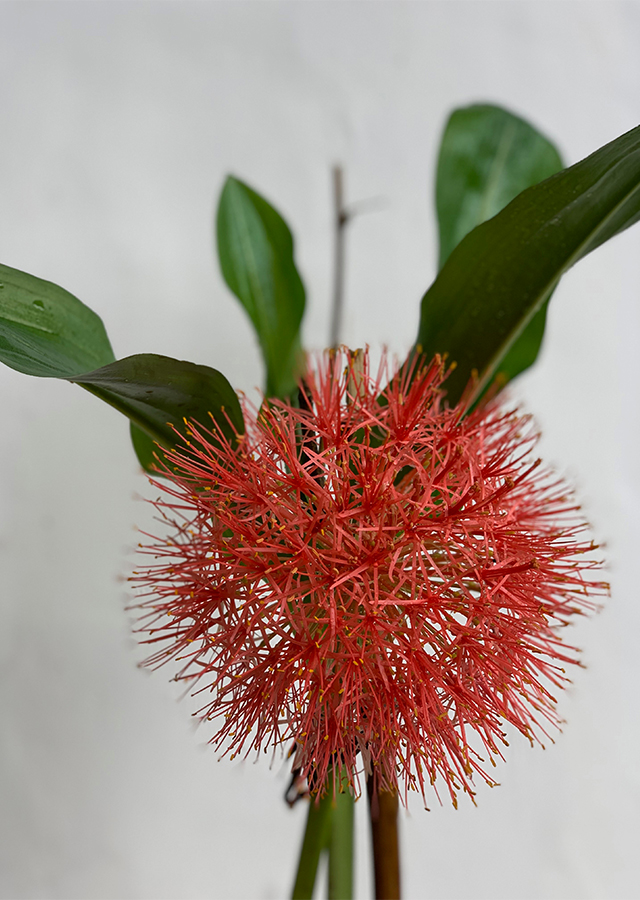
- Flowers compound, round-shaped, and red, 15-20 cm in size.
- Fruit only 1 or 2 form from the many flower clusters. Flat, round to oblong shape. Green when young and red when ripe. Each fruit contains 1 seed.
Cultivation
- Propagated by seed and bulbs.
- Bulbs can be planted directly in the yard or in a pot.
Chemical Content
Alkaloids, saponins, flavonoids, polyphenols.
Benefits
Treats malaria; kills germs; treats burns; addresses inflammation; antitumor, antiviral, antibacterial, anti-inflammatory.
Simplisia
- Collect the bulbs and remove any adhering debris.
- Wash thoroughly under running water.
- Sun-dry for several days until dry, then blend into a powder.
- Store in a clean container.
Traditional Recipes
The following recipes reflect traditional knowledge passed down through generations, not a substitute for professional medical diagnosis or advice. Consult a healthcare provider before use.
1. Burns
- Prepare a sufficient amount of fresh December flower bulb.
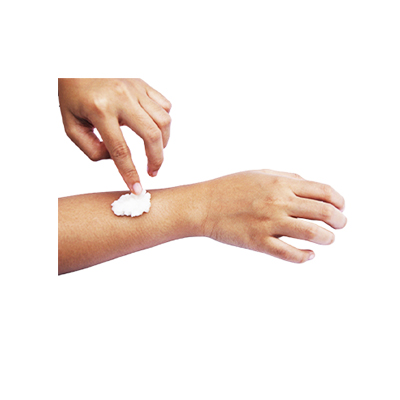
- Wash, then grate. Apply to the burned area.
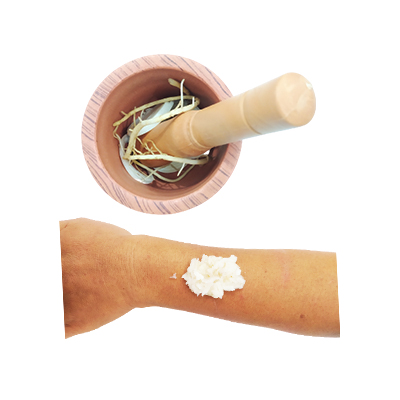
2. Treating Skin Affected by Leishmania Parasites
- Take a sufficient amount of bulb, then wash thoroughly.
- Pound into a paste.
- Apply to the area affected by the parasite.
Reference Sources
- Plantz Africa. (2001). Scadoxus multiflorus subsp. katharinae. http://pza.sanbi.org/scadoxus-multiflorus-subsp-katharinae#:~:text=The%20bulb%20is%20also%20used,Scadoxus%20multiflorus%20subsp. 12-01-2021.
- The Plants Garden. (2019). Haemanthus: Care Of Varieties Albiflos, Scadoxus Katherinae, Multiflorus. https://theplantsgarden.com/houseplants/bulbous_plants/haemanthus.html. 14-09-2020..
- The Encyclopedia of Bulbs. (2013). https://www.llifle.com/Encyclopedia/BULBS/Family/Amaryllidaceae/32417/Haemanthus_multiflorus. 12-01-2021
- World of Succulent.(2019). Scadoxus multiflorus (Blood lily). https://worldofsucculents.com/scadoxus-multiflorus-blood-lily/. 14-09-2020.
- Yokosuka, A.,Suzuki, N., Mimaki, Y. (2017).Chemical constituents of the bulbs of Haemanthus multiflorus. https://www.sciencedirect.com/science/article/abs/pii/S1874390017301027. 14-09-2020.