Scoparia dulcis L.
Summary
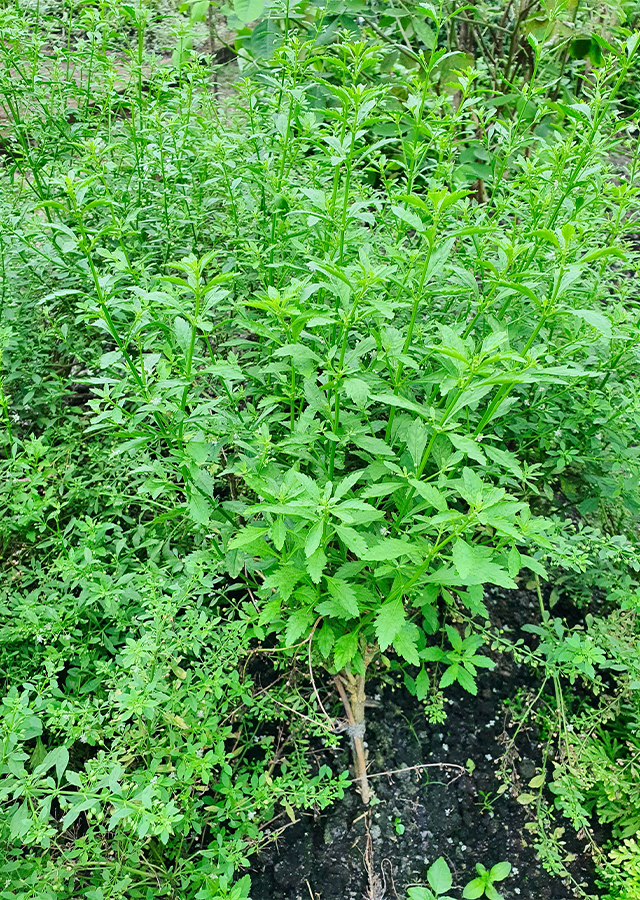
Sapu manis (Scoparia dulcis) is an upright herb 50-100 cm tall of the Plantaginaceae family, originating from tropical America, introduced to Java before 1860 and then spreading naturally throughout Indonesia. This plant commonly grows wild but has long been used as traditional medicine. Sapu manis is believed to help address diabetes, fever, and gum inflammation.
Agroecology
This plant is commonly found in moist shrubland, along riverbanks and on abandoned or cultivated land. Spread from lowlands up to elevations of 800 m above sea level and can grow in almost all soil types.
Morphology
- Stem round and smooth, green in color and the lower part of the stem slightly woody.
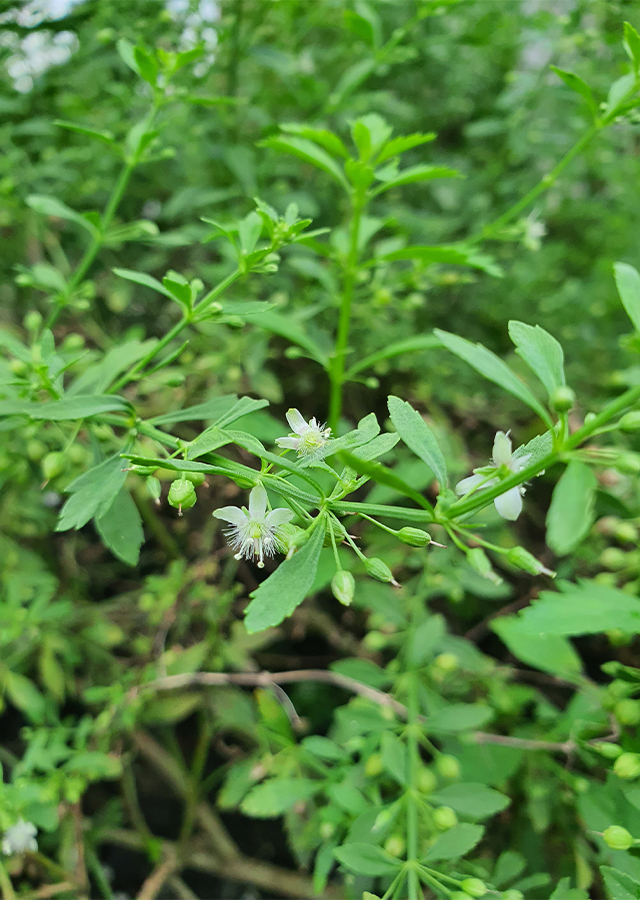
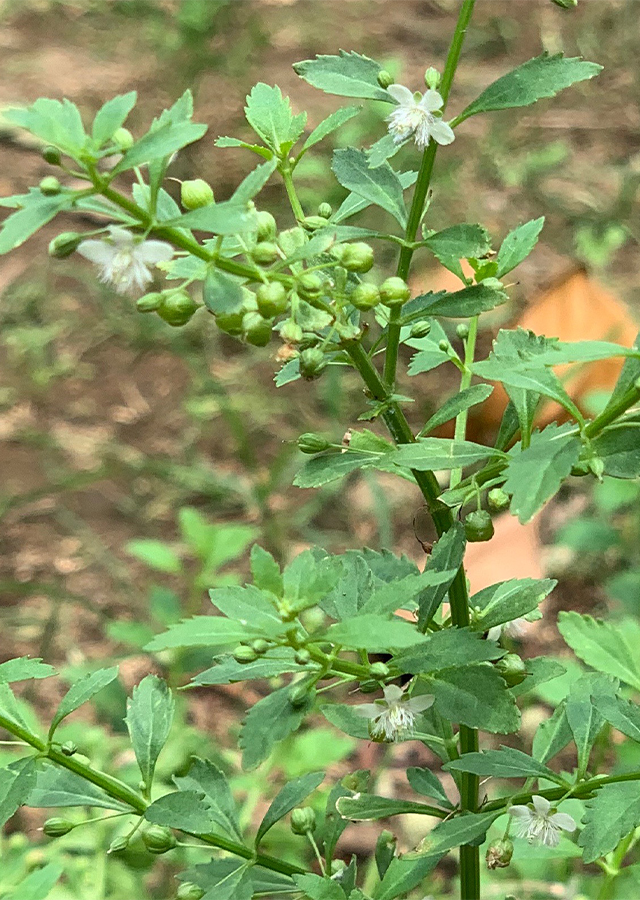
- Leaves green in color, alternating position, oval shape with a tapering base and tip, serrated edges, pinnate venation, and rough leaf surface.
- Flowers single, growing at leaf axils, very small size, white petals, green calyx, somewhat greenish stigma.
- Fruit round, green when young, turning brown when mature.
- Seeds light brown in color, very small in size.
Cultivation
Propagated generatively (by seed).
Chemical Content
Saponins, glycoside, alkaloids, flavonoids, phenol, terpenoids, tannins, active compounds scopadulin, scopadulcol, scopadulcic acid, scoparic acid, scoparinol.
Benefits
Treats diabetes, herpes, cough, fever, nausea, headache, gum inflammation, bruises, dysentery, diuretic, has anticancer activity.
Simplisia
- Prepare fresh sapu manis plant then clean with running water.
- Dry the plant in the sun and cover with a thin dark cloth.
- Once dry, store the dried material in a clean, airtight plastic/container.
Local Names
Grinje menir, Grinje jepun (Java), Jaka tuwa (Sunda).
Traditional Recipes
The following recipes reflect traditional knowledge passed down through generations, not a substitute for professional medical diagnosis or advice. Consult a healthcare provider before use.
1. Dysentery
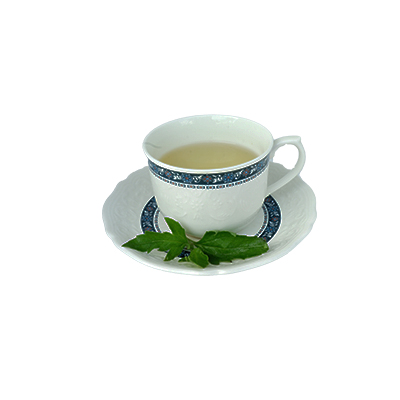
- Wash 60 g of the whole fresh sapu manis plant thoroughly. Boil with 200ml water until it boils and the water is reduced by half. Cool and strain then drink all at once.
- Do this twice a day, in the morning and evening.
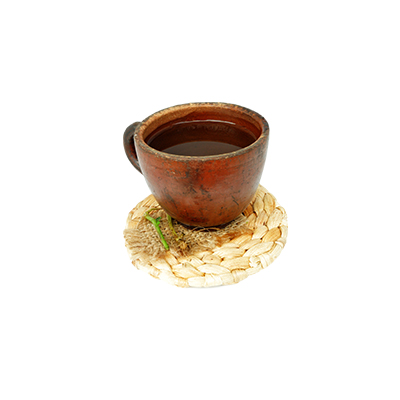
2. Diuretic
- Wash 10 g fresh sapu manis root then boil with 400 ml water until it boils for 15 minutes. Cool and strain.
- Drink the strained liquid all at once.