Selaginella plana (Desv.) Hieron.
Summary
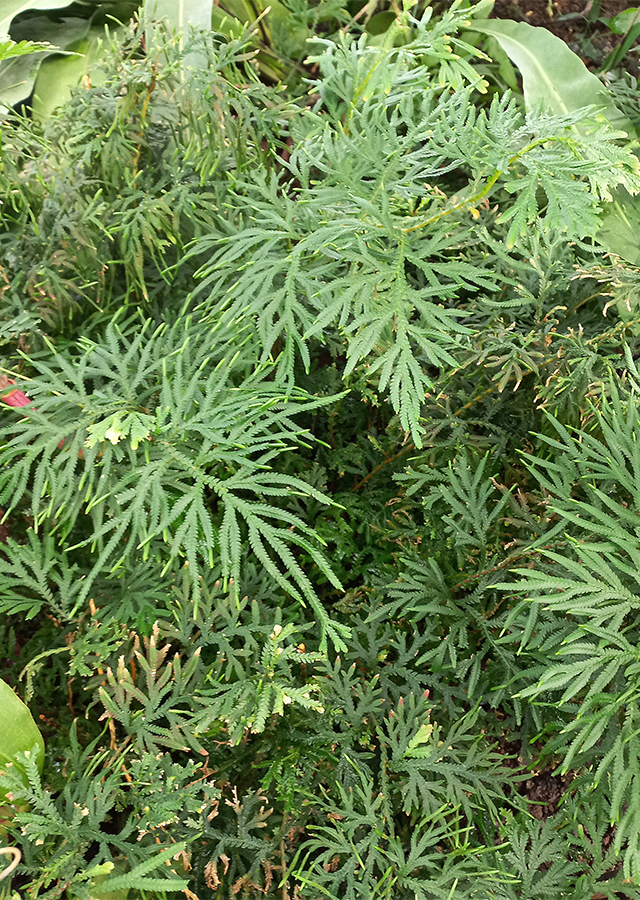
Paku rane (Selaginella plana) is a fern 0.2-0.6 meters tall from the Selaginellaceae family spread across tropical East Africa, India, and Indonesia. In some areas, this plant is pounded for sambal or eaten as a vegetable. The Wonosobo community traditionally uses it as a remedy for heart disease and stroke, while the Banjarmasin community uses it for malaria.
Agroecology
Paku rane is generally found living in shaded areas, attached to rocks or large trees, and can grow at elevations of 150-1,000 m asl. Its growth prefers semi-shaded or shaded conditions, but can tolerate full sun if given plenty of water, can live at air temperatures between 28-31 °C, with high humidity and consistently moist soil, fertile loamy soil texture. Able to live in waterlogged soil conditions and acidic soil (low pH).
Morphology
- Roots fibrous, light greenish-brown, thin, smooth, hard, spreading with a creeping underground rhizome.
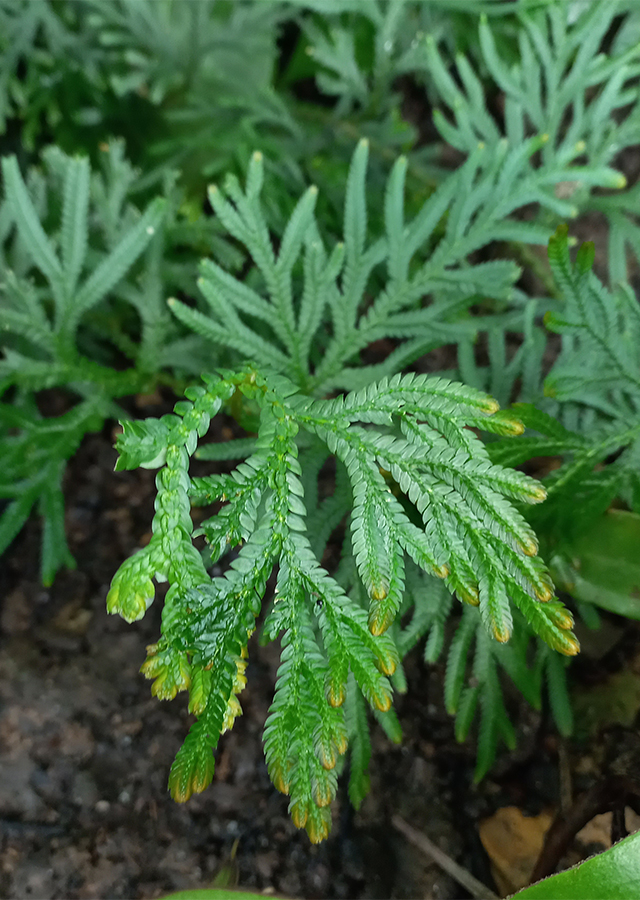
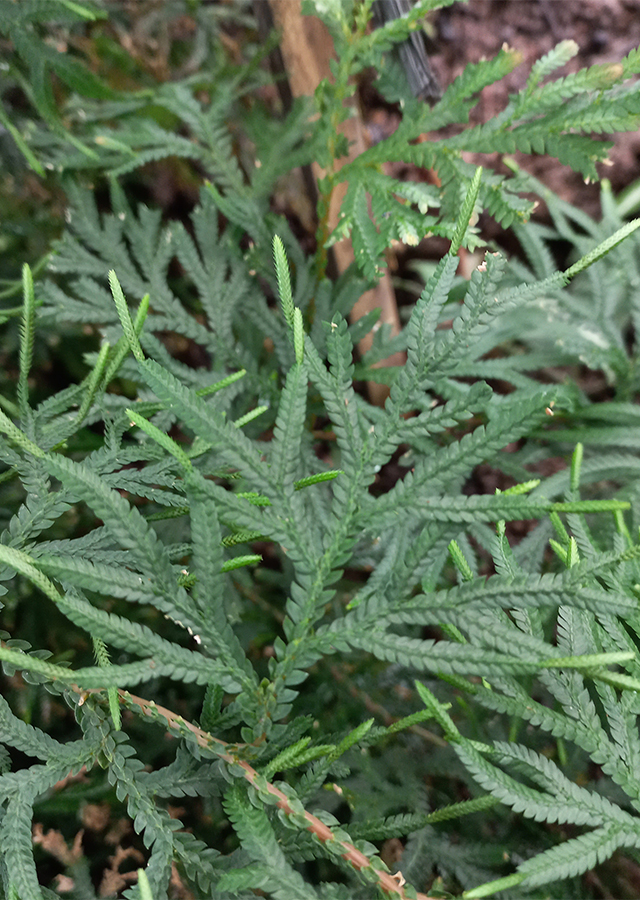
- Stem grows upright, round, small, scale-like in shape, and greenish-light brown. Stem branching is forked. Usually branches into two and each branch branches into two again.
- Leaves light green, scaly, tripinnate, small in size scattered evenly and encircling the stem, arranged in four rows (2 side leaves consisting of large leaves that easily fall off, and 2 front rows of small leaves that sit attached). Leaf margin finely serrated and leaf arrangement on the stem is crossed, leaf tip tapering. Fertile leaves are arranged in a spike-like cluster. This cluster or spike is called a strobilus. The strobilus is located at the tip of branching. Has a sporangium located at the tip of the sporophyll leaf (fertile leaf) with a somewhat round or inverted-ovate or trumpet-like shape, has a ligule on the underside of the leaf that functions as a water absorber.
Cultivation
Propagation by division, stem cuttings or spores.
Chemical Content
Flavonoids, terpenoids, steroids, and saponins.
Benefits
Treats heart disease and stroke, malaria, wound remedy, blood cleanser, addresses women's issues, stomach ache remedy, postpartum tonic, reduces fever, has anticancer, antimicrobial, and antibiofilm activity.
Local Names
Rumput solo, Cemara kipas gunung (Java), Menter (Jakarta), Tai lantuan (Madura), Usia (Ambon), Sikili batu, Lingonai (Minangkabau), Paku cakar ayam.
Traditional Recipes
The following recipes reflect traditional knowledge passed down through generations, not a substitute for professional medical diagnosis or advice. Consult a healthcare provider before use.
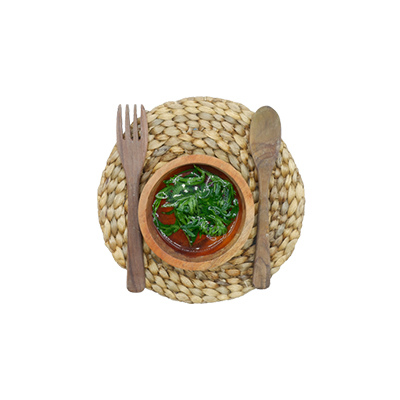
1. Flushing out bad fat
- Pick young paku rane leaves and wash until clean with running water.
- Boil until boiling.
- Eat the vegetable regularly.
- Can add seasoning to enhance flavor.
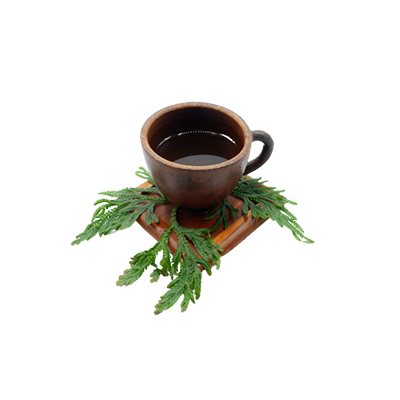
2. Postpartum care
- Take young paku rane leaves and wash until clean with running water.
- Boil until boiling.
- Let cool/warm.
- Strain, then drink for postpartum care.
Reference Sources
- Royal Botanic Gardens. Plants of the World Online : Selaginella plana (Desv.) Hieron.. http://www.plantsoftheworldonline.org/taxon/urn:lsid:ipni.org:names:77186707-1. 05-10-2021.
- Flora Fauna Web. 2021. Selaginella plana (Desv. ex Poir.) Hieron. https://www.nparks.gov.sg/florafaunaweb/flora/1/5/1577. 05-10-2021.
- BKT Kebun Raya Purwodadi LIPI. 2020. Selaginella plana. http://krpurwodadi.lipi.go.id/2021/02/11/selaginella-plana-2/. 05-10-2021.
- Humaira F, Zufahmi, Zuraid. 2018. KEANEKARAGAMAN JENIS PTERIDOPHYTA DI DESA DAYAH BARO KECAMATAN DELIMA KABUPATEN PIDIE. Prosiding Seminar Nasional SIMBIOSIS III.
- Dunia Flora. 2013. Selaginella plana. http://aliadlan.blogspot.com/2013/03/selaginella-plana.html. 05-10-2021.
- Sertyawan A.D., 2008. Traditionaly utilization of Selaginella; field research and literature review. Nusantara Bioscience 1(3): 146-154.