Senna occidentalis (L.) Link.
Summary
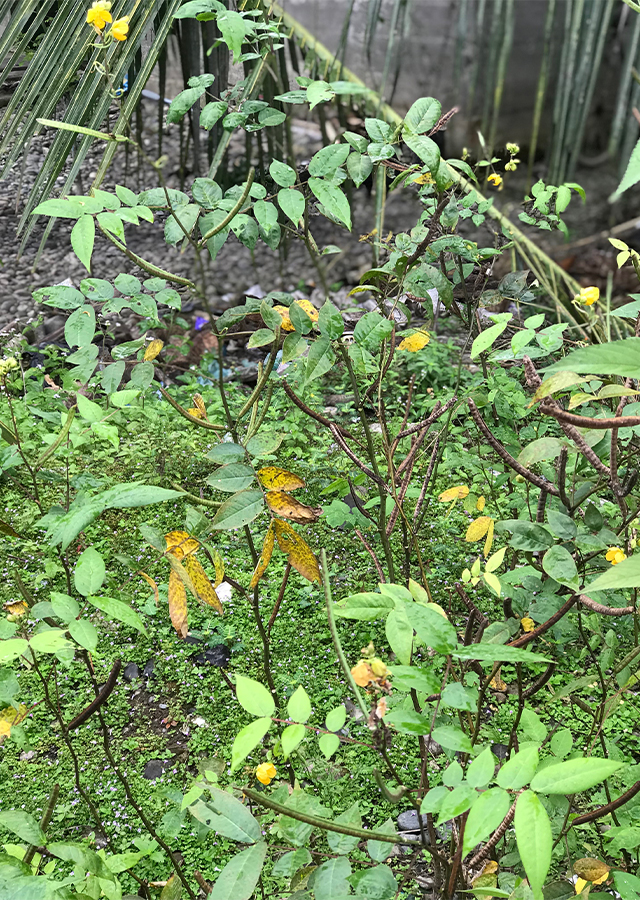
Kasingsat (Senna occidentalis) is an upright shrub up to 2 meters tall of the Fabaceae family, a plant native to tropical America now considered an invasive weed in many tropical and subtropical countries. Its roasted seeds are commonly used as a traditional coffee substitute. Traditionally, kasingsat is also believed to help address hypertension, diabetes, and snake bites.
Agroecology
This plant is commonly found in forests, near rivers, and grasslands at elevations of 1,000-2,200 m above sea level, can grow in places with temperatures between 10-42 °C, rainfall between 60-70 cm/year or between 25-40 cm/year. Prefers direct sunlight.
Morphology
- Stem angular, green, with fine hairs.
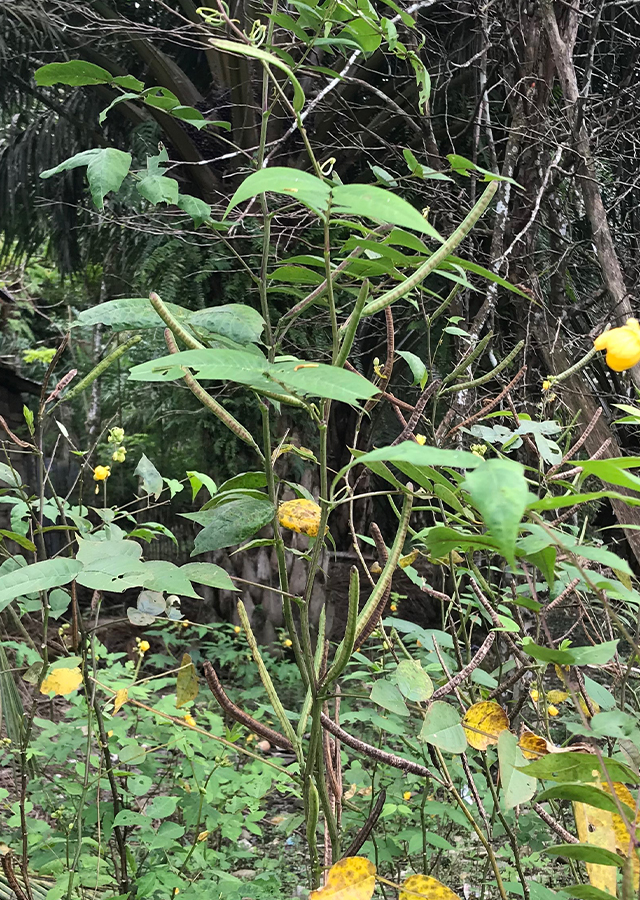
- Leaves compound, dark green in color, has 4-6 pairs of leaflets, egg-shaped, tapering leaf tip, rounded leaf base with a length of 2-6 cm and width 1-2 cm, pinnate venation.
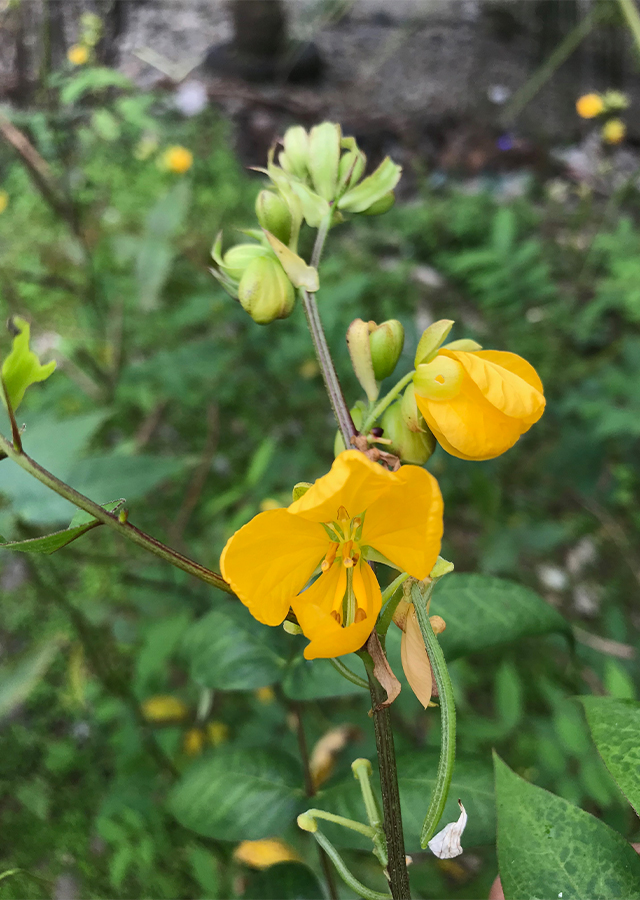
- Flowers compound yellow in color, has 5 petals, 2 anterior petals smaller than the others, calyx with red veins, emerging from leaf axils or twig tips.
- Fruit a flat pod, smooth, brown in color.
- Seeds oblong, flat, 3-4 mm wide, hard.
Cultivation
Propagation can be done using seeds that have been soaked in warm water for 3-6 hours. If the seed size is very small/soft, it can be sown directly onto the growing medium. Seeds can be planted at a depth of 1-1.5 cm.
Chemical Content
Anthraquinone, flavonoids, alkaloids, saponins, terpenoids, tannins, steroids, phenols, glycosides.
Benefits
Treats hypertension, diabetes, fever, rheumatism, ringworm, eczema, recurring headaches, treats snake bites, has antioxidant, antibacterial, antibiotic, analgesic, antipyretic, anti-inflammatory, hepatoprotective, antimalarial, antidiabetic, anticancer, and antidepressant activity.
Simplisia
- Select fresh kasingsat leaves. Clean off attached dirt. Wash then drain.
- Slice the leaves and place on a tray then dry for 2 days and cover with a thin dark cloth, or until dry.
- Store in a clean, tightly sealed or airtight plastic.
Local Names
Kopi andelan (Sumatra), Menting (Java), Senting (Java).
Traditional Recipes
The following recipes reflect traditional knowledge passed down through generations, not a substitute for professional medical diagnosis or advice. Consult a healthcare provider before use.
1. Recurring Headaches
- Prepare 30 g kasingsat leaves, 4 glasses of water.
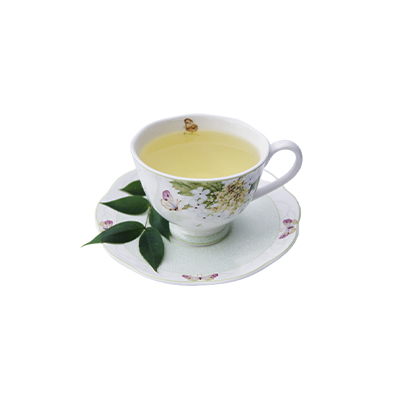
- Boil the kasingsat leaves until it boils and 2 glasses of water remain. Once cool, strain.
- Drink the decoction twice a day, 1 glass each time.
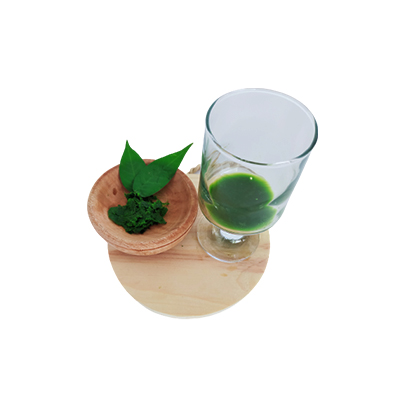
2. Treating Snake Bite Wounds
- Take 1 handful of fresh leaves, mash then squeeze.
- Drink the liquid and apply the residue to the bite wound.