Sesbania grandiflora (L.) Poir.
Summary
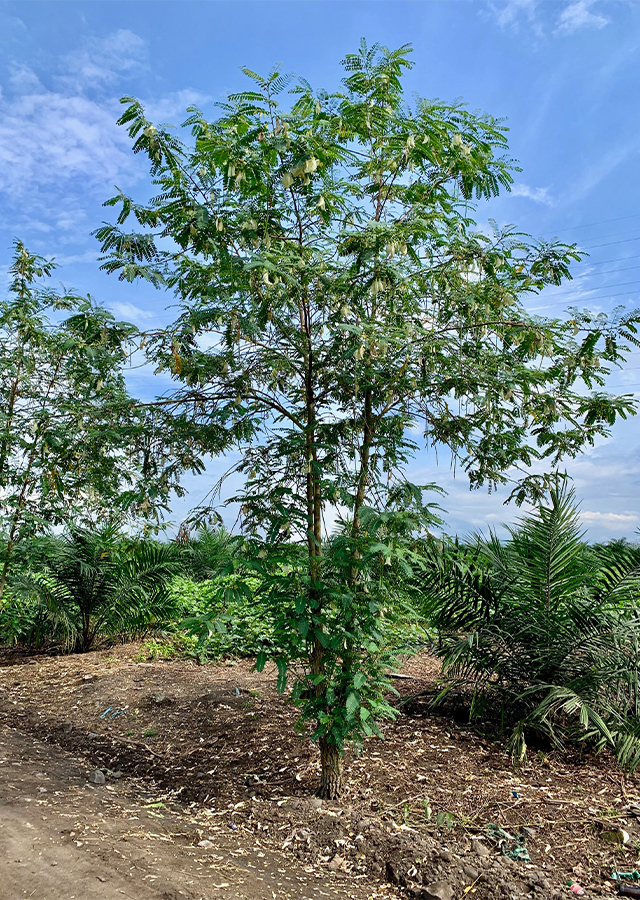
Turi (Sesbania grandiflora) is a tree 5-12 meters tall of the Fabaceae family, thought to originate from South and Southeast Asia, distributed to Indonesia, Malaysia, and India. Its white or red flowers are commonly eaten as a pecel vegetable or soup mixture, while its seeds are an alternative raw material for making soy sauce. Various parts of turi are traditionally used differently: the flower as a skin softener, the bark for chickenpox, and the leaves as a diuretic.
Agroecology
Turi grows in yards, gardens, and rice fields with fertile, acidic, watery soil and can live at elevations of 0-1,000 m above sea level, fruiting poorly if grown above that elevation.
Morphology
- Roots are a taproot type with nodules.
- Stem has hanging twigs.
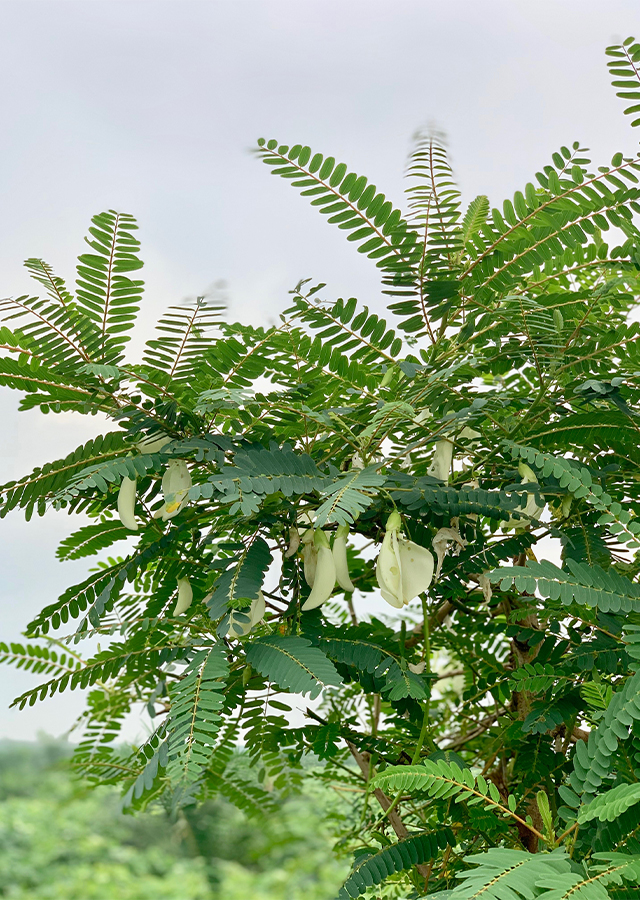
- Leaves compound, spread out in position, with stipules 0.5-1 cm long.
- Flowers large in clusters emerging from leaf axils, hanging with 2-5 stalked flowers, crescent-shaped buds, 5-10 cm long, some pink and white. When bloomed, the flowers are butterfly-shaped.
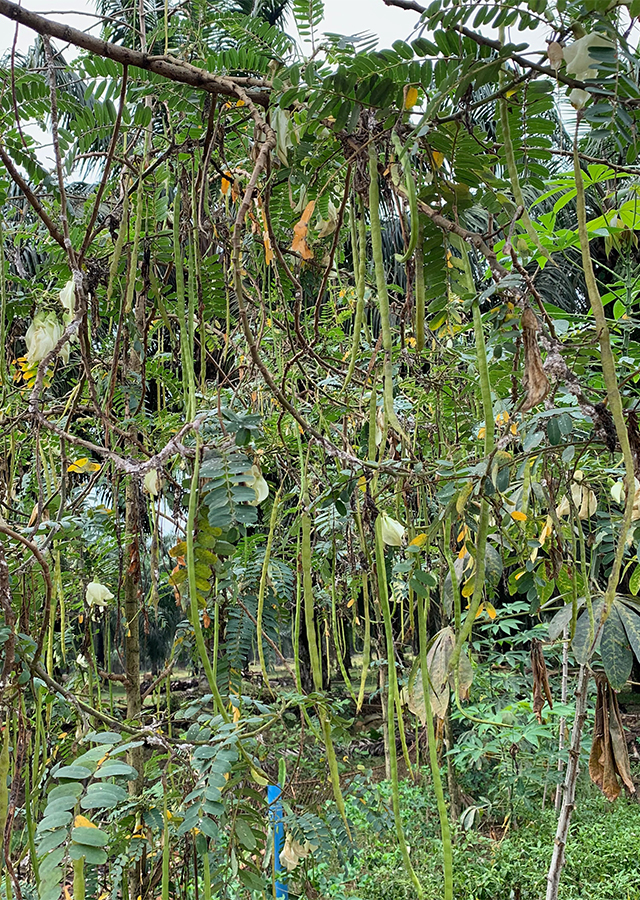
- Fruit a hanging pod shape, 30-50 cm x 1-1.5 cm in size. Young fruit green, mature fruit yellow.
Cultivation
Cultivation can be done by planting the seed or using stem cuttings.
Chemical Content
Isoflavonoids (medicarpin, sativan, betulinic acid, isovestitol), tannins, coumarins, steroids, triterpenes, leucocyanidin, cyanidin, oleanolic acid, kaempferol-3-rutinoside, saponins, sesbanimide.
Benefits
- Flower: skin softener, laxative.
- Bark: chickenpox, pain relief (analgesic), fever reducer, canker sore remedy, astringent, emetic, treats bruises from impact.
- Leaves: dissolves blood clots, diuretic.
Simplisia
Not available
Local Names
Toroi (Madura), Tuwi, Suri (Mongondow), Uliango (Gorontalo), Kayu jawa (Baree, Makassar), Ajutaluma (Bugis), Palawu (Bima), Tanunu (Sumba), Gala-gala (Timor).
Traditional Recipes
The following recipes reflect traditional knowledge passed down through generations, not a substitute for professional medical diagnosis or advice. Consult a healthcare provider before use.
1. Chickenpox
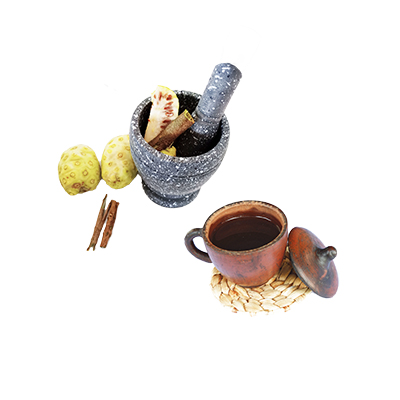
- Take 1 finger-width of turi bark and 2 noni fruits.
- Wash the ingredients thoroughly then coarsely pound.
- Boil with 400 ml water until it boils and the water is reduced to 200 ml then strain.
- Drink twice a day.
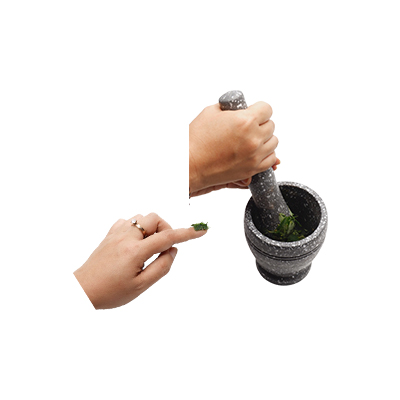
2. Treating Swollen Nails from Impact/Stubbing
- An adequate amount of fresh turi leaves.
- Wash thoroughly then finely pound the leaves.
- Place on the affected nail and surrounding skin then wrap. Repeat 2-3 times a day.
Reference Sources
- sumber Plastik. 2020. Metode Menanam Kembang Turi di Lahan.https://sumberplastik.co.id/blog/metode-menanam-kembang-turi-di-lahan/ 03-02-2020
- Nasution, Nusantara S . (2010). KeunggulanTuriSebagaiPakanTernak.Palembang. BPTU Sembawa.
- Ratnah, Rahim, Ayu, Hasyim, Hasrina. (2018). AktivitasAntimikrobaEkstrakDaunTuriPutih (SesbaniagrandifloraL.) TerhadapPertumbuhanCandida albicansDan Staphylococcus aureus.Jurnal Media Farmasi. XIV(1): 105-109.
- Hembing.2008. Ramuan Lengkap Herbal Taklukkan Penyakit; cacar air. Pustaka Bunda
- Widyaningrum H, Tim Solusi Alternatif. 2019. Kitab tanaman obat nusantara. Cet. ke-2; Mengobati bengkak akibat terpukul/ tersandung (kuku). Yogyakarta: Media Pressindo.