Sesbania sesban (L.).Merr.
Summary
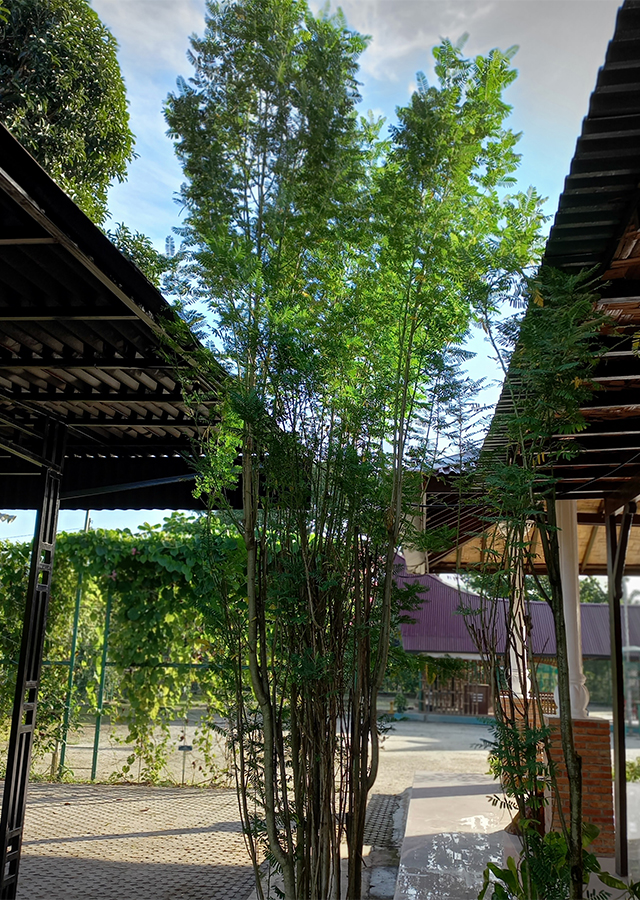
Jayanti (Sesbania sesban) is a shrub 1-7 meters tall of the Fabaceae family, native to northeast Africa and South Asia, now widely cultivated as a vegetable, livestock feed, and green manure despite being considered invasive in several countries. Jayanti is traditionally believed to treat scorpion stings, boils, and sore throat.
Agroecology
A subtropical plant, also succeeding at higher elevations in tropical regions, found at elevations of 100-2,300 meters. Grows best in areas where annual daytime temperatures are in the range of 18-28°C, prefers average annual rainfall in the range of 800-2,000 mm in sunny conditions. Tolerates saline, acidic and alkaline soil (pH in the range of 5-7, tolerating 4-9.9), has an outstanding ability to withstand waterlogging and is very suitable for seasonally flooded environments.
Morphology
- Root a taproot with many fine fibrous roots.
- Stem upright, branched, puberulent, hairless, segment length 0.5-2.5 cm, segment nodes swollen.
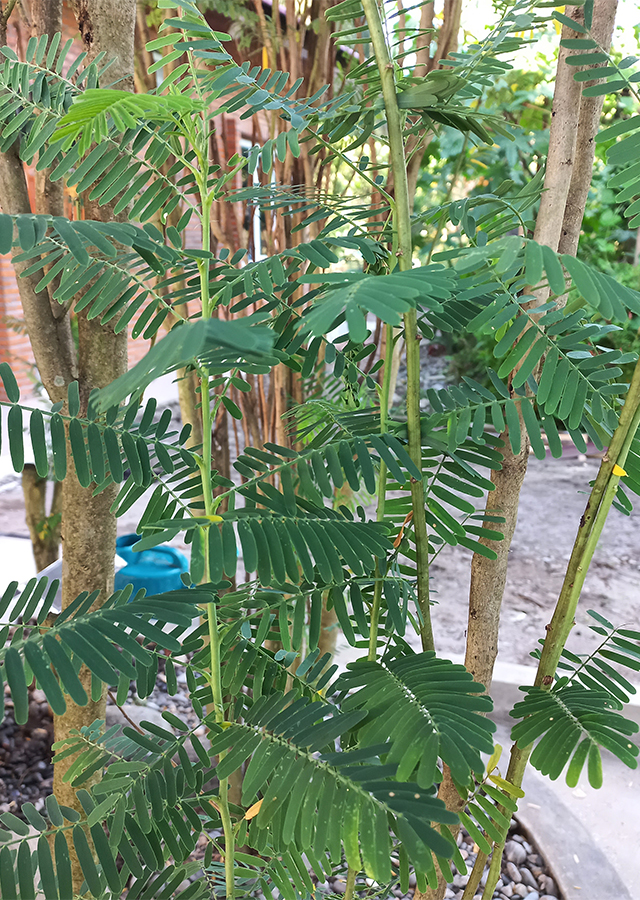
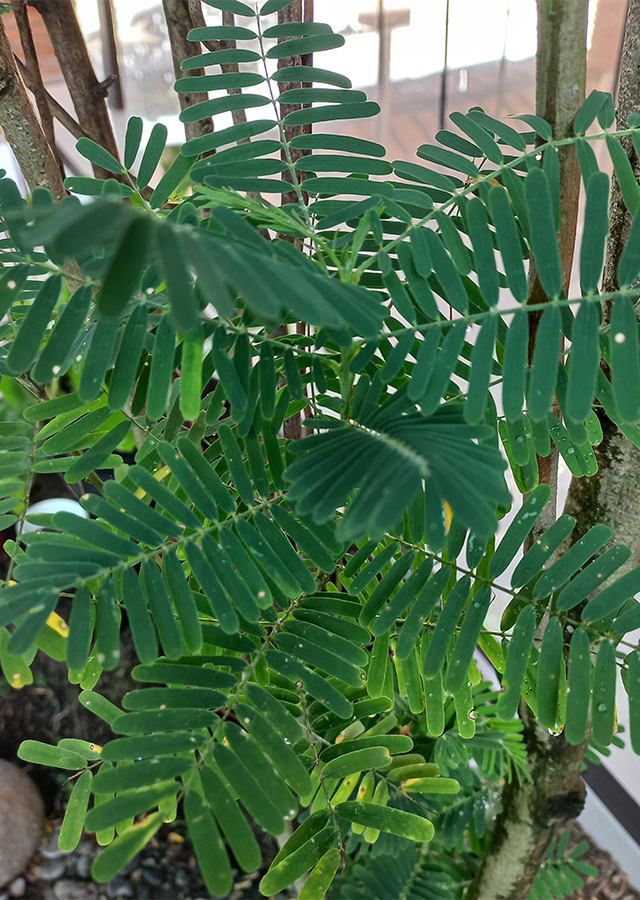
- Leaves pinnate compound leaves with 7-25 pairs of leaflets on each stalk branch. Leaflets elongated line-shaped and have a round tip and flat edges.
- Flowers the jayanti plant's flowers are yellow and are compound raceme-shaped.
- Fruit a pod that grows hanging.
- Seeds 20-40 per pod, subterete (not perfectly round), 3-4 × 2 mm, slightly compressed, hilum rounded and concave.
Cultivation
Propagation with seed which requires initial treatment to soften the hard seed coat and allow water entry. This can be done by soaking the seed in a little near-boiling water (which cools quickly and does not cook the seed) and then soaking the seed for 12-24 hours in warm water.
Chemical Content
Saponin, tannin, polyphenol, phenol, flavonoid, anthocyanin, campesterol, ß-sitosterol, cyanidin, delphinidin glucoside, alpha-ketoglutaric acid, oxaloacetate and pyruvate, oleanolic acid, stigmastane-5,24(28)-diene-3β-O-β-D-galactopyranoside, galactomannan, alkaloid, phytosterol,
Benefits
Treats scorpion stings, boils and abscesses, treats sore throat, gonorrhea, syphilis, convulsions in children and jaundice during pregnancy, cardiac depressant and hypoglycemic, has antibiotic, anthelmintic, antibacterial, antitumor and contraceptive properties, shows spermicidal and hemolytic activity.
Local Names
Janti, Giyanti, or Kelor warna (Java).
Traditional Recipes
The following recipes reflect traditional knowledge passed down through generations, not a substitute for professional medical diagnosis or advice. Consult a healthcare provider before use.
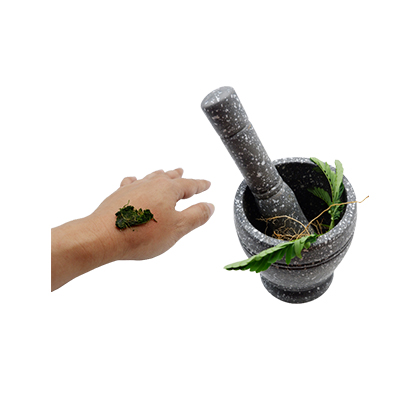
1. Scorpion stings
- Wash fresh jayanti root and leaves as needed thoroughly.
- Grind the material finely into a paste.
- Apply the mixture to the skin stung by a scorpion.
- Do this until recovered.
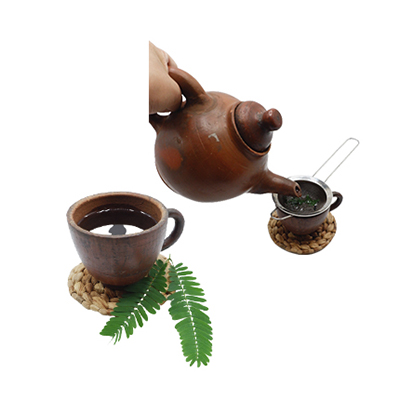
2. Sore throat
- Take jayanti leaves as needed.
- Wash the material with running water until clean.
- Boil until boiling.
- Strain the decoction.
- Drink while warm.
Reference Sources
- Useful Tropical Plants Database. 2021. Sesbania sesban. http://tropical.theferns.info/viewtropical.php?id=Sesbania+sesban. 03-09-2021.
- CAB International. 2021. Sesbania sesban (sesban). https://www.cabi.org/isc/datasheet/49466. 03-09-2021.
- Stuartxchange. 2015. Phillippine Medicinal Plants: Sesban. http://www.stuartxchange.org/Sesban.html. 03-09-2021.