Solanum donianum Walp.
Summary
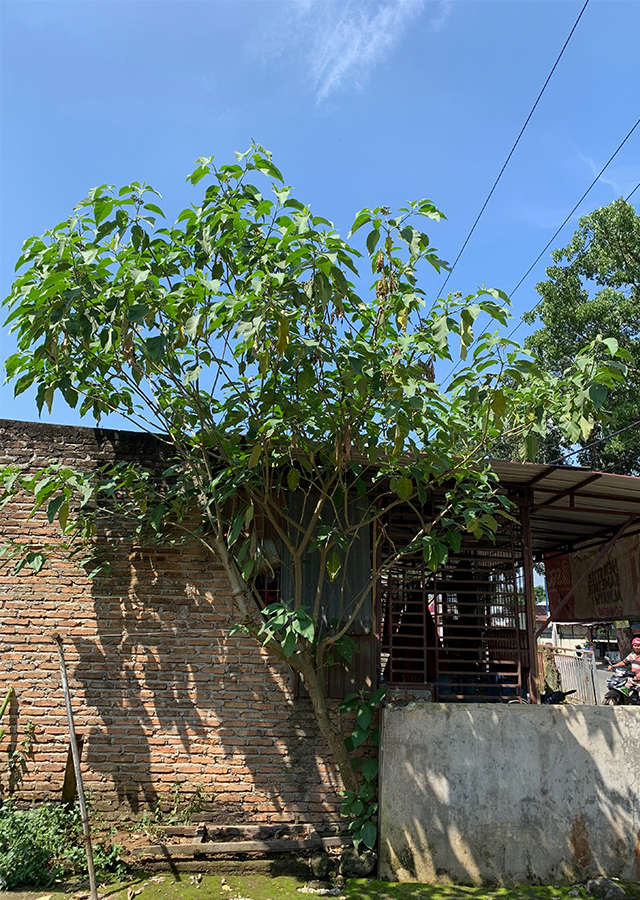
Lancing (Solanum donianum) is a shrub up to 6 meters tall of the Solanaceae family, native to South America, including Northern Argentina to Uruguay, and now distributed to Africa, Australia, and India. In a number of countries, this plant is often considered a weed because it grows wild easily and multiplies quickly. Nonetheless, lancing is traditionally used to treat internal injuries from accidents and to relieve fever and inflammation.
Agroecology
This plant is easily found around plantations, forests, open land, roadsides, riverbank zones, and waterways. Able to grow in various soil types, but thrives in soil with high water retention. Tolerant of shade.
Morphology
- Stem woody with a round cross-section, monopodial branching, dirty white.
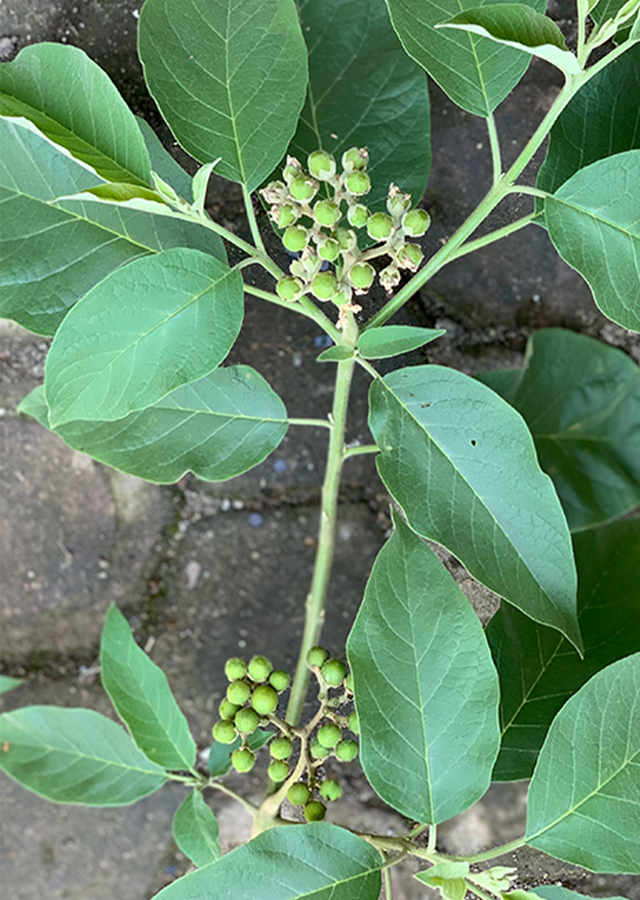
- Leaves simple, oblong, 5-20 cm long, 3-12 cm wide. Underside hairy, pinnate venation with a pointed tip. Base blunt and pale green.
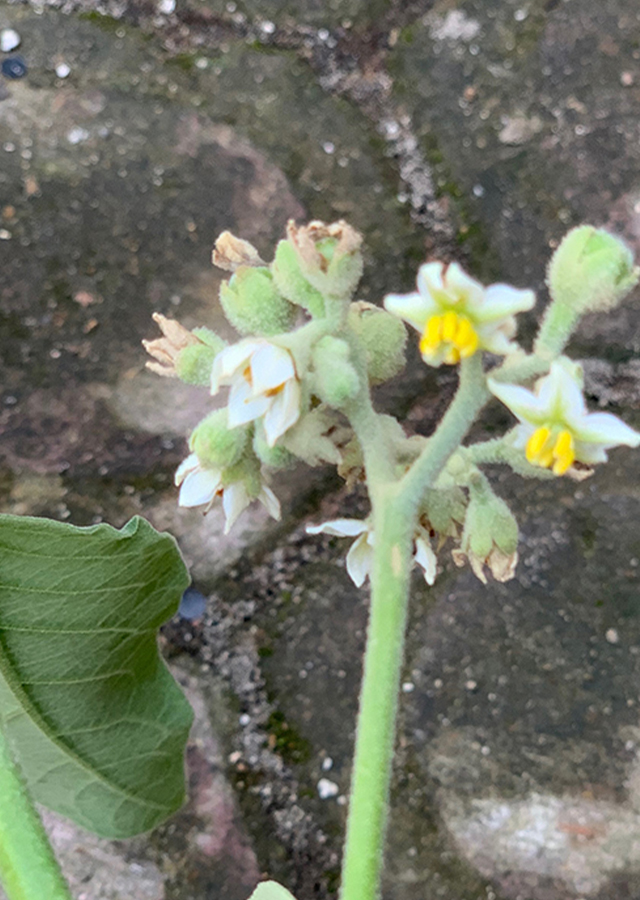
- Flowers compound, cluster-shaped, purple with a yellow center.
- Fruit round and yellow, 8 mm in diameter.
Cultivation
Propagated from seeds dispersed by birds.
Chemical Content
Glycoalkaloid compounds, solasodine, solaurisin, solaurisidin, solasodamine, caulophyllumine-A, ascorbate, quercetin.
Benefits
Treats internal injuries from accidents, sprains; antioxidant, anti-inflammatory, anticancer, antibacterial, antitumor, anticonvulsant, antipyretic, antiulcerogenic, hepatoprotective; treats fever, intestinal inflammation, skin irritation or rash.
Local Names
Terung teter.
Traditional Recipes
The following recipes reflect traditional knowledge passed down through generations, not a substitute for professional medical diagnosis or advice. Consult a healthcare provider before use.
1. Fever
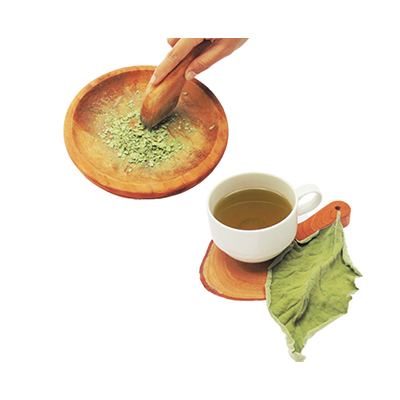
- Take 3 g of dried, powdered lancing leaves.
- Steep in ½ cup of hot water.
- Drink while still warm.
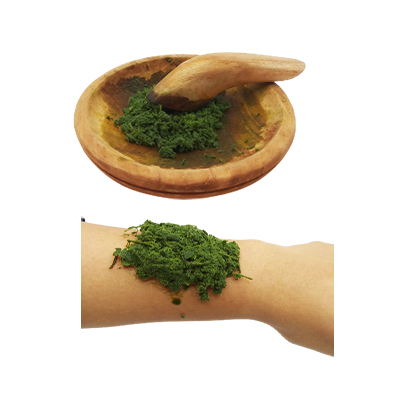
2. Skin Irritation and Rash
- Prepare a sufficient amount of fresh lancing leaves.
- Pound until fine.
- Apply to the irritated or rash-affected skin.