Solanum nigrum L.
Summary
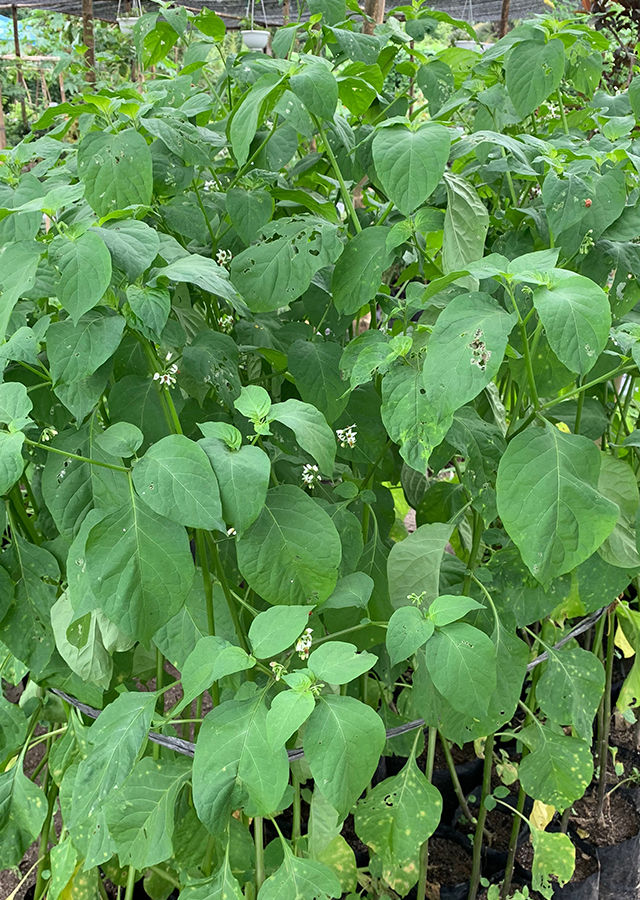
Leunca, or black nightshade (Solanum nigrum), is a small herb or shrub about 1.5 meters tall of the Solanaceae family, native to South America and now widely distributed across Africa, Asia, and Oceania. Its small green fruit is commonly eaten raw as a fresh side dish or mixed into Sundanese dishes. Traditionally, black nightshade is also used to relieve pain, inflammation, and urinary tract infections.
Agroecology
Generally easy to grow in highlands or lowlands. Favors a wet climate, full sun, and can be planted in any soil type with a soil pH of 6-6.5. This plant is sensitive to drought.
Morphology
- Roots taproot, brownish-white.
- Stem erect, and green.
- Leaves simple, green, oblong, 5-7.5 cm long. Pinnate venation, pointed tip and base, smooth margins.
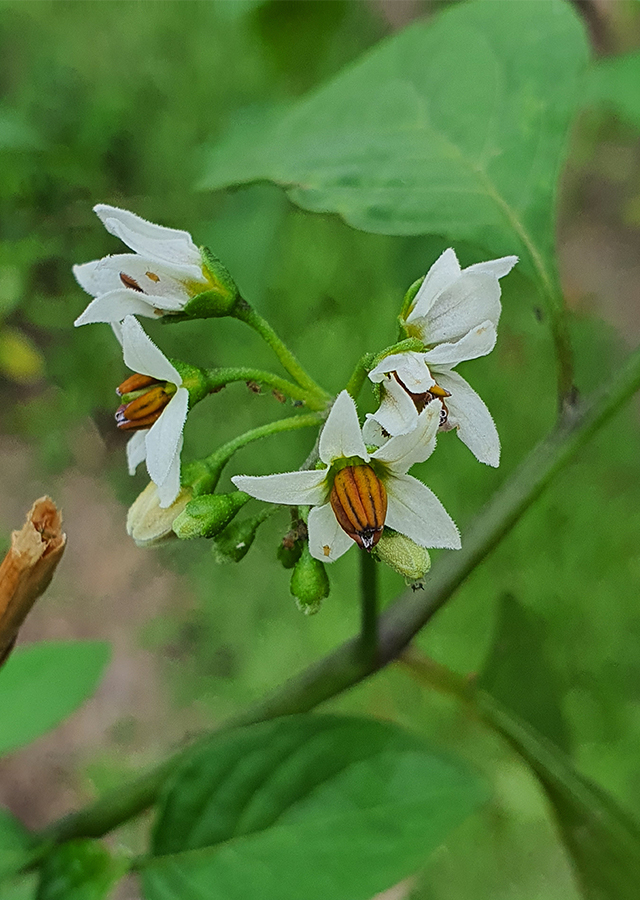
- Flowers compound, white, small corolla. Flower stalk pale green and hairy.
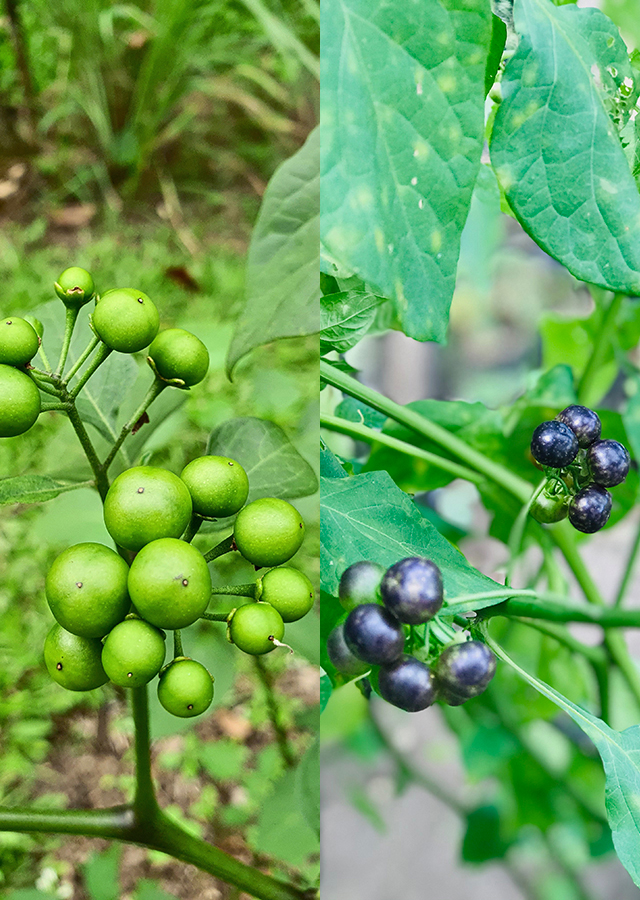
- Fruit round, green when young, glossy black when mature, with many seeds.
- Seeds round and flat, small, white to dark brown.
Cultivation
- Generative propagation (by seed): seeds are sown first. After 4-6 weeks old, transplant the seedlings to the field (garden). Planting spacing of 40 x 40 cm.
- Vegetative propagation (stem cuttings) by cutting a 20 cm stem section and planting in a growing medium.
Chemical Content
Saponins, tannins, alkaloids (solasodine, solasonine, solamargine), flavonoids, steroids, glycosides, phytosterols, benzoisovanillin, syringic acid.
Benefits
Relieves pain and inflammation; acts as an anthelmintic; addresses urinary tract infections; lowers high blood pressure; has antiseptic, antidysenteric, antipyretic, and anticancer activity.
Simplisia
- Pick black nightshade fruit that is still green, then sort out debris or other unwanted material.
- Wash with clean water, then sun-dry for 1 day.
- Finely slice. Once sliced, dry the black nightshade fruit in an oven at 30 °C.
- Sort again to remove debris or foreign material other than the intended material.
- Store the dried material in a dry location at room temperature.
Local Names
Ranti (Java), Bobosa (Maluku).
Traditional Recipes
The following recipes reflect traditional knowledge passed down through generations, not a substitute for professional medical diagnosis or advice. Consult a healthcare provider before use.
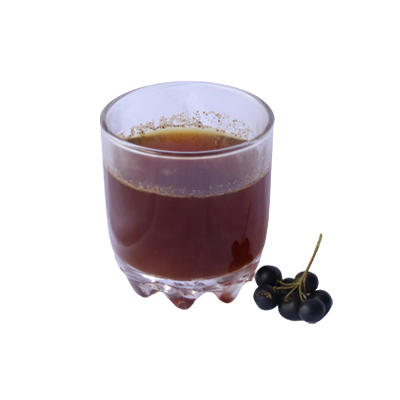
1. High Blood Pressure
- Prepare 8 black nightshade fruits, 20 mulberry leaves, ½ tsp fennel powder, ¾ finger-width of pulosari bark, and 3 finger-widths of palm sugar.
- Clean all the ingredients to be used and place in an enamel pot with 3 cups of clean water. Boil until boiling and reduced to only 2¼ cups. Once cool, strain the mixture and divide into 3 equal portions.
- Drink the mixture 3 times a day, morning, noon, and evening.