Solanum torvum Sw.
Summary
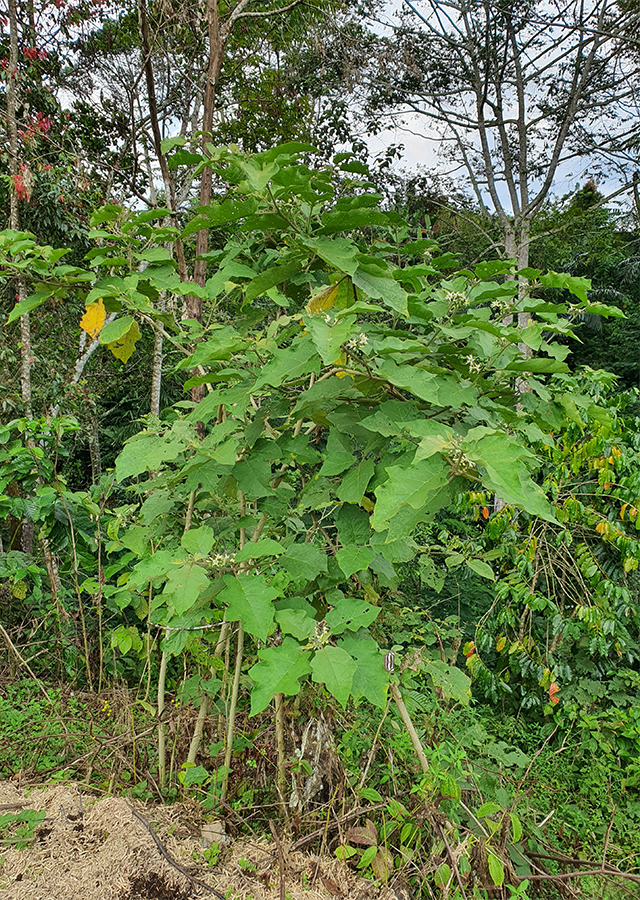
Tekokak (Solanum torvum) is an upright shrub up to 3 meters tall of the Solanaceae family, native to the Antilles islands, now distributed across tropical countries including Indonesia. Its calcium-rich fruit is commonly eaten as a raw side dish or cooked vegetable across the archipelago. Tekokak is traditionally believed to relieve toothache, malaria, and gout.
Agroecology
Grows in lowlands up to 1,600 m above sea level. Prefers places with full sunlight or shaded conditions. Average rainfall 1,000-2,000 mm/year, fertile, moist and well-drained soil, soil pH range 5-6.
Morphology
- Root a taproot, pale yellow in color.
- Stem round woody, branched, hairy and thorny.
- Leaves single, green in color, alternate, ovate-shaped, lobed base, tapering tip, 7-20 cm long, 4-18 cm wide, leaf surface thinly hairy and petiole densely hairy with some thorns.
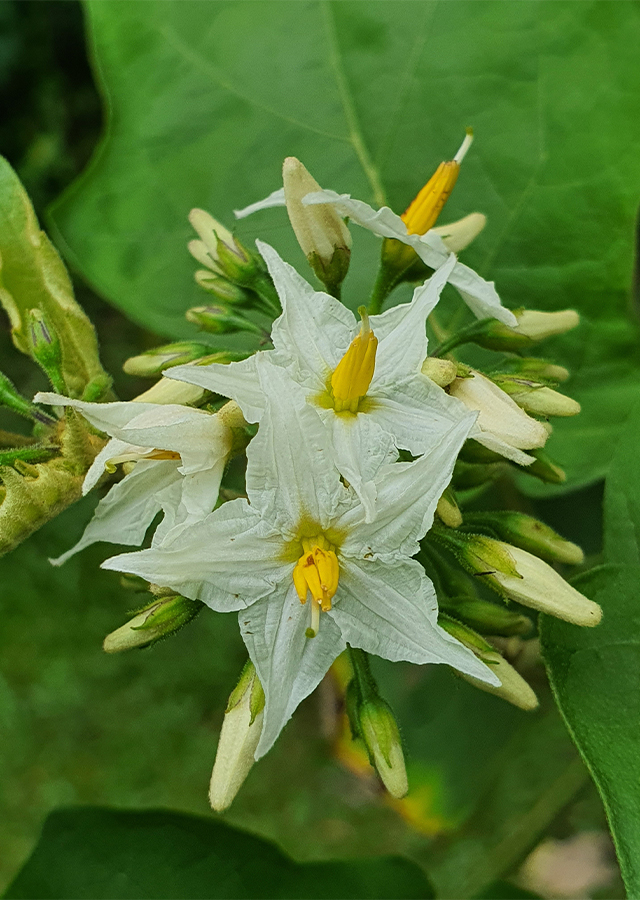
- Flowers compound, star-shaped, green sepals numbering 5, white corolla numbering 5, yellow stamens numbering 5.
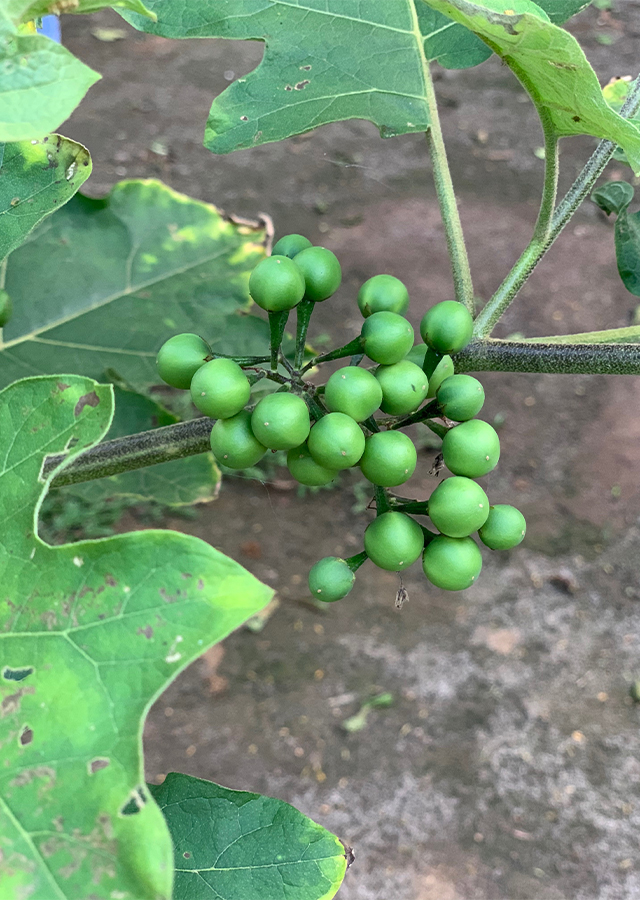
- Fruit a berry, round, young fruit green, mature fruit yellow, smooth.
- Seeds flat, small, smooth, brownish.
Cultivation
- Propagated vegetatively (separating offsets from the root) and generatively (seed).
- Once seedling height reaches 10 cm, transplant to the field with a plant spacing of 70 x 80 cm.
Chemical Content
Leaves: saponin, alkaloid, tannin, flavonoid, neo-chlorogenine, panicolugenin. Raw fruit: chlorogenine, sisalogenone, torvogenin. Dried fruit: solasonin. Root: jurubine.
Benefits
Has antibacterial, sedative, antioxidant, cardiovascular, antiplatelet (blood thinner), antimicrobial, digestive, hemostatic and diuretic (urine promoter) activity, relieves toothache, remedy for malaria, headache, gout, and maintains body fitness.
Simplisia
- Pick and wet-sort tekokak fruit from dirt.
- Wash the tekokak fruit thoroughly with running water, then slice thinly to ease the drying process.
- Dry the fruit in direct sunlight.
- Once dry, store in an airtight package.
Local Names
Rimbang (West Sumatra and Malay), Takokak (West Java), and Terong cepoka (Central Java), Cepokak (North Sumatra).
Traditional Recipes
The following recipes reflect traditional knowledge passed down through generations, not a substitute for professional medical diagnosis or advice. Consult a healthcare provider before use.
1. Gout treatment
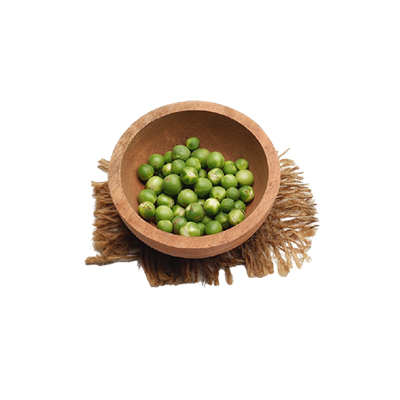
- Clean 5-10 tekokak fruits then consume directly or add to a vegetable dish.
- Can be consumed 5-10 fruits per day.
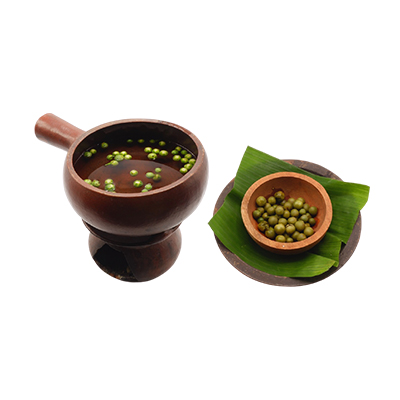
2. Maintaining body fitness
- Prepare 1 handful (about 9 stalks) of fresh tekokak fruit.
- Boil with 2 glasses of clean water until cooked.
- Consume the fruit directly. Best eaten 3 times a day.
Reference Sources
- Fern, K. (2021). Useful Tropical Plants: Solanum torvum. Useful Tropical Plants Database Web. http://tropical.theferns.info/viewtropical.php?id=Solanum+torvum. 12-10-2021
- Plants of the World Online. (2021). Solanum torvum. Kew Royal Botanic Gardens. https://powo.science.kew.org/taxon/urn:lsid:ipni.org:names:821287-1. 12-10-2021
- Kelompok masyarakat Desa Sirnasari. 2008. Tumbuhan Obat Halimun. Yayasan Peduli Konservasi Alam Indonesia. (Ramuan : Menjaga kebugaran tubuh)